

Light for growing seeds question?
20 years ago
Sort by:Oldest
Comments (10)
Related Stories
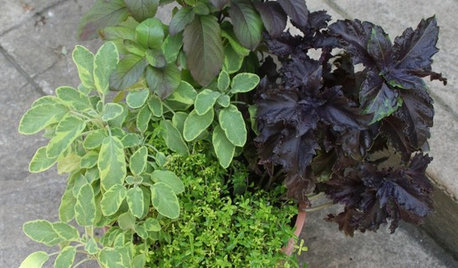
CONTAINER GARDENS8 Easy Container Plants to Grow From Seed
Get beautiful blooms and herbs in summer by starting these choice garden picks from seed in spring
Full Story
GARDENING GUIDESSeeds or Seedlings? How to Get Your Garden Started
Growing delicious herbs and vegetables starts with knowing your goals and when you want to plant
Full Story

MOST POPULARSummer Crops: How to Grow Sunflowers
Savor snack-tastic sunflower seeds once the radiant blooms have faded — if the birds have saved you any, that is
Full Story
GARDENING GUIDESHow to Plant a New Lawn From Seed
Choose from more grass varieties and save money over sod by starting your lawn from seed
Full Story
KITCHEN DESIGN9 Questions to Ask When Planning a Kitchen Pantry
Avoid blunders and get the storage space and layout you need by asking these questions before you begin
Full Story
GARDENING GUIDESNo-Regret Plants: 5 Questions Smart Shoppers Ask
Quit wasting money and time at the garden center. This checklist will ensure that the plants you're eyeing will stick around in your yard
Full Story
EDIBLE GARDENSHow to Grow Your Own Sweet Summer Crops
This guide will help any gardener get started on growing the freshest warm-season veggies and berries for summer
Full Story
EDIBLE GARDENSSummer Crops: How to Grow Tomatoes
Plant tomato seedlings in spring for one of the best tastes of summer, fresh from your backyard
Full Story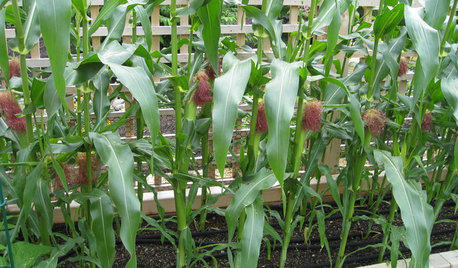
SUMMER FRUITS AND VEGETABLESHow to Grow Your Own Fresh, Sweet Corn
Here's how to plant and care for your own mini cornfield
Full Story
neil_allen
ncageOriginal Author
Related Professionals
Rapid City Landscape Architects & Landscape Designers · Little Rock Landscape Contractors · Middletown Landscape Contractors · Middlesboro Landscape Contractors · Lafayette Landscape Contractors · Jackson Landscape Contractors · Ontario Landscape Contractors · Cape Coral Architects & Building Designers · Chambersburg Architects & Building Designers · Jackson Architects & Building Designers · Davenport Architects & Building Designers · Kankakee Architects & Building Designers · San Jose Architects & Building Designers · North Platte Architects & Building Designers · Ontario Architects & Building Designersneil_allen
ncageOriginal Author
shrubs_n_bulbs
ncageOriginal Author
shrubs_n_bulbs
neil_allen
botanybob
shrubs_n_bulbs