

Safe products for Shrub care?
18 years ago
Sort by:Oldest
Comments (2)
Related Stories
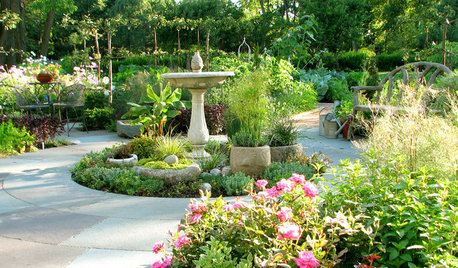
GARDENING GUIDESAfter-Summer Care for a Fabulous Fall Garden
Cleaning out stragglers and taking time to assess will keep your garden thriving all through autumn
Full Story
WOODWORKINGHow to Clean and Care for Your Butcher Block
Keep butcher block counters and boards looking sharp as a knife — and sanitized for safe food prep — with this advice from a pro woodworker
Full Story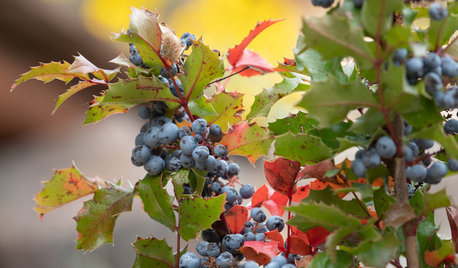
GARDENING GUIDES8 Deer-Resistant Elegant Evergreen Shrubs to Plant This Fall
Who knew that such beautiful shrubs could be deer-resistant?
Full Story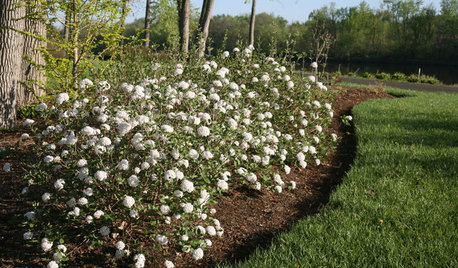
FALL GARDENING9 Deer-Resistant Flowering Shrubs to Plant This Fall
These exquisite shrubs will attract your attention but won’t tempt the deer that roam your neighborhood at night
Full Story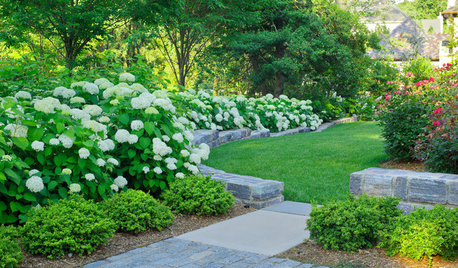
FLOWERS AND PLANTS10 Essential Shrubs for Mid-Atlantic Gardens
Easy-to-grow mid-Atlantic native shrubs celebrate the character of the region
Full Story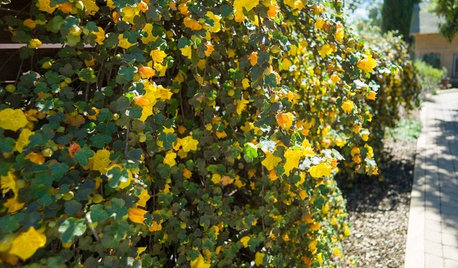
GARDENING GUIDESTidy Up Sprawling Native Shrubs With These Pruning Tips
Sound horticultural pruning methods work for native and nonnative plants alike
Full Story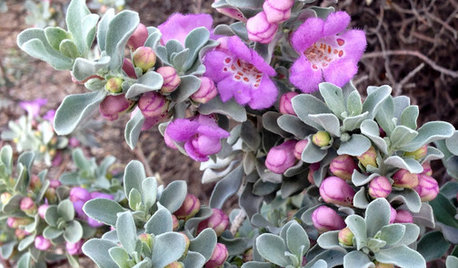
GARDENING GUIDES10 Essential Native Shrubs for Southwestern Gardens
Look no further than these Southwestern beauties for a colorful, low-maintenance landscape
Full Story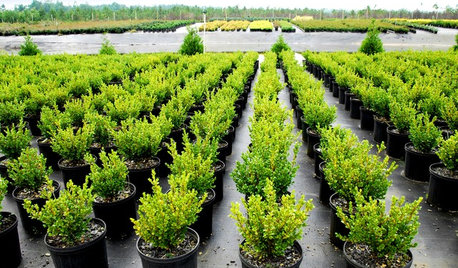
TREESHow to Buy Healthy Trees and Shrubs
A healthy young plant with a strong form is more likely to do well in your yard. Here’s what to look for at the nursery
Full Story
HOME TECHTo Feed and Protect: Care for Your Pet From Afar With New Devices
You might miss the nuzzles, but your dog or cat won't miss food, water or monitoring with these high-tech feeders and cameras
Full Story
KITCHEN DESIGNKitchen Counters: Stunning, Easy-Care Engineered Quartz
There's a lot to like about this durable blend of quartz and resin for kitchen countertops, and the downsides are minimal
Full Story
Sponsored
More Discussions
Embothrium
gardengal48 (PNW Z8/9)
Related Professionals
Webster Landscape Architects & Landscape Designers · Omaha Landscape Architects & Landscape Designers · Salisbury Landscape Contractors · Cape Girardeau Landscape Contractors · Philadelphia Landscape Contractors · Brooklyn Landscape Contractors · Temecula Landscape Contractors · Fredericksburg Home Builders · New Bedford Home Builders · Kalamazoo Home Builders · Twin Falls Home Builders · Minot Home Builders · Rapid City Home Builders · Cheyenne Home Builders · Cowansville Home Builders