

Inkberry 'Glabra' question
19 years ago
Sort by:Oldest
Comments (10)
Related Stories
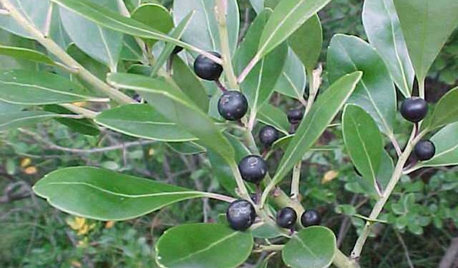
FLOWERS AND PLANTSEasterners: Consider This Native Alternative to Boxwood
Inkberry, or Ilex glabra, excels as a foundation plant or formal hedge perfectly suited to the East Coast
Full Story
FLOWERS AND PLANTS10 Essential Shrubs for Mid-Atlantic Gardens
Easy-to-grow mid-Atlantic native shrubs celebrate the character of the region
Full Story
LANDSCAPE DESIGNBoxwood Alternatives Bring the Chelsea Flower Show to You
Don’t let box blight limit your plans to borrow garden design ideas from the renowned British event
Full Story
GARDENING GUIDESGreat Design Plant: Foamflower Cushions Shady Garden Areas
Try evergreen ground cover Tiarella cordifolia for a soft look all year — one the rabbits and deer won’t mess with
Full Story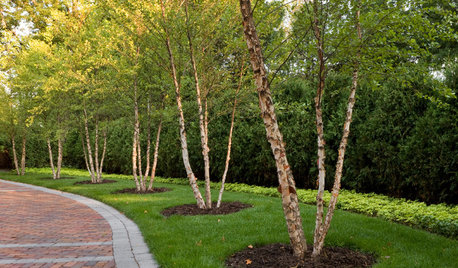
LANDSCAPE DESIGNGreat Design Plant: River Birch
Pick this rugged native tree for its intriguing peeling bark, soil adaptability or leaves that bring dappled shade to a garden
Full Story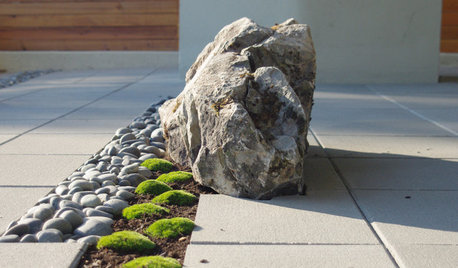
LANDSCAPE DESIGNDare to Mix Things Up in the Landscape
Courageously contrast plantings, materials and structures in your garden to create unexpected beauty and intrigue
Full Story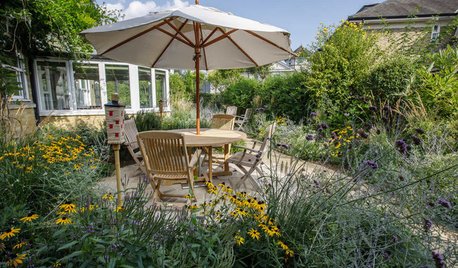
LANDSCAPE DESIGN4 Tips for Creating a Small Garden That Welcomes Wildlife
Win over birds, bees, butterflies and neighbors with these design strategies
Full Story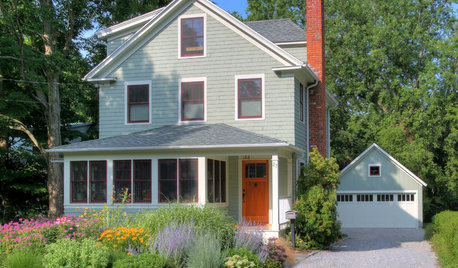
GREAT HOME PROJECTSUpgrade Your Front Yard for Curb Appeal and More
New project for a new year: Revamp lackluster landscaping for resale value, water savings and everyday enjoyment
Full Story
LANDSCAPE DESIGNThe Weepers and the Creepers: 10 Intriguing Trees for Your Garden
Bring something a little different to your landscape with a tree that dives, twists or crawls
Full Story
LANDSCAPE DESIGNFlood-Tolerant Native Trees for Soggy Soil
Swampy sites, floodplains, even standing water ... if you've got a soggy landscape, these trees are for you
Full Story
ginny12
bogturtle
Related Professionals
Tampa Landscape Architects & Landscape Designers · Joplin Landscape Architects & Landscape Designers · Williamsburg Landscape Architects & Landscape Designers · Jamestown Landscape Architects & Landscape Designers · Kalispell Landscape Architects & Landscape Designers · Cornwall Landscape Architects & Landscape Designers · Selma Landscape Contractors · Minneapolis Landscape Contractors · Scranton Landscape Contractors · Charlottesville Home Builders · Burlington Home Builders · Ottumwa Home Builders · Gloucester Home Builders · Saginaw Home Builders · Saint George Home Buildersbogie
ginny12
winged_mammal
Mike Larkin
rosie
ginny12
bogie
Embothrium