

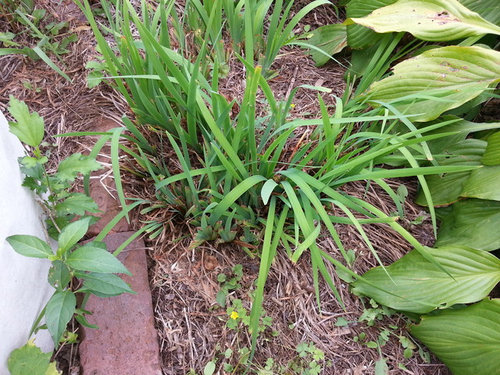
Grassy Plant Indentification
12 years ago
Sort by:Oldest
Comments (17)
Related Stories
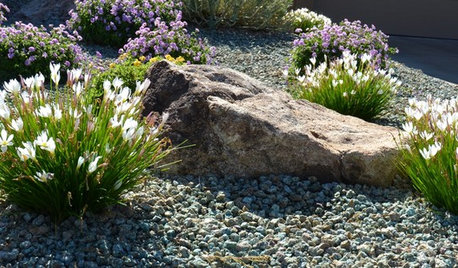
GARDENING GUIDESGreat Design Plant: Showers Bring Zephyranthes Flowers
Plant zephyrlily bulbs now for lovely blooms amid grassy foliage in summer and fall
Full Story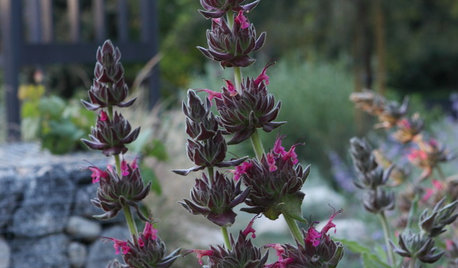
FLOWERS AND PLANTSHummingbird Sage Lures Wildlife With Its Sweet, Fruity Fragrance
This native California ground cover thrives with little water on grassy slopes, under trees or in patio containers
Full Story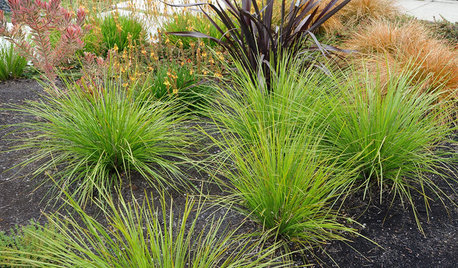
GRASSESVersatile Breeze Mat Rush Sails Into Drought-Tolerant Yards
Grassy Lomandra longifolia thrives year-round in shady and sunny gardens, in containers and in the ground
Full Story
GARDENING GUIDESGreat Design Plant: Vernonia Noveboracensis
Stately New York ironweed attracts pollinators with its blooms at the end of summer and birds with its seeds in fall
Full Story
PLANTING IDEAS8 Sumptuous Shade Garden Plant Combinations
Enjoy these plant combinations made for spots with varying levels of shade and different garden zones
Full Story
GARDENING GUIDESGreat Design Plant: Carex Sprengelii
Fit for nearly any site, Sprengel’s sedge makes for a low-care, healthy garden
Full Story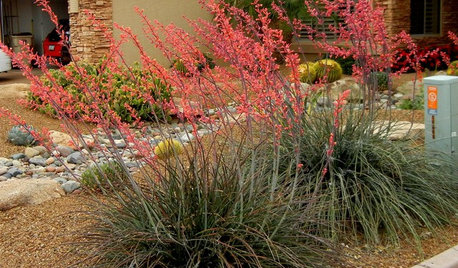
GARDENING FOR BUTTERFLIESGreat Design Plant: Red Yucca Spikes Dry Spots With Color
Neither heat nor cold nor lack of water fazes this flowering succulent, which adds spiky texture to Southwestern landscapes
Full Story
GARDENING GUIDESGreat Design Plant: Eriogonum Arborescens
Plant Santa Cruz Island buckwheat for its striking ornamental appeal. It also provides important wildlife habitat
Full Story
LANDSCAPE DESIGNTake Your Garden on a Rural Route With Plant-Dominant Designs
Let plants take center stage for a garden that recalls idyllic pastures fashioned by nature's hand
Full Story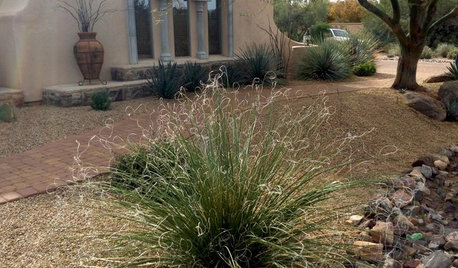
GARDENING GUIDESGreat Design Plant: Nolina Microcarpa
Grass-like beargrass with its curlicue tips adds lovely texture to drought-tolerant Southwest gardens
Full Story
Tiffany, purpleinopp Z8b Opp, AL
dbarron
Related Professionals
Pensacola Landscape Architects & Landscape Designers · Cumberland Landscape Architects & Landscape Designers · Newport Landscape Architects & Landscape Designers · Hudson Landscape Architects & Landscape Designers · Odessa Landscape Architects & Landscape Designers · Rapid City Landscape Architects & Landscape Designers · Florence Landscape Contractors · Daytona Beach Landscape Contractors · Hopkinsville Landscape Contractors · Peoria Landscape Contractors · Nashua Landscape Contractors · Florence Stone, Pavers & Concrete · North Adams Stone, Pavers & Concrete · Springfield Stone, Pavers & Concrete · Everett Stone, Pavers & Concretemissingtheobvious
thedecoguy
Tiffany, purpleinopp Z8b Opp, AL
babcia
echozone5b
missingtheobvious
echozone5b
echozone5b
vtr4evr
gardengal48 (PNW Z8/9)
missingtheobvious
lisanti07028
eibren
missingtheobvious
rina_Ontario,Canada 5a