

Help me with my soil analysis please
17 years ago

Sort by:Oldest
Comments (2)
Related Stories

GARDENING GUIDESHow to Pick a Mulch — and Why Your Soil Wants It
There's more to topdressing than shredded wood. Learn about mulch types, costs and design considerations here
Full Story
GARDENING GUIDESHow to Stop Worrying and Start Loving Clay Soil
Clay has many more benefits than you might imagine
Full Story
GARDENING GUIDESHouzz TV: Make a Worm Bin for Rich Soil and Happy Plants
A worm-powered compost bin that can fit under a sink turns food scraps into a powerful amendment for your garden. Here’s how to make one
Full Story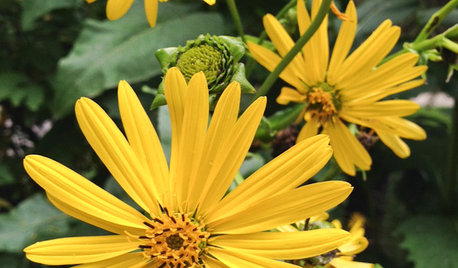
GARDENING GUIDESGreat Design Plant: Silphium Perfoliatum Pleases Wildlife
Cup plant provides structure, cover, food and water to help attract and sustain wildlife in the eastern North American garden
Full Story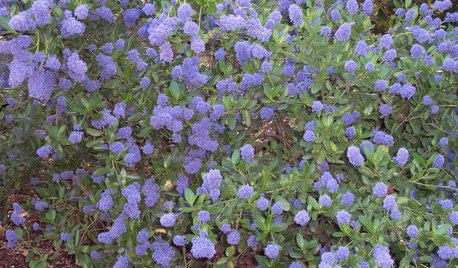
GARDENING GUIDESGreat Design Plant: Ceanothus Pleases With Nectar and Fragrant Blooms
West Coast natives: The blue flowers of drought-tolerant ceanothus draw the eye and help support local wildlife too
Full Story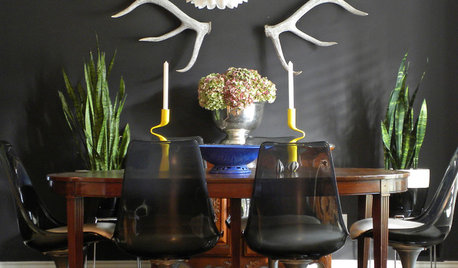
HOUSEPLANTSMother-in-Law's Tongue: Surprisingly Easy to Please
This low-maintenance, high-impact houseplant, also known as snake plant, fits in with any design
Full Story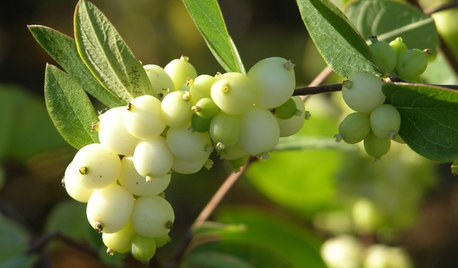
GARDENING GUIDESGreat Design Plant: Snowberry Pleases Year-Round
Bright spring foliage, pretty summer flowers, white berries in winter ... Symphoricarpos albus is a sight to behold in every season
Full Story
DECORATING GUIDESPlease Touch: Texture Makes Rooms Spring to Life
Great design stimulates all the senses, including touch. Check out these great uses of texture, then let your fingers do the walking
Full Story
GARDENING GUIDESPathway Plantings That Please the Senses
Add some color, life and intrigue beside your sidewalk with these 7 suggestions
Full Story

val_s
macthayer
Related Professionals
Miami Landscape Architects & Landscape Designers · Buffalo Landscape Architects & Landscape Designers · Sheboygan Landscape Architects & Landscape Designers · Amarillo Landscape Architects & Landscape Designers · Fort Smith Landscape Contractors · Greenville Landscape Contractors · Marietta Landscape Contractors · Grand Forks Landscape Contractors · Medford Landscape Contractors · Salt Lake City Landscape Contractors · Seattle Landscape Contractors · New Braunfels Stone, Pavers & Concrete · Newburyport Stone, Pavers & Concrete · Portland Stone, Pavers & Concrete · Twin Falls Stone, Pavers & Concrete