

Suggestions for plants
19 years ago
Sort by:Oldest
Comments (6)
Related Stories
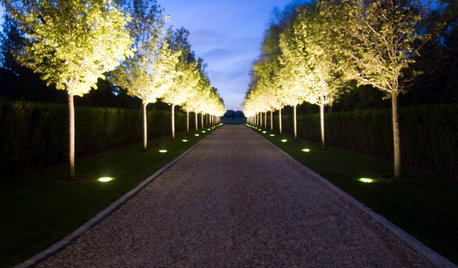
LANDSCAPE DESIGN6 Suggestions for Harmonious Hardscaping
Help a sidewalk, driveway or path flow with your garden design, for a cohesive and pleasing look
Full Story
GREEN BUILDINGEfficient Architecture Suggests a New Future for Design
Homes that pay attention to efficient construction, square footage and finishes are paving the way for fresh aesthetic potential
Full Story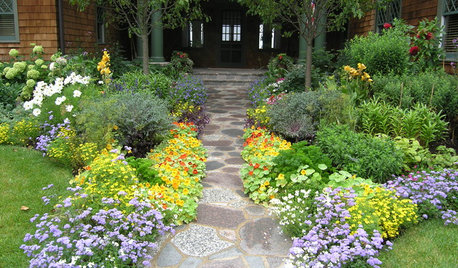
GARDENING GUIDESPathway Plantings That Please the Senses
Add some color, life and intrigue beside your sidewalk with these 7 suggestions
Full Story
GARDENING GUIDESGreat Design Plant: Rhus Glabra
Smooth sumac provides powerful jolts of fall color and persistent fruit clusters that add interest through the winter
Full Story
GROUND COVERSNative Alternatives to English Ivy, Japanese Pachysandra and Periwinkle
These shade-loving ground covers are good for the environment and say something about where you are
Full Story
GARDENING GUIDESGreat Design Plant: Spotted Beebalm (Monarda punctata)
Looking for unusual, long-lasting blooms, low maintenance and deer resistance? Try this self-sowing perennial
Full Story
GARDENING GUIDESGreat Design Plant: Cephalanthus Occidentalis
Buttonbush is an adaptable woody shrub with delightful pincushion flowers
Full Story
FLOWERSRudbeckia Mania: Go Beyond Black-Eyed Susan in the Garden
Branch out from typical nursery fare, with lesser-known Rudbeckia species that have delightfully unexpected features
Full Story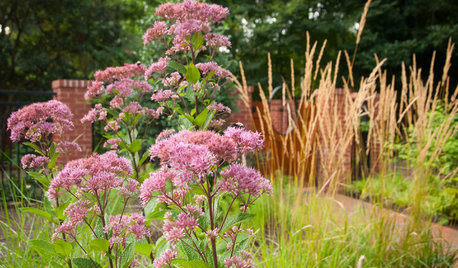
GARDENING GUIDESGreat Design Plant: Eutrochium Maculatum
Sculptural, slightly tropical looking and a boon to wildlife, Spotted Joe Pye Weed is a gotta-have plant in many parts of the U.S.
Full Story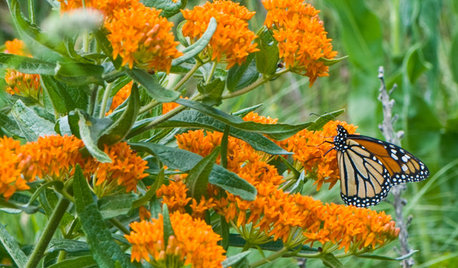
GARDENING GUIDESGreat Design Plant: Butterfly Milkweed, a Beacon in the Prairie
Vivacious orange flowers for you, nectar for the butterflies and bees. Asclepias tuberosa is worth planting for more reasons than one
Full Story
fairlady
pikecoe
Related Professionals
Grand Rapids Landscape Architects & Landscape Designers · San Bernardino Landscape Architects & Landscape Designers · Kissimmee Landscape Contractors · Mount Vernon Landscape Contractors · Vineland Landscape Contractors · Portsmouth Landscape Contractors · Torrington Landscape Contractors · Bloomington Landscape Contractors · Brooklyn Landscape Contractors · Gaithersburg Design-Build Firms · Anniston Design-Build Firms · New Haven Design-Build Firms · Canton Design-Build Firms · Williamsport Design-Build Firms · Tucson Design-Build Firmsyoureit
kalevi
brichards
jalal