

Lasagna over ivy?
19 years ago
Sort by:Oldest
Comments (8)
Related Stories
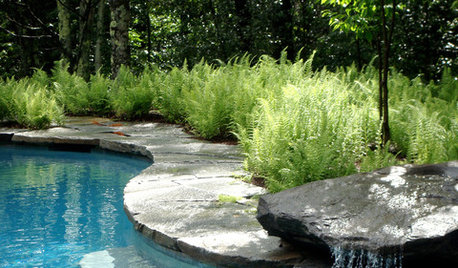
GROUND COVERSNative Alternatives to English Ivy, Japanese Pachysandra and Periwinkle
These shade-loving ground covers are good for the environment and say something about where you are
Full Story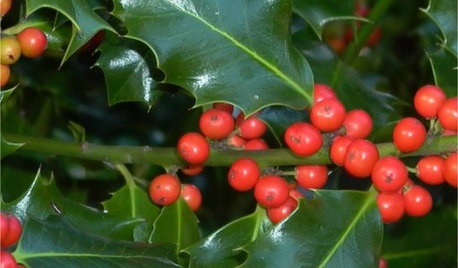
GARDENING GUIDES9 Holly and Ivy Plants for Good Tidings in the Garden
Spread Christmas joy all year round with the gorgeous foliage and bright berries of these evergreen plants
Full Story
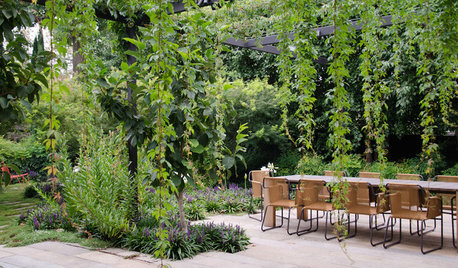
LANDSCAPE DESIGNGarden Designer Chooses the Timeless Over the Trendy
This lush and restful garden provides a place for a family to retreat from their busy lives
Full StoryLANDSCAPE DESIGNSee 5 Unexpected Ways to Use Vines
Vines can grow over slopes, trail off pergolas and add seasonal color to the garden
Full Story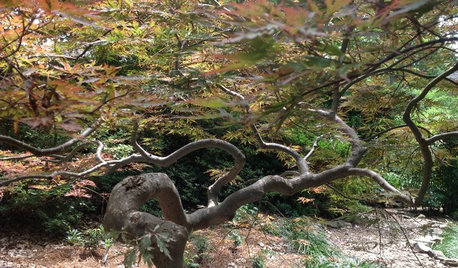
FALL GARDENINGA Garden With a Love Story
Over 23 years, a North Carolina couple has created an inviting, magical garden that harmonizes with its woodland setting
Full Story
HOUSEKEEPING20 Things You Might Be Forgetting to Spring-Clean
Clean these often-neglected areas and your house will look and feel better
Full Story
HOMES AROUND THE WORLDThe Great Escape: Family Rebuilds After a Devastating Wildfire
Tim and Tammy Holmes survived the 2013 Tasmanian bushfires but lost their home. See how they’ve started over
Full Story
VACATION HOMESHouzz Tour: From Fixer-Upper to Family Ski Retreat
Budget-conscious remodeling over 2 years gives a family a comfortable second home in the mountains
Full Story
HOUZZ TOURSMy Houzz: Casual Comfort in a London Victorian
Unfussy furniture and a simple palette give a renovated home for 6 an air of ease
Full Story
bob64
joepyeweed
Related Professionals
Cape Coral Landscape Architects & Landscape Designers · Baton Rouge Landscape Architects & Landscape Designers · Rutland Landscape Architects & Landscape Designers · Vancouver Landscape Architects & Landscape Designers · Cheyenne Landscape Architects & Landscape Designers · Greensboro Landscape Contractors · Fergus Falls Landscape Contractors · Worthington Landscape Contractors · Trenton Landscape Contractors · Cleveland Landscape Contractors · Pittsburgh Landscape Contractors · Murrieta Landscape Contractors · Stockton Landscape Contractors · Elkton Stone, Pavers & Concrete · Danbury Stone, Pavers & ConcretePuraVida
donn_
PuraVida
joepyeweed
gardengal48 (PNW Z8/9)
Kimmsr