

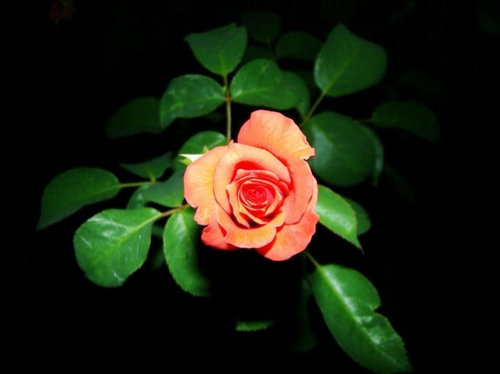
Spots... what do I do?
13 years ago
Sort by:Oldest
Comments (5)
Related Stories
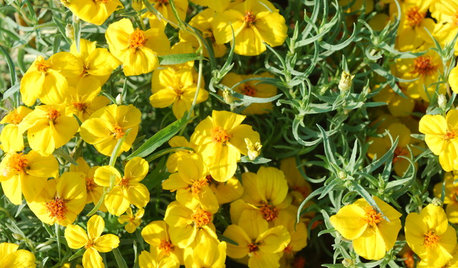
GARDENING GUIDESGreat Design Plant: Rocky Mountain Zinnia Brightens Hot, Dry Spots
Sunshiny flowers provide a showy drift of color in desert and prairie gardens — this native perennial is hardier than it looks
Full Story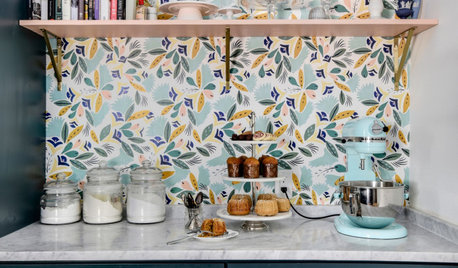
KITCHEN DESIGN12 Items Worth a Spot on Your Kitchen Counter
Keep these useful tools and accessories out in the open to maintain high function without spoiling the view
Full Story
HOUSEKEEPINGTips for Removing Carpet Stains
Know the right solutions and when to use them to handle stains from coffee, pets, chocolate, ink and more
Full Story
TASTEMAKERSTrend Spotting in Milan
Many Italian designs debut during April’s Design Week. Have a look at some in the Brera neighborhood that caught one writer’s eye
Full Story
DECORATING GUIDESCool Wallpaper Spotted: Wait, No It's Fabric!
Woodsy-modern pattern adds whimsy and color to a baby-friendly bathroom
Full Story
LIME FOLIAGE5 Gold Plants to Illuminate Shady Garden Spots
Dark garden corners don't have to mean deep, monochromatic color. Gold plants brighten the landscape with shots of luminosity
Full Story
GARDENING GUIDES6 Native Ground Covers for Tough, Dry Spots
Sun beating down on your sandy gravel? Thick shade darkening your clay soil? There’s a ground cover here for you
Full Story
INSIDE HOUZZInside Houzz: Check Out Our ‘From Dream to Home’ TV Spots
Get a first look at Houzz’s new TV ads, which highlight the power of inspiration and endless possibilities
Full Story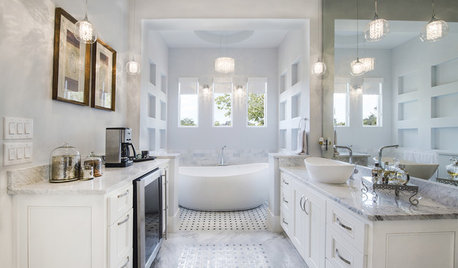
BATHROOM DESIGNSpotted: Refrigerators in the Bathroom
You read that right. Before you protest, here are seven good reasons why people are chilling in the bath
Full Story


jerijen
hoovb zone 9 sunset 23
Related Professionals
Little Rock Landscape Architects & Landscape Designers · San Antonio Landscape Architects & Landscape Designers · Charlottesville Landscape Architects & Landscape Designers · Bloomington Landscape Architects & Landscape Designers · Spokane Landscape Architects & Landscape Designers · Lake Charles Landscape Contractors · Portsmouth Landscape Contractors · Chillicothe Landscape Contractors · Beatrice Landscape Contractors · Kenosha Landscape Contractors · Santa Maria Landscape Contractors · Bozeman Landscape Contractors · Philadelphia Home Builders · Hempstead Home Builders · Rochester Home Buildersmissleslie77Original Author
kittymoonbeam
michaelg