

Analyze my Analysis
17 years ago
Sort by:Oldest
Comments (6)
Related Stories
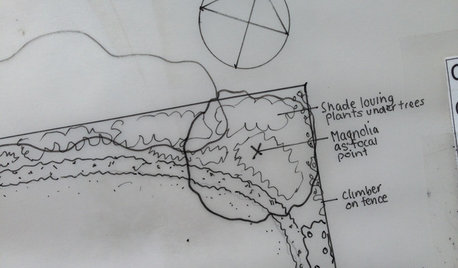
LANDSCAPE DESIGNDesign Workshop: How to Analyze Your Outdoor Site
Getting to know your site is the first step to creating a wonderful garden. Follow this 10-point checklist to get it right
Full Story
LANDSCAPE DESIGNStrike a Balance: Stuff vs. Space in the Garden
Zoom out to the big design picture before focusing on the little details, to create a garden with all the elements in balance
Full Story
LIFE10 Ways to Boost Creativity by Doing Less
You heard right. Sometimes the best way to refill your creative well is by taking a step back
Full Story
MOVINGMaking a Home Away From Home
Feeling like a stranger in a strange land? These tips can help ease the transition after a big move
Full Story
ARCHITECTUREModern or Contemporary Architecture? The Interiors Edition
See how one expert distinguishes between two popular camps of interior architecture. Do you agree with his choices?
Full Story
INSIDE HOUZZHow Much Does a Remodel Cost, and How Long Does It Take?
The 2016 Houzz & Home survey asked 120,000 Houzzers about their renovation projects. Here’s what they said
Full Story
GARDENING GUIDESHow to Fix Bare and Yellow Lawn Spots
Restore your turf’s good looks by reseeding unsightly patches
Full Story
GREEN BUILDING6 Green-Roof Myths, Busted
Leaky, costly, a pain to maintain ... nope, nope and nope. Get the truth about living roofs and see examples from simple to elaborate
Full Story
REMODELING GUIDESHouse Planning: When You Want to Open Up a Space
With a pro's help, you may be able remove a load-bearing wall to turn two small rooms into one bigger one
Full Story
COLORSpeed-Dial Color Selection to Get the Best Result
You’ve belabored your color decisions and are still stuck. Here is how to evaluate your space and make choices that are right for you
Full Story
User
bpgreen
Related Professionals
Evansville Landscape Architects & Landscape Designers · Kalispell Landscape Architects & Landscape Designers · Lake Charles Landscape Contractors · Ottumwa Landscape Contractors · Brattleboro Landscape Contractors · Wausau Landscape Contractors · Las Cruces Landscape Contractors · Cherry Hill Stone, Pavers & Concrete · Spartanburg Stone, Pavers & Concrete · Gloucester Stone, Pavers & Concrete · Keene Stone, Pavers & Concrete · Bridgeport Stone, Pavers & Concrete · Santa Maria Stone, Pavers & Concrete · Victorville Stone, Pavers & Concrete · Provo Stone, Pavers & ConcreteMichael
greenwood85Original Author
bpgreen
Kimmsr