

A loam soil
16 years ago
Sort by:Oldest
Comments (3)
Related Stories

GARDENING GUIDESGardening Solutions for Heavy Clay Soils
What’s a gardener to do with soil that’s easily compacted and has poor drainage? Find out here
Full Story
GARDENING GUIDESGet the Dirt on Your Garden’s Soil
Understand how your soil supports your plants so you can ensure your garden’s success
Full Story
GARDENING GUIDESHow to Stop Worrying and Start Loving Clay Soil
Clay has many more benefits than you might imagine
Full Story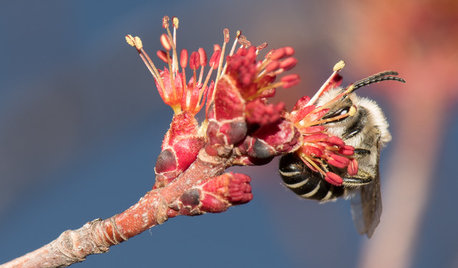
GARDENING GUIDESInvite Cellophane Bees to Your Garden by Providing Patches of Bare Soil
Look for cellophane bees (Colletes) pollinating flowering trees and shrubs in U.S. gardens this spring
Full Story
GARDENING GUIDESGarden Myths to Debunk as You Dig This Fall and Rest Over Winter
Termites hate wood mulch, don’t amend soil for trees, avoid gravel in planters — and more nuggets of garden wisdom
Full Story
GARDENING GUIDESGreat Design Plant: Little Bluestem Goes Above and Beyond
It thrives in poor soil and provides food and shelter for wildlife. Plus, Schizachyrium scoparium is just a darn pretty native grass
Full Story
GARDENING GUIDESNew Ways to Think About All That Mulch in the Garden
Before you go making a mountain out of a mulch hill, learn the facts about what your plants and soil really want
Full Story
GARDENING GUIDESThe Simple Secret to Gardening Success
Learn the kinds of soil and a DIY type test to make sure you’re putting the right plant in the right place
Full Story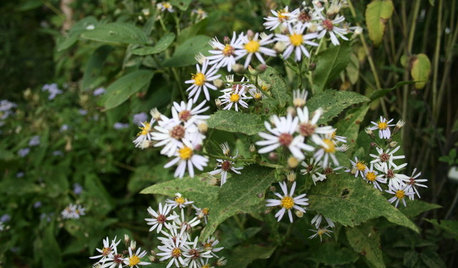
GARDENING GUIDES6 Native Ground Covers for Tough, Dry Spots
Sun beating down on your sandy gravel? Thick shade darkening your clay soil? There’s a ground cover here for you
Full Story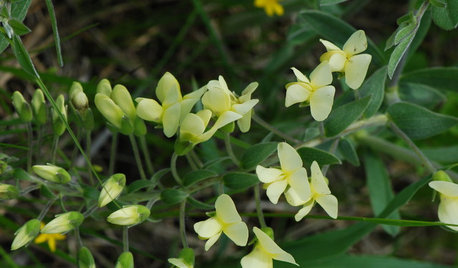
FLOWERS AND PLANTSPlant Baptisia Bracteata for Blooms Pollinators Will Love
Longbract wild indigo is great in dry soil, and its spring flowers attract butterflies and bumblebees
Full Story
sollosOriginal Author
Kimmsr
Related Professionals
Pine Bluff Landscape Architects & Landscape Designers · Harrisonburg Landscape Architects & Landscape Designers · Eau Claire Landscape Architects & Landscape Designers · San Francisco Landscape Architects & Landscape Designers · Sanford Landscape Architects & Landscape Designers · Wilmington Landscape Contractors · Cincinnati Landscape Contractors · Tulsa Landscape Contractors · Torrington Landscape Contractors · Madison Stone, Pavers & Concrete · Asheville Stone, Pavers & Concrete · Toms River Stone, Pavers & Concrete · Edison Stone, Pavers & Concrete · New York City Stone, Pavers & Concrete · Altoona Stone, Pavers & Concretegardengal48 (PNW Z8/9)