

Lady Beetle Babies
16 years ago
Sort by:Oldest
Comments (7)

Related Stories

HOUZZ TVHouzz TV: A Famed ‘Painted Lady’ Gets a Gorgeous Update
Join us as we walk with the homeowners through one of San Francisco's landmark Victorians, lovingly restored
Full Story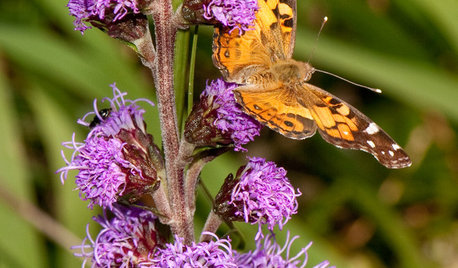
GARDENING GUIDESAmerican Lady Butterflies Add Delight to Summer Gardens
Provide native nectar and larval host plants to welcome these migratory butterflies
Full Story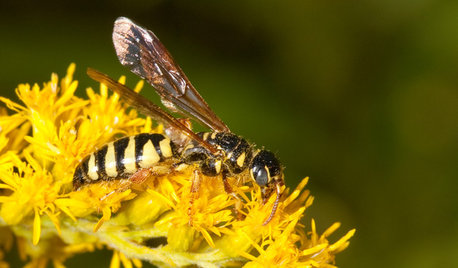
GARDENING GUIDESAttract Thynnid Wasps With Summer-Flowering Native Plants
These beneficial insects will hunt damaging beetle grubs in your lawn
Full Story
GARDENING GUIDESGreat Design Plant: Athyrium Filix-Femina
If you need a well-mannered plant that shines in the shade, lady fern is for you
Full Story
MORE ROOMSGreat Ideas for Girls' Nurseries
Form Meets Function in These Rooms for Little Ladies
Full Story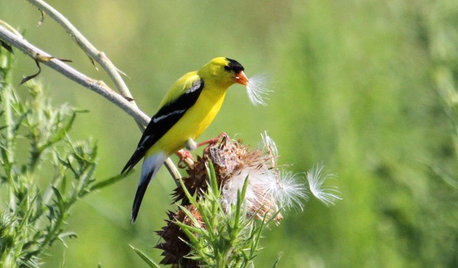
GARDENING FOR BIRDSWild Birds Transform a Woman’s Garden and Life
How Sharon Sorenson created a wildlife haven and became the Bird Lady of Southern Indiana
Full Story
PRODUCT PICKSGuest Picks: Bright Lights, Big Circus
Red and white stripes, a menagerie of animals and a tattooed lady bring big-top style to a nursery or a child's room
Full Story0
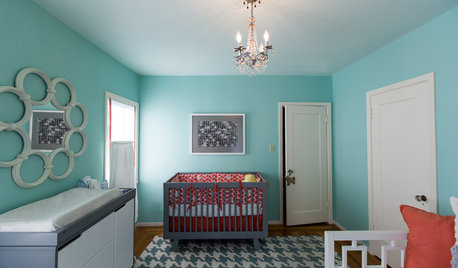
BEFORE AND AFTERSDouble-Duty Function and Singular Style for a California Nursery
Modern and bright, this thoughtfully designed baby's room is ready to welcome a newborn girl and overnight guests
Full Story
FEEL-GOOD HOMESimple Pleasures: Scent and Memory
Fragrant jasmine, fresh-brewed coffee, baking bread. Scents can evoke memories and bring sensory pleasure to our homes
Full Story
GARDENING GUIDES6 Plants That Beat Butterfly Bush for the Wildlife Draw
It's invasive, a nonnative and a poor insect magnet. Check out these better alternatives to butterfly bush in the garden
Full Story
buford
jerijen
Related Professionals
Florence Landscape Architects & Landscape Designers · Springfield Landscape Architects & Landscape Designers · Aurora Landscape Architects & Landscape Designers · Vineland Landscape Contractors · Victoria Landscape Contractors · Elgin Landscape Contractors · Temecula Landscape Contractors · Kalispell Landscape Contractors · Montgomery Home Builders · Jacksonville Home Builders · Williamsburg Home Builders · Auburn Home Builders · Omaha Home Builders · Nashua Home Builders · Salt Lake City Home Buildersyork_rose
melissa_thefarm
lark86
michaelg
organic_tosca