

Compacted soil
16 years ago
Sort by:Oldest
Comments (7)
Related Stories

GARDENING GUIDESGardening Solutions for Heavy Clay Soils
What’s a gardener to do with soil that’s easily compacted and has poor drainage? Find out here
Full Story
GARDENING GUIDES10 Solutions for Soggy Soil
If a too-wet garden is raining on your parade, try these water-loving plants and other ideas for handling all of that H2O
Full Story
GARDENING GUIDESHow to Pick a Mulch — and Why Your Soil Wants It
There's more to topdressing than shredded wood. Learn about mulch types, costs and design considerations here
Full Story
GARDENING GUIDESHow to Stop Worrying and Start Loving Clay Soil
Clay has many more benefits than you might imagine
Full Story
GARDENING GUIDESGet the Dirt on Your Garden’s Soil
Understand how your soil supports your plants so you can ensure your garden’s success
Full Story
CONTAINER GARDENSContainer Gardening Basics: The Dirt on Soil
Learn the types of potting soil available and the best mixes to help your containers thrive
Full Story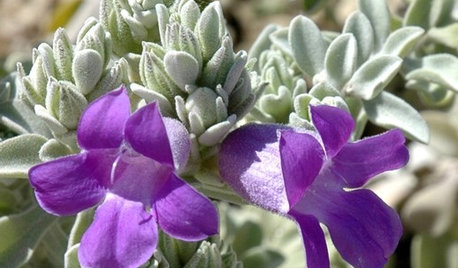
GARDENING GUIDESGreat Design Plant: Try Blue Bells for Blooms in Dry Soil
This shrub’s violet-blue flowers and silvery foliage brighten low-water gardens all year long
Full Story
LANDSCAPE DESIGN10 Compact Decks, Patios and Porches for Making Memories
From Florida to Hawaii, Houzz readers show us how they capitalize on their petite outdoor spaces
Full Story
GARDENING GUIDESGarden Myths to Debunk as You Dig This Fall and Rest Over Winter
Termites hate wood mulch, don’t amend soil for trees, avoid gravel in planters — and more nuggets of garden wisdom
Full Story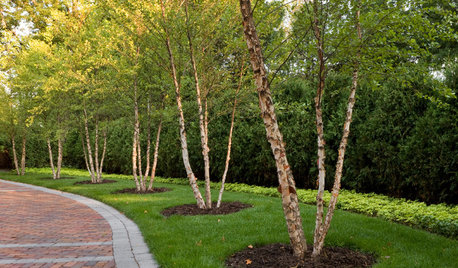
LANDSCAPE DESIGNGreat Design Plant: River Birch
Pick this rugged native tree for its intriguing peeling bark, soil adaptability or leaves that bring dappled shade to a garden
Full Story
jonhughes
organicdan
Related Professionals
Forrest City Landscape Architects & Landscape Designers · Augusta Landscape Architects & Landscape Designers · Lexington Landscape Architects & Landscape Designers · Frisco Landscape Architects & Landscape Designers · Galveston Landscape Architects & Landscape Designers · Las Vegas Landscape Architects & Landscape Designers · Medford Landscape Architects & Landscape Designers · Edmonton Landscape Architects & Landscape Designers · Lagrange Landscape Architects & Landscape Designers · Cape Coral Landscape Contractors · Gaithersburg Landscape Contractors · Texarkana Landscape Contractors · Monroe Landscape Contractors · Detroit Stone, Pavers & Concrete · Cowansville Stone, Pavers & ConcretealabamanicoleOriginal Author
borderbarb
alabamanicoleOriginal Author
jonhughes
Kimmsr