

low-till strawberry bed prep?
18 years ago
Sort by:Oldest
Comments (6)
Related Stories
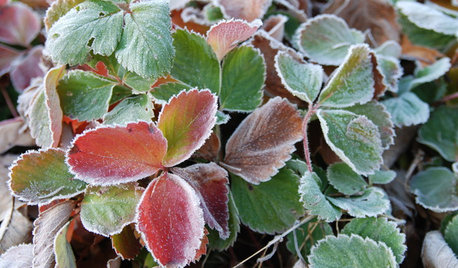
GARDENING GUIDESGreat Design Plant: Strawberries for All Seasons
An edible carpet? It's possible with a mass planting of this tough ground cover
Full Story
LANDSCAPE DESIGNDitch the Ordinary Ditch: Create a Realistic Dry Creek Bed
Here’s how to turn your water runoff system into an eye-catching accent for your landscape
Full Story
FARM YOUR YARD6 Things to Know Before You Start Growing Your Own Food
It takes time and practice, but growing edibles in the suburbs or city is possible with smart prep and patience
Full Story
EARTH DAY5 Ideas for a More Earth-Friendly Garden
Consider increasing the size of garden beds, filtering rainwater and using plants to reduce energy use
Full Story
DECORATING GUIDESHow to Turn Almost Any Space Into a Guest Room
The Hardworking Home: Murphy beds, bunk compartments and more can provide sleeping quarters for visitors in rooms you use every day
Full Story
DECORATING GUIDES11 Ways to Work With a Windowless Room
See how to use French doors, white paint, draperies and more to brighten a space and trick the eye
Full Story
HOUZZ TOURSMy Houzz: Rescue Success for a Historical Rotterdam Home
A neglected three-story apartment becomes a strikingly modern family home with swinging hammocks and clever storage solutions
Full Story
HOUZZ TOURSHouzz Tour: Ocean Views Exhilarate on the Sunshine Coast
Expansive gable windows and French doors offer an uninterrupted vista of the Pacific in this bright British Columbia A-frame
Full Story
GARDENING GUIDES15 Ideas to Try in Your Garden This Year
These gardening stories were tops among Houzz readers. Which ideas might you try this year?
Full Story
GARDENING GUIDESWhat Are Your Spring Gardening Plans?
Tearing out the lawn? Planting edibles? Starting from scratch? Tell us what you plan to change in your garden this year
Full Story
bob64
Kimmsr
Related Professionals
Annapolis Landscape Architects & Landscape Designers · Elizabeth City Landscape Architects & Landscape Designers · Brainerd Landscape Architects & Landscape Designers · Newark Landscape Architects & Landscape Designers · Sioux Falls Landscape Architects & Landscape Designers · Queens Landscape Architects & Landscape Designers · West Palm Beach Landscape Contractors · Waco Landscape Contractors · Lawrence Landscape Contractors · Pittsburgh Landscape Contractors · Toronto Landscape Contractors · Jacksonville Stone, Pavers & Concrete · Dallas Stone, Pavers & Concrete · Webster Stone, Pavers & Concrete · Reno Stone, Pavers & Concretestoloniferous
crabjoe
Lloyd
User