

Need small evergreen tree recommendation
18 years ago
Sort by:Oldest
Comments (6)
Related Stories
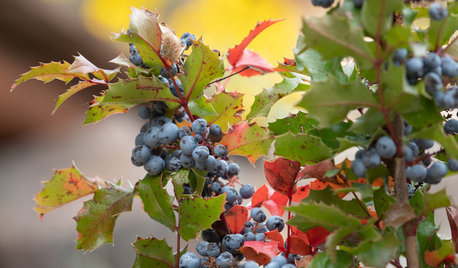
GARDENING GUIDES8 Deer-Resistant Elegant Evergreen Shrubs to Plant This Fall
Who knew that such beautiful shrubs could be deer-resistant?
Full Story
LANDSCAPE DESIGNWarm Up Your Home With an Evergreen Windbreak
Plant tall trees for more warmth in winter, serenity in summer and good looks all year long
Full Story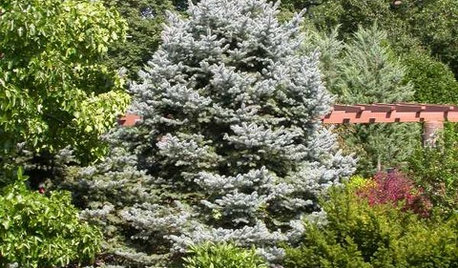
LANDSCAPE DESIGN10 Evergreens for Beautiful Foliage All Year
Give your landscape consistent color and structure with the emeralds, chartreuses and blues of evergreen trees and shrubs
Full Story
GARDENING GUIDES5 Best-Behaved Trees to Grace a Patio
Big enough for shade but small enough for easy care, these amiable trees mind their manners in a modest outdoor space
Full Story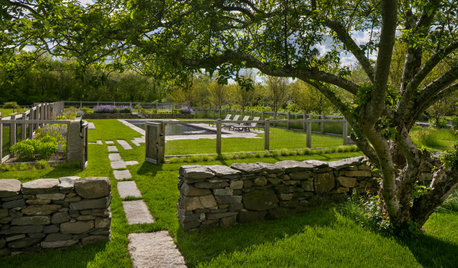
GARDENING GUIDESHow to Keep Your Trees Healthy
Ensure your trees’ vigor for years to come with these tips for protecting roots, watering effectively and more
Full Story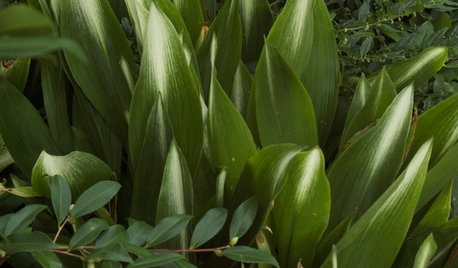
LANDSCAPE DESIGN7 Evergreen Wonders of the Plant World
Year-round interest, structure and beautiful color? These top-notch evergreens have gardens covered
Full Story
GARDENING GUIDESGreat Design Plant: Curl-Leaf Mountain Mahogany, an Easy Evergreen
Use it as an accent plant or mass it as a screen; this pine and spruce alternative is a hard worker in dry, cold climates
Full Story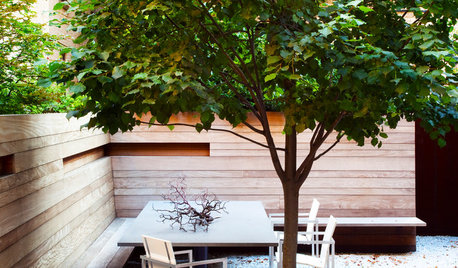
LANDSCAPE DESIGNPretty Trees for Patios, Paths and Other Tight Spots
Choose trees for their size, shape and rate of growth — or shape them to fit your space. Here's how to get started
Full Story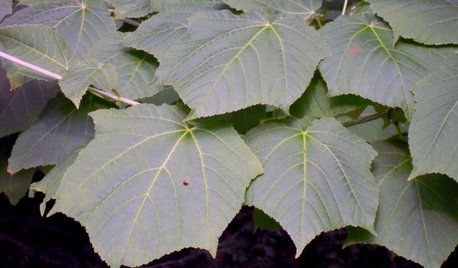
GARDENING GUIDES5 Amazing Small Maple Trees
There's more to maples than syrup. Expand your maple milieu with any of these 5 small and unusual trees
Full Story
GARDENING GUIDESGreat Design Plant: Rocky Mountain Bristlecone Pine
Try this drought-tolerant small evergreen for its sculptural beauty and slow-growing nature
Full Story

Dibbit
flora_uk
Related Professionals
Winston-Salem Landscape Architects & Landscape Designers · Waco Landscape Architects & Landscape Designers · Lansing Landscape Architects & Landscape Designers · Williamsport Landscape Architects & Landscape Designers · Brunswick Landscape Contractors · Bowling Green Landscape Contractors · Rochester Landscape Contractors · Bennington Landscape Contractors · Bozeman Landscape Contractors · Victoria Home Additions · Richmond Home Additions · Bloomington Home Additions · Harrisburg Home Additions · Palm Desert Home Additions · Scottsbluff Home Additionsscotjute Z8
Dave in NoVA • N. Virginia • zone 7A
Iris GW
Dave in NoVA • N. Virginia • zone 7A