

Lasagne garden challenge
19 years ago
Sort by:Oldest
Comments (4)
Related Stories
SMALL SPACES8 Challenges of Cottage Living
‘Small rooms or dwellings discipline the mind,’ Leonardo da Vinci once said. Just how much discipline can you handle?
Full Story
LIVING ROOMSRoom of the Day: Dividing a Living Area to Conquer a Space Challenge
A new layout and scaled-down furnishings fill the ground floor of a compact Dublin house with light and personality
Full Story
EDIBLE GARDENS6 Summer Edibles That Can Really Take the Heat
When garden temperatures soar, these herbs and vegetables rise to the challenge
Full Story
GARDENING GUIDES6 Fantastic Ferns to Enliven Shady Garden Spots
For long-term interest with little upkeep in challenging conditions, ferns might just be your garden's new best friend
Full Story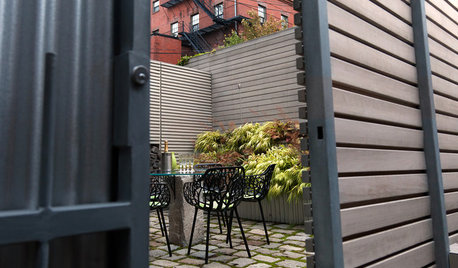
GARDENING AND LANDSCAPINGPostage Stamp Garden Delivers in Boston
A designer conquers an urban challenge with a private, green, modern space that honors New England tradition
Full Story
SIDE YARD IDEASNarrow Trees for Tight Garden Spaces
Boost interest in a side yard or another space-challenged area with the fragrance and color of these columnar trees
Full Story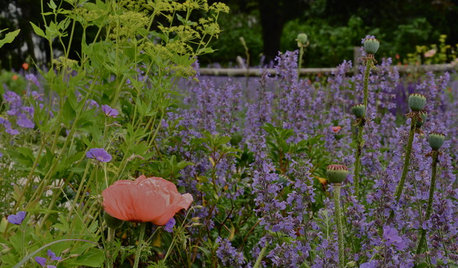
GARDENING GUIDESGreat Design Plant: Walker's Low Catmint
Prolific purple blooms, fragrant leaves, and cold-hardiness makes this a go-to plant for almost any garden
Full Story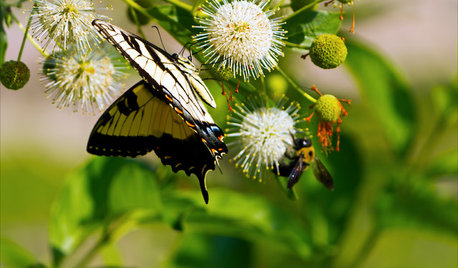
GARDENING GUIDESGreat Design Plant: Cephalanthus Occidentalis
Buttonbush is an adaptable woody shrub with delightful pincushion flowers
Full Story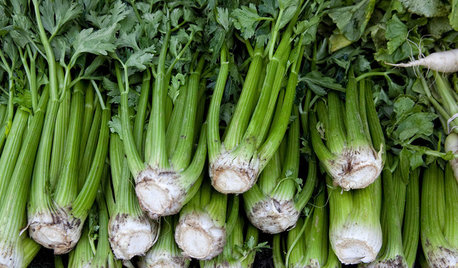
COOL-SEASON CROPSHow to Grow Celery
If you're up for a challenge this fall, try growing celery and celeriac in your garden.
Full Story0
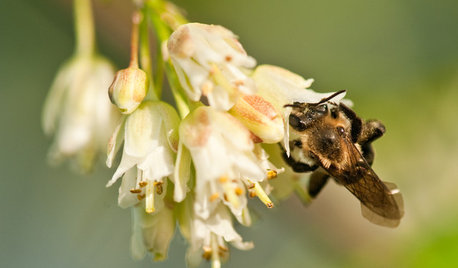
GARDENING GUIDESGreat Design Plant: Staphylea Trifolia Shines in the Shade
Plant American bladdernut for 3 seasons of interest: spring flowers and striped brown branches and bladder-like seedpods in fall and winter
Full Story
herboil
ruphisrenonvOriginal Author
Related Professionals
Topeka Landscape Architects & Landscape Designers · Austin Landscape Architects & Landscape Designers · Saginaw Landscape Architects & Landscape Designers · Lebanon Landscape Architects & Landscape Designers · Missoula Landscape Architects & Landscape Designers · Salem Landscape Architects & Landscape Designers · Mobile Landscape Contractors · Spartanburg Landscape Contractors · Barnstable Landscape Contractors · Duluth Landscape Contractors · South Sioux City Landscape Contractors · Ashland Stone, Pavers & Concrete · Hopkinsville Stone, Pavers & Concrete · Nashua Stone, Pavers & Concrete · Burlington Stone, Pavers & Concretereg_pnw7
herboil