

Large-scale no-till practices - a question
19 years ago
Sort by:Oldest
Comments (4)
Related Stories
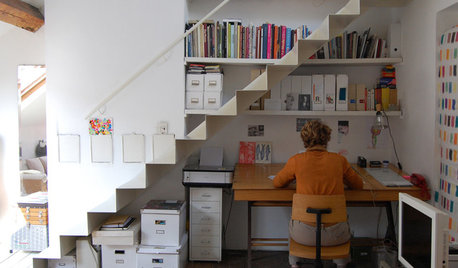
THE ART OF ARCHITECTUREDesign Practice: Why Saying No Can Be Good for Business
When talking with potential clients, ask yourself these questions to determine whether you should accept — or pass on — the job
Full Story
DECORATING GUIDESCalifornia Law: License to Practice Interior Design?
A proposed bill that would require a license to practice interior design in California has Houzzers talking. Where do you stand?
Full Story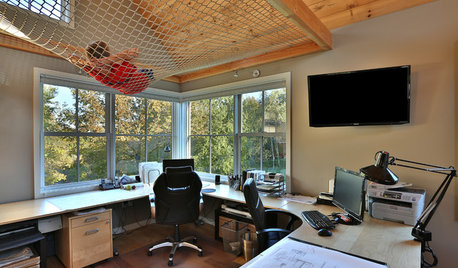
DESIGN PRACTICEHow to Set Up Your Design Studio at Home
Learn from an architect how to create a workspace that fuels your practice and feeds you inspiration
Full Story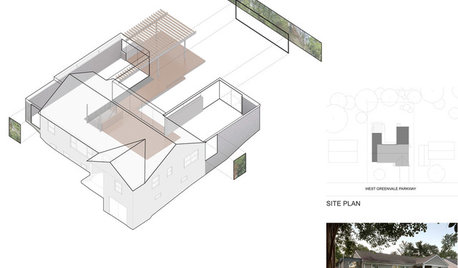
DESIGN PRACTICEDesign Practice: How to Pick the Right Drawing Software
Learn about 2D and 3D drawing tools, including pros, cons and pricing — and what to do if you’re on the fence
Full Story
ARCHITECTUREDesign Practice: Getting Paid
Pro to pro: Learn how to manage contracts and set up the right fee structure for your work
Full Story
DESIGN PRACTICEDesign Practice: Start-up Costs for Architects and Designers
How much cash does it take to open a design company? When you use free tools and services, it’s less than you might think
Full Story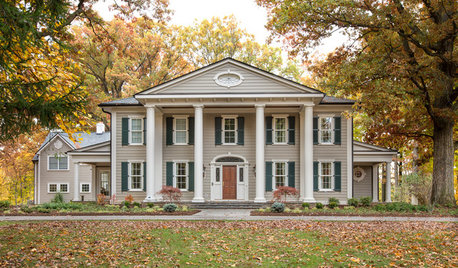
SELLING YOUR HOUSE15 Questions to Ask When Interviewing a Real Estate Agent
Here’s what you should find out before selecting an agent to sell your home
Full Story
DOORS5 Questions to Ask Before Installing a Barn Door
Find out whether that barn door you love is the right solution for your space
Full Story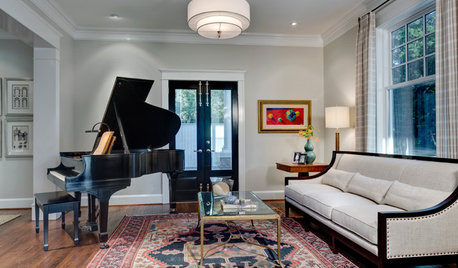
WORKING WITH PROS12 Questions Your Interior Designer Should Ask You
The best decorators aren’t dictators — and they’re not mind readers either. To understand your tastes, they need this essential info
Full Story
DECORATING GUIDESThe Faces Have It: Large Portraits Go Over Big
Oversize visages of celebrities and mere mortals make for double-take drama in interiors
Full Story
Kimmsr
dchall_san_antonio
Related Professionals
Fort Smith Landscape Architects & Landscape Designers · Atlanta Landscape Architects & Landscape Designers · Bowling Green Landscape Architects & Landscape Designers · Waco Landscape Architects & Landscape Designers · Muskegon Landscape Architects & Landscape Designers · Fresno Landscape Architects & Landscape Designers · Salt Lake City Landscape Architects & Landscape Designers · Richmond Landscape Contractors · Lexington Landscape Contractors · Cumberland Stone, Pavers & Concrete · Aurora Stone, Pavers & Concrete · Newport Stone, Pavers & Concrete · Westerly Stone, Pavers & Concrete · Marinette Stone, Pavers & Concrete · London Stone, Pavers & Concretebob64
patty4150Original Author