

Garden soil
15 years ago
Sort by:Oldest
Comments (4)
Related Stories

GARDENING GUIDESGet the Dirt on Your Garden’s Soil
Understand how your soil supports your plants so you can ensure your garden’s success
Full Story
GARDENING GUIDESHave Acidic Soil in Your Yard? Learn to Love Gardening Anyway
Look to acid-loving plants, like conifers and rhododendrons, to help your low-pH garden thrive
Full Story
CONTAINER GARDENSContainer Gardening Basics: The Dirt on Soil
Learn the types of potting soil available and the best mixes to help your containers thrive
Full Story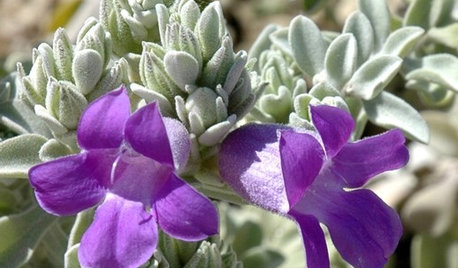
GARDENING GUIDESGreat Design Plant: Try Blue Bells for Blooms in Dry Soil
This shrub’s violet-blue flowers and silvery foliage brighten low-water gardens all year long
Full Story
GARDENING GUIDESGardening Solutions for Heavy Clay Soils
What’s a gardener to do with soil that’s easily compacted and has poor drainage? Find out here
Full Story
GARDENING GUIDESGrow a Beautiful Garden in Alkaline Soil
Got alkaline soil? Learn how to manage it and the many beautiful plants that will thrive in this ‘sweet’ soil
Full Story
FARM YOUR YARDHow to Get Good Soil for Your Edible Garden
The nutrients in your soil feed the plants that feed you. Here are tips on getting it right — just in time for planting season
Full Story
LANDSCAPE DESIGNHow to Shape a Rain Garden and Create the Right Soil for It
Learn how to grade, lay out and amend the soil in your rain garden to support your plants
Full Story
GARDENING GUIDESGardening Solutions for Dry, Sandy Soils
Has your desert or beachy site withered your gardening creativity? Try these ideas for a beautiful, easy-care landscape
Full Story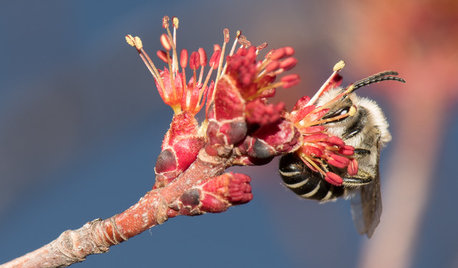
GARDENING GUIDESInvite Cellophane Bees to Your Garden by Providing Patches of Bare Soil
Look for cellophane bees (Colletes) pollinating flowering trees and shrubs in U.S. gardens this spring
Full Story
hamiltongardener
Ellee
Related Professionals
Miami Landscape Architects & Landscape Designers · Corpus Christi Landscape Architects & Landscape Designers · Georgetown Landscape Architects & Landscape Designers · Potsdam Landscape Architects & Landscape Designers · Leamington Landscape Architects & Landscape Designers · Cherry Hill Landscape Contractors · Chicago Landscape Contractors · Brooklyn Landscape Contractors · Burlington Landscape Contractors · Janesville Landscape Contractors · Sterling Landscape Contractors · Yakima Landscape Contractors · Richmond Stone, Pavers & Concrete · Lawrence Stone, Pavers & Concrete · Hudson Stone, Pavers & Concretealphonse
Kimmsr