

help! novice here!!!
21 years ago
Sort by:Oldest
Comments (6)
Related Stories
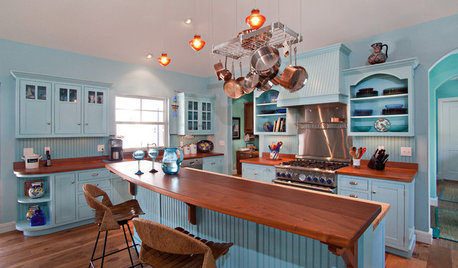
KITCHEN DESIGNHere's Help for Your Next Appliance Shopping Trip
It may be time to think about your appliances in a new way. These guides can help you set up your kitchen for how you like to cook
Full Story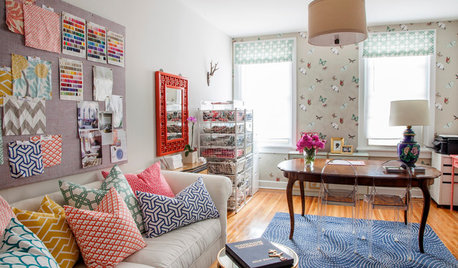
STUDIOS AND WORKSHOPSYour Space Can Help You Get Down to Work. Here's How
Feed your creativity and reduce distractions with the right work surfaces, the right chair, and a good balance of sights and sounds
Full Story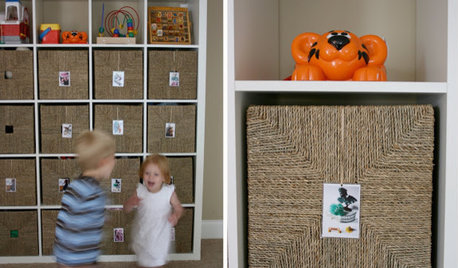
LIFERelocating? Here’s How to Make Moving In a Breeze
Moving guide, Part 2: Helpful tips for unpacking, organizing and setting up your new home
Full Story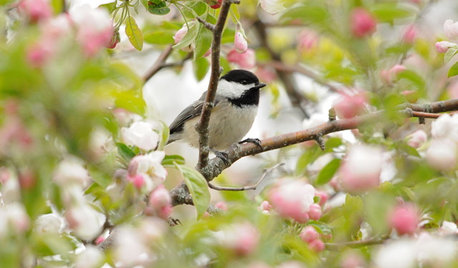
SPRING GARDENINGSpring Gardens Are Waking — Here’s What to Do in March
Excitement fills the air when gardens come back to life. These guides will help you make the most of yours
Full Story
GARDENING GUIDESKeep Your Cool in the Garden — Here’s What to Do in August
Don’t let summer’s heat go to your head. These U.S. gardening guides will help you make sensible choices for all of your plantings
Full Story
SPRING GARDENINGEnjoy the Peak of Spring Gardening — Here’s What to Do in May
Bid the frost farewell and treasure the blooms. No matter what U.S. region you’re in, one of these guides will help your garden flourish
Full Story
LIFE12 House-Hunting Tips to Help You Make the Right Choice
Stay organized and focused on your quest for a new home, to make the search easier and avoid surprises later
Full Story
WORKING WITH PROS3 Reasons You Might Want a Designer's Help
See how a designer can turn your decorating and remodeling visions into reality, and how to collaborate best for a positive experience
Full Story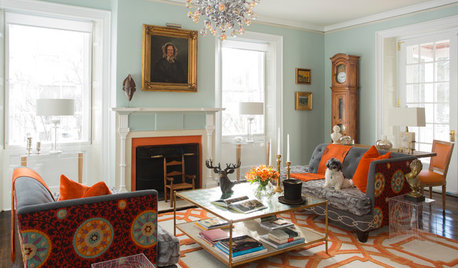
COLORWant More Color in Your Home? Here’s How to Get Started
Lose your fear of dabbling in new hues with these expert words of advice
Full Story
SHOP HOUZZShop Houzz: Here’s to a Healthier You
Use these tools to exercise smarter, relieve stress and eat wisely
Full Story0

Sponsored
More Discussions
The_Mohave__Kid
principemcOriginal Author
Related Professionals
Vincennes Landscape Architects & Landscape Designers · Manchester Landscape Architects & Landscape Designers · Youngstown Landscape Architects & Landscape Designers · Montrose Landscape Architects & Landscape Designers · Athens Landscape Contractors · Louisville Landscape Contractors · Murfreesboro Landscape Contractors · Flagstaff Landscape Contractors · Vancouver Landscape Contractors · Terre Haute Home Additions · Jackson Home Additions · Beaumont Home Additions · Fort Worth Home Additions · Laconia Home Additions · Bozeman Home Additionsspyhawk
egghead2004
ESprinklers
greenguy