

booster pump
22 years ago
Sort by:Oldest
Comments (4)
Related Stories
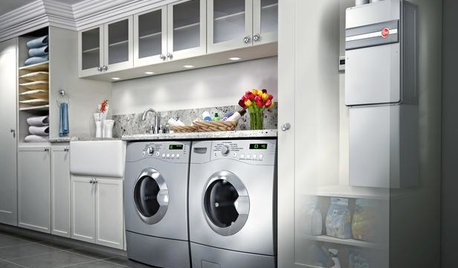
GREAT HOME PROJECTSHow to Switch to a Tankless Water Heater
New project for a new year: Swap your conventional heater for an energy-saving model — and don’t be fooled by misinformation
Full Story
FLOORSIs Radiant Heating or Cooling Right for You?
Questions to ask before you go for one of these temperature systems in your floors or walls (yes, walls)
Full Story
LAUNDRY ROOMSClever Ways to Hide a Laundry Station
When you don’t have a whole room to devote to the wash, use these solutions to tuck the machines out of view
Full Story
HOLIDAYSSimple Pleasures: Savoring the Season of Warmth and Light
Light up your home and lift your spirits on cold winter days with these decorative touches
Full Story
HOUZZ TOURSHouzz Tour: Family Builds Off the Grid Near the Cascade Mountains
Homeowners carefully construct a weekend home on 20 acres in remote northeast Washington
Full Story
HOUSEPLANTSHow to Grow Orchids Indoors
Orchids are the exotic aristocrats of the flower world and can make themselves comfortable in almost any home
Full Story
LIFE6 Ways to Beat the Winter Blahs
Snow and dark days dampening your spirits? These ideas will have you looking on the bright side
Full Story
HOUSEKEEPINGTackle Big Messes Better With a Sparkling-Clean Dishwasher
You might think it’s self-cleaning, but your dishwasher needs regular upkeep to keep it working hard for you
Full Story
GREAT HOME PROJECTSHow to Add a Solar Water Heater
Lower energy bills without a major renovation by putting the sun to work heating your home’s water
Full Story
Sponsored
More Discussions
irri_guy
sprinkler_medic
Related Professionals
Topeka Landscape Architects & Landscape Designers · Elizabethtown Landscape Architects & Landscape Designers · Clarksburg Landscape Architects & Landscape Designers · Amherst Landscape Architects & Landscape Designers · Minneapolis Landscape Architects & Landscape Designers · Salisbury Landscape Contractors · Branson Landscape Contractors · Marietta Landscape Contractors · Edison Landscape Contractors · Oneonta Landscape Contractors · Sebring Home Additions · Albany Home Additions · Frederick Home Additions · Flagstaff Home Additions · Cowansville Home AdditionsdeeprootsOriginal Author
irri_guy