

sand filters
22 years ago
Sort by:Oldest
Comments (5)
Related Stories
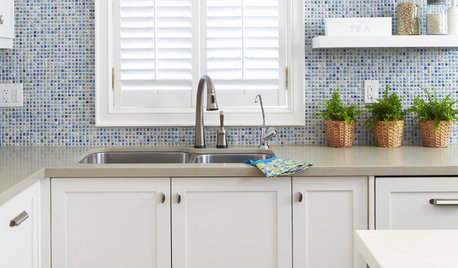
HEALTHY HOMEHow to Choose a Home Water Filtering System
Learn which water purification method is best for your house, from pitchers to whole-house setups
Full Story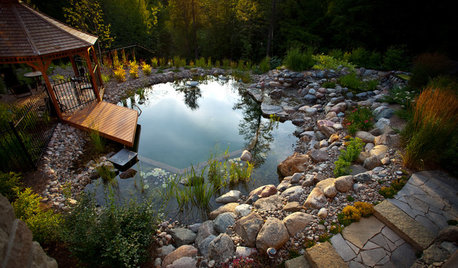
LANDSCAPE DESIGNNatural Swimming Pools: More Beauty, No Chemicals
Keep your skin and the environment healthy with a pool that cleans itself, naturally
Full Story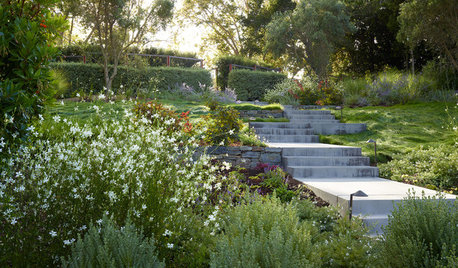
EARTH DAY5 Ideas for a More Earth-Friendly Garden
Consider increasing the size of garden beds, filtering rainwater and using plants to reduce energy use
Full Story
GARDENING AND LANDSCAPING10 Reasons to Love Outdoor Showers
Keep summertime dirt and sand outside with a shower area that turns an everyday routine into an exhilarating experience
Full Story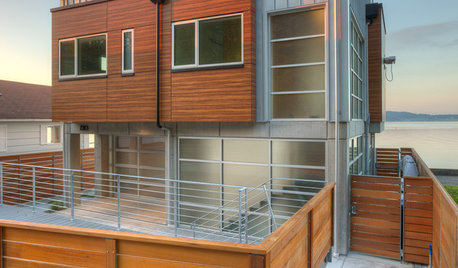
ARCHITECTUREHouzz Tour: Sturdy Enough for a Tsunami
Storms don't scare this Washington state home; breakaway features and waterproof finishes let it weather high winds and waves
Full Story
TRADITIONAL HOMESHouzz Tour: Connecticut Farm Restored for Generations to Come
A man renovates his extended family’s stately farmhouse and land. Sustainable practices are used in gardens, wetlands and recreation areas
Full Story
INSIDE HOUZZNew on Houzz: Browse Home Photos by 14 Design Styles
Refine your Houzz searches with 7 new style categories, from beach to transitional
Full Story
LANDSCAPE DESIGNEasy Ways to Manage Stormwater for Lower Bills and a Healthier Earth
Send cleaner runoff into local waterways and spend less on yard irrigation with these simple landscaping approaches
Full Story
UNIVERSAL DESIGNHow to Light a Kitchen for Older Eyes and Better Beauty
Include the right kinds of light in your kitchen's universal design plan to make it more workable and visually pleasing for all
Full Story
GARDENING AND LANDSCAPINGPatio Pavers Rock Out
Pair stone or gravel with bigger pavers for a patio design that guests will pay tribute to
Full Story
More Discussions
irri_guy
deeprootsOriginal Author
Related Professionals
Rocky Mount Landscape Architects & Landscape Designers · Richmond Landscape Architects & Landscape Designers · Gary Landscape Architects & Landscape Designers · Hempstead Landscape Architects & Landscape Designers · Texarkana Landscape Contractors · Dubuque Landscape Contractors · Toledo Landscape Contractors · Erie Landscape Contractors · Pensacola Home Additions · Toms River Home Additions · Florence Home Additions · Aurora Home Additions · Syracuse Home Additions · Superior Home Additions · San Francisco Home Additionsirri_guy
deeprootsOriginal Author
rgranel