

maple seeds in compost
13 years ago
Sort by:Oldest
Comments (12)
Related Stories

LANDSCAPE DESIGNGreat Design Plant: Vine Maple
Exciting year-round color and adaptability make this highly ornamental native small tree a top choice for home gardens
Full Story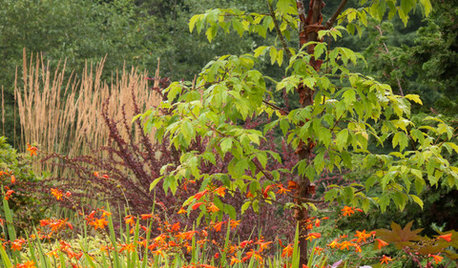
GARDENING GUIDESGreat Design Plant: Paperbark Maple
With fall foliage like a sunset and bark the color of cinnamon, this tree is a highlight of the landscape
Full Story
GARDENING GUIDESGet on a Composting Kick (Hello, Free Fertilizer!)
Quit shelling out for pricey substitutes that aren’t even as good. Here’s how to give your soil the best while lightening your trash load
Full Story
GARDENING GUIDES12 Japanese Maples for a Sunny Garden
The right maple in the right place shines in hot summer sun
Full Story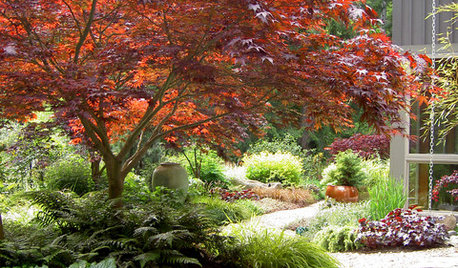
TREES11 Japanese Maples for Breathtaking Color and Form
With such a wide range to choose from, there’s a beautiful Japanese maple to suit almost any setting
Full Story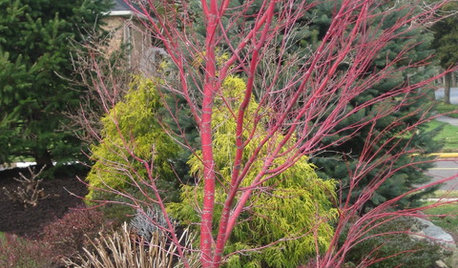
TREESGreat Design Plant: Coral Bark Japanese Maple, a Winter Standout
Go for garden gusto during the chilly season with the fiery red stems of this unusual Japanese maple
Full Story
GARDENING GUIDES13 Japanese Maples for Shade
A surprising variety of these understory trees is waiting to make a statement in your shade garden
Full Story
REGIONAL GARDEN GUIDESNortheast Gardener's April Checklist
Revel in the wonders of spring by babying bulbs, sprinkling seeds for root crops and setting out some nibbles for the birds
Full Story
GARDENING GUIDESMid-Atlantic Gardener's November Checklist
Winding down for winter means prepping, potting, piling and picking an indoor solution for daily compost
Full Story0
GARDENING GUIDESMid-Atlantic Gardener's January Checklist
Scatter berries while ye may, be kind to your fair-feathered friends and try a time-saving compost trick that will keep you out of the cold
Full Story
Kimmsr
TXEB
Related Professionals
Gainesville Landscape Architects & Landscape Designers · Columbia Landscape Architects & Landscape Designers · Beaumont Landscape Architects & Landscape Designers · Williamsburg Landscape Architects & Landscape Designers · Sheboygan Landscape Architects & Landscape Designers · Honolulu Landscape Architects & Landscape Designers · Dayton Landscape Contractors · Ardmore Landscape Contractors · McAllen Landscape Contractors · Elgin Landscape Contractors · Burlington Landscape Contractors · Napa Landscape Contractors · Atlantic City Stone, Pavers & Concrete · Charleston Stone, Pavers & Concrete · Mesquite Stone, Pavers & Concreteericwi
hepatica_z7Original Author
TXEB
TXEB
hepatica_z7Original Author
TXEB
hepatica_z7Original Author
TXEB
hepatica_z7Original Author
hepatica_z7Original Author