

soil ph
13 years ago
Sort by:Oldest
Comments (9)
Related Stories

GARDENING GUIDESGrow a Beautiful Garden in Alkaline Soil
Got alkaline soil? Learn how to manage it and the many beautiful plants that will thrive in this ‘sweet’ soil
Full Story
GARDENING GUIDESHave Acidic Soil in Your Yard? Learn to Love Gardening Anyway
Look to acid-loving plants, like conifers and rhododendrons, to help your low-pH garden thrive
Full Story
GARDENING GUIDESGardening Solutions for Heavy Clay Soils
What’s a gardener to do with soil that’s easily compacted and has poor drainage? Find out here
Full Story
GARDENING GUIDESGet the Dirt on Your Garden’s Soil
Understand how your soil supports your plants so you can ensure your garden’s success
Full Story
FARM YOUR YARDHow to Get Good Soil for Your Edible Garden
The nutrients in your soil feed the plants that feed you. Here are tips on getting it right — just in time for planting season
Full Story
CONTAINER GARDENSContainer Gardening Basics: The Dirt on Soil
Learn the types of potting soil available and the best mixes to help your containers thrive
Full Story
GARDENING GUIDESHow to Stop Worrying and Start Loving Clay Soil
Clay has many more benefits than you might imagine
Full Story
GARDENING GUIDESGarden Myths to Debunk as You Dig This Fall and Rest Over Winter
Termites hate wood mulch, don’t amend soil for trees, avoid gravel in planters — and more nuggets of garden wisdom
Full Story
GARDENING AND LANDSCAPINGHave a Ball With Hydrangeas
Even if you don't tinker with the hue by changing the soil, hydrangeas have an entertaining range of uses in all kinds of landscapes
Full Story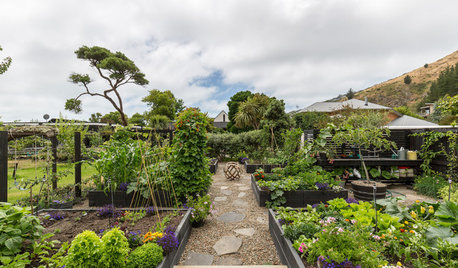
EDIBLE GARDENSNatural Ways to Get Rid of Weeds in Your Garden
Use these techniques to help prevent the spread of weeds and to learn about your soil
Full Story
Kimmsr
pnbrownOriginal Author
Related Professionals
Decatur Landscape Architects & Landscape Designers · Savannah Landscape Architects & Landscape Designers · Baltimore Landscape Architects & Landscape Designers · Edison Landscape Architects & Landscape Designers · Provo Landscape Architects & Landscape Designers · Everett Landscape Architects & Landscape Designers · Olympia Landscape Architects & Landscape Designers · Leamington Landscape Architects & Landscape Designers · Florence Landscape Contractors · New Haven Landscape Contractors · Marinette Landscape Contractors · Toronto Landscape Contractors · Harrisburg Stone, Pavers & Concrete · Sacramento Stone, Pavers & Concrete · Bend Stone, Pavers & ConcreteTXEB
wayne_5 zone 6a Central Indiana
pnbrownOriginal Author
TXEB
pnbrownOriginal Author
TXEB
wayne_5 zone 6a Central Indiana