

Mulch vs Compost on a slope
12 years ago
Sort by:Oldest
Comments (5)
Related Stories

GARDENING GUIDESHow to Pick a Mulch — and Why Your Soil Wants It
There's more to topdressing than shredded wood. Learn about mulch types, costs and design considerations here
Full Story
GARDENING GUIDESNew Ways to Think About All That Mulch in the Garden
Before you go making a mountain out of a mulch hill, learn the facts about what your plants and soil really want
Full Story
GARDENING GUIDESThe Art of Green Mulch
You can design a natural garden that doesn’t rely on covering your soil with wood and bark mulch
Full Story
GARDENING GUIDESGet on a Composting Kick (Hello, Free Fertilizer!)
Quit shelling out for pricey substitutes that aren’t even as good. Here’s how to give your soil the best while lightening your trash load
Full Story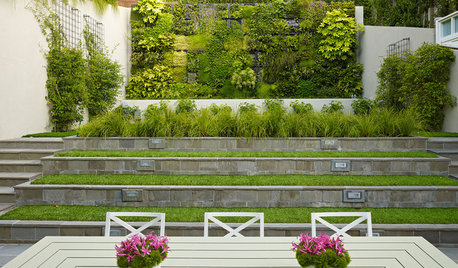
LANDSCAPE DESIGN11 Design Solutions for Sloping Backyards
Hit the garden slopes running with these bright ideas for terraces, zones, paths and more
Full Story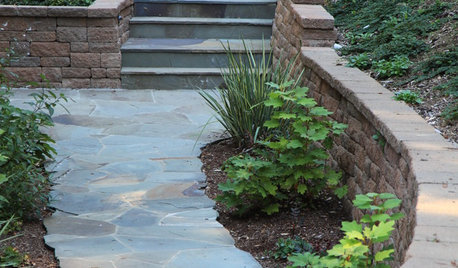
GARDENING AND LANDSCAPINGSteeply Beautiful Slope Retention
Don't let things slide or give in to sandbags and cement. These slope retention ideas will keep your landscape hitting the high notes
Full Story
GARDENING GUIDESGreat Design Plant: Sunrose Dazzles on Dry Slopes
Abundant blooms and attractive foliage make this plant a welcome sight in sunny, well-drained spots
Full Story
GARDENING GUIDESGarden Myths to Debunk as You Dig This Fall and Rest Over Winter
Termites hate wood mulch, don’t amend soil for trees, avoid gravel in planters — and more nuggets of garden wisdom
Full Story
GARDENING GUIDESMid-Atlantic Gardener's January Checklist
Scatter berries while ye may, be kind to your fair-feathered friends and try a time-saving compost trick that will keep you out of the cold
Full Story
GARDENING GUIDESMid-Atlantic Gardener's November Checklist
Winding down for winter means prepping, potting, piling and picking an indoor solution for daily compost
Full Story0

gardengal48 (PNW Z8/9)
cleveljeOriginal Author
Related Professionals
Florence Landscape Architects & Landscape Designers · Springfield Landscape Architects & Landscape Designers · Columbus Landscape Architects & Landscape Designers · Akron Landscape Architects & Landscape Designers · Cleveland Landscape Architects & Landscape Designers · Florence Landscape Contractors · North Adams Landscape Contractors · Newport Landscape Contractors · Medford Landscape Contractors · Sanford Landscape Contractors · Hattiesburg Stone, Pavers & Concrete · Boston Stone, Pavers & Concrete · Trenton Stone, Pavers & Concrete · Tucson Stone, Pavers & Concrete · Boise Stone, Pavers & ConcreteKimmsr
toxcrusadr
gardengal48 (PNW Z8/9)