

unidentified rose pest
18 years ago
Sort by:Oldest
Comments (7)
Related Stories
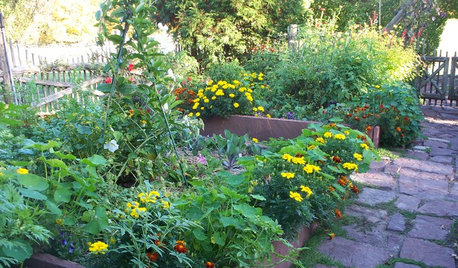
GARDENING GUIDESOrganic Matters: Thwart Insect Pests With Trap Crops
Add a few sacrificial plants to your garden to lure insects away from the harvest
Full Story
GARDENING GUIDESRoses: Crowning Touch of Gardens
Whether you're the Miss or Mister America of gardening or take a hands-off approach, roses can be a winning addition to your landscape
Full Story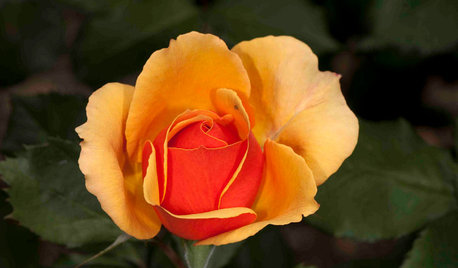
SPRING GARDENING5 Exotic Rose Colors for a Beautifully Different Garden
Give red a rest. Let these daring hues take the spotlight instead for a rose garden that turns heads
Full Story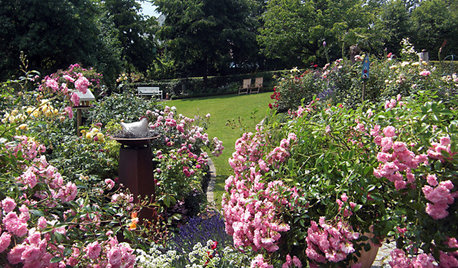
GARDENING GUIDES5 Sweet to Spirited Pink Roses for an Enchanting Garden
Whether you go demure or daring, there's a pink rose here to make you flush with garden pride
Full Story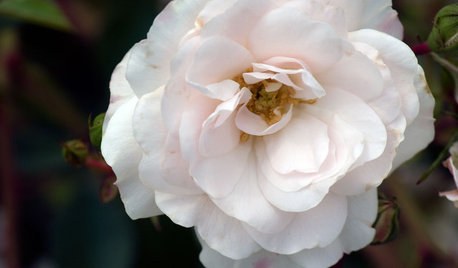
GARDENING GUIDES5 Favorite White Roses for a Purely Beautiful Garden
How does your garden glow? With roses that look like light and smell divine
Full Story
GARDENING GUIDES6 Wonderfully Easy Roses for Any Gardener
Look like an expert even if you're just starting out, with these low-maintenance gems of the rose world
Full Story
WINTER GARDENINGPruning Secrets for Exquisite Roses
Encourage gorgeous blooms year after year with this time-tested advice on how to prune your rosebush in winter for health and shape
Full Story
INSPIRING GARDENSFrom Concrete Lot to Gracious Organic Garden in Seattle
Plants, pests and even weeds have a place in this landscape, which offers an edible bounty and a feast for the eyes
Full Story
EDIBLE GARDENSGarden BFFs? Why Your Vegetables Are Begging for Companion Plants
Foster friendships among plants for protection from pests, pollination support and color camaraderie
Full Story
GARDENING GUIDESPacific Northwest Gardener: What to Do in June
Now's the time to prune pines and vines, prevent pests and buy June-blooming plants to keep your garden healthy and beautiful
Full Story
catsrose
cincy_city_garden
Related Professionals
Decatur Landscape Architects & Landscape Designers · Vincennes Landscape Architects & Landscape Designers · Cumberland Landscape Architects & Landscape Designers · Temecula Landscape Architects & Landscape Designers · West Palm Beach Landscape Contractors · Victoria Landscape Contractors · Dubuque Landscape Contractors · Champaign Landscape Contractors · Portland Landscape Contractors · Miami Home Builders · Somerset Home Builders · Westminster Home Builders · Enid Home Builders · Rockford Home Builders · Muskegon Home BuildersUser
mad_gallica (z5 Eastern NY)
Krista_5NY
sheilalbaloverOriginal Author
User