

black soil
17 years ago
Sort by:Oldest
Comments (7)
Related Stories

GARDENING GUIDESGet the Dirt on Your Garden’s Soil
Understand how your soil supports your plants so you can ensure your garden’s success
Full Story
GARDENING GUIDESHow to Stop Worrying and Start Loving Clay Soil
Clay has many more benefits than you might imagine
Full Story
GARDENING GUIDESHow to Pick a Mulch — and Why Your Soil Wants It
There's more to topdressing than shredded wood. Learn about mulch types, costs and design considerations here
Full Story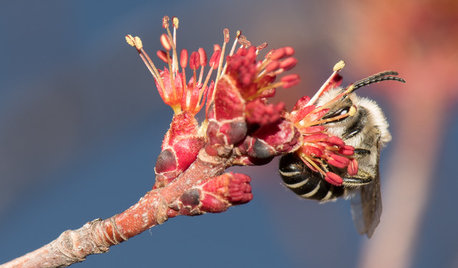
GARDENING GUIDESInvite Cellophane Bees to Your Garden by Providing Patches of Bare Soil
Look for cellophane bees (Colletes) pollinating flowering trees and shrubs in U.S. gardens this spring
Full Story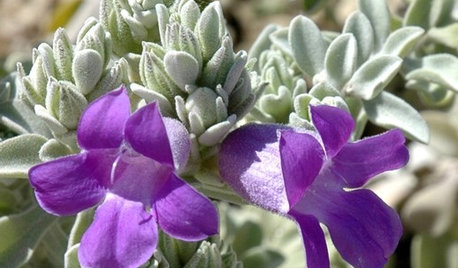
GARDENING GUIDESGreat Design Plant: Try Blue Bells for Blooms in Dry Soil
This shrub’s violet-blue flowers and silvery foliage brighten low-water gardens all year long
Full Story
GARDENING GUIDES10 Solutions for Soggy Soil
If a too-wet garden is raining on your parade, try these water-loving plants and other ideas for handling all of that H2O
Full Story
GARDENING GUIDESHouzz TV: Make a Worm Bin for Rich Soil and Happy Plants
A worm-powered compost bin that can fit under a sink turns food scraps into a powerful amendment for your garden. Here’s how to make one
Full Story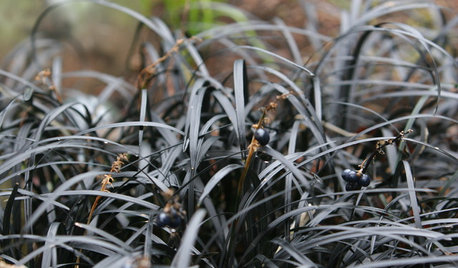
GARDENING GUIDESGreat Design Plant: Black Mondo Grass
Skip the mall and spend Black Friday planting this unusual low-maintenance grass
Full Story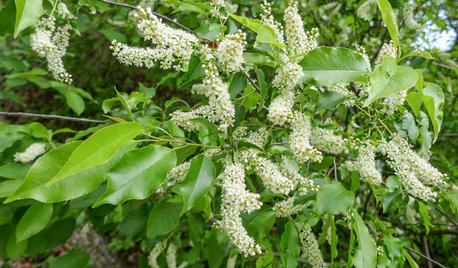
GARDENING GUIDESPlant Black Cherry Trees for the Birds and Bees
Plant Prunus serotina in the Central and Eastern U.S. for spring flowers, interesting bark and beautiful fall color
Full Story
TREESGreat Design Plant: Nyssa Sylvatica
The black gum tree tolerates moist soil and provides many years of beautiful foliage, from summer to fall
Full Story

mike_rivers
henryinct
Related Professionals
Hopkinsville Landscape Architects & Landscape Designers · Anderson Landscape Architects & Landscape Designers · Fredericksburg Landscape Architects & Landscape Designers · Elgin Landscape Architects & Landscape Designers · Middletown Landscape Architects & Landscape Designers · Oxnard Landscape Architects & Landscape Designers · Grand Junction Landscape Architects & Landscape Designers · Jackson Landscape Architects & Landscape Designers · Dothan Landscape Contractors · Corpus Christi Landscape Contractors · Kahului Landscape Contractors · Macon Home Builders · South Bend Home Builders · Orange County Home Builders · Montrose Home BuilderspamelasvOriginal Author
michaelg
york_rose
york_rose
iowa_jade