

Garden Phlox Pests
19 years ago
Sort by:Oldest
Comments (2)
Related Stories

GARDENING GUIDESGreat Design Plant: Phlox Divaricata
Plant wild blue phlox in central and eastern U.S. woodland gardens for its bright blue flowers in early spring
Full Story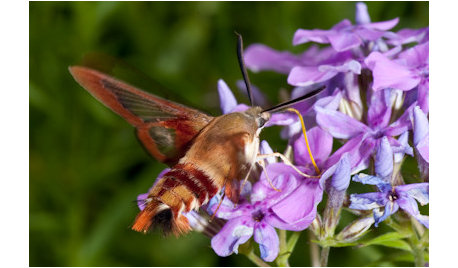
GARDENING GUIDESGreat Design Plant: Prairie Phlox Draws Winged Beauties
Beauty and a sweet fragrance are just the beginning with this spring bloomer. Watch the butterflies and moths descend on it for nectar
Full Story
GARDENING GUIDESOrganic Matters: Thwart Insect Pests With Trap Crops
Add a few sacrificial plants to your garden to lure insects away from the harvest
Full Story
GARDENING GUIDESPacific Northwest Gardener: What to Do in June
Now's the time to prune pines and vines, prevent pests and buy June-blooming plants to keep your garden healthy and beautiful
Full Story
GARDENING GUIDESMid-Atlantic Gardener: What to Do in June
Abundant sun is yielding bountiful blooms in the garden this month, but don't forget to watch for pests, package some seeds and plan ahead
Full Story
GARDENING GUIDESSoutheast Gardener: What to Do in July
Time to claim your prize: a bounty of fruits, veggies and flowers, but don’t forget to keep an eye on weeds, pests and water
Full Story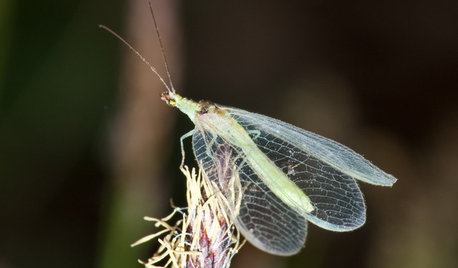
GARDENING GUIDESLook Out for Lacewings: Beneficial Insects Coming to a Garden Near You
Lacewings are delicate insects that produce alligator-like, hungry offspring that devour aphids and other garden pests
Full Story
INSPIRING GARDENSFrom Concrete Lot to Gracious Organic Garden in Seattle
Plants, pests and even weeds have a place in this landscape, which offers an edible bounty and a feast for the eyes
Full Story
GARDENING GUIDESTexas Gardener: What to Do in July
Beat the heat with sun-loving blooms, pest control, good lawn care and sun protection. Pick up the pace for planting and planning
Full Story
EDIBLE GARDENSGarden BFFs? Why Your Vegetables Are Begging for Companion Plants
Foster friendships among plants for protection from pests, pollination support and color camaraderie
Full Story
farmerbell
nancyd
Related Professionals
Portsmouth Landscape Architects & Landscape Designers · College Station Landscape Architects & Landscape Designers · Greenfield Landscape Architects & Landscape Designers · North Adams Landscape Architects & Landscape Designers · Hackettstown Landscape Architects & Landscape Designers · Flagstaff Landscape Architects & Landscape Designers · Baton Rouge Landscape Contractors · Mansfield Landscape Contractors · Cheyenne Landscape Contractors · Myrtle Beach Home Builders · Rock Hill Home Builders · Fort Worth Home Builders · Enfield Home Builders · Watertown Home Builders · Modesto Home Builders