

Virgin Composter
19 years ago
Sort by:Oldest
Comments (4)
Related Stories

GARDENING GUIDESGardening Solutions for Heavy Clay Soils
What’s a gardener to do with soil that’s easily compacted and has poor drainage? Find out here
Full Story
FEEL-GOOD HOME21 Ways to Waste Less at Home
Whether it's herbs rotting in the fridge or clothes that never get worn, most of us waste too much. Here are ways to make a change
Full Story
SMALL HOMESHouzz Tour: Sustainable, Comfy Living in 196 Square Feet
Solar panels, ship-inspired features and minimal possessions make this tiny Washington home kind to the earth and cozy for the owners
Full Story
SAVING WATER11 Ways to Save Water at Home
Whether you live in a drought-stricken area or just want to help preserve a precious resource, here are things you can do to use less water
Full Story
WINTER GARDENING6 Reasons I’m Not Looking Forward to Spring
Not kicking up your heels anticipating rushes of spring color and garden catalogs? You’re not alone
Full Story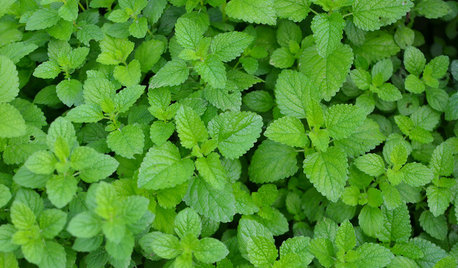
EDIBLE GARDENS12 Essential Herbs for Your Edible Garden
Make home cooking and drinks even better with herbs plucked from your own backyard or windowsill pot
Full Story
GARDENING FOR BUTTERFLIESGarden for Wildlife to Reap Rich Rewards
When you plant with animals and insects in mind, you make gardening easier, the planet healthier and yourself more present
Full Story
LANDSCAPE DESIGNSoak It Up: How to Manage Stormwater in Your Landscape
Permeable paving, gravel beds and planted areas in your yard can absorb and cleanse stormwater runoff. Here's how it works
Full Story
MOST POPULAR33 Magic Household Cleaning Tips
Houzzers from around the world share their tips for transforming housework into child’s play
Full Story
SAVING WATER6 Reasons Why You Should Save Your Rainwater Now
Collect and store during the rainy season so you’ll have water ready for irrigation when you need it
Full Story
bpgreen
kqcrna
Related Professionals
Pine Bluff Landscape Architects & Landscape Designers · Amherst Landscape Architects & Landscape Designers · North Adams Landscape Architects & Landscape Designers · Webster Landscape Architects & Landscape Designers · Saint Marys Landscape Architects & Landscape Designers · Jackson Landscape Contractors · Kankakee Landscape Contractors · Youngstown Landscape Contractors · Logan Landscape Contractors · Beaumont Stone, Pavers & Concrete · Roanoke Stone, Pavers & Concrete · Plymouth Stone, Pavers & Concrete · Saint Cloud Stone, Pavers & Concrete · Concord Stone, Pavers & Concrete · Cowansville Stone, Pavers & Concretejoepyeweed
Kimmsr