

'Wasted' show composted chicken
18 years ago
Sort by:Oldest
Comments (10)
Related Stories
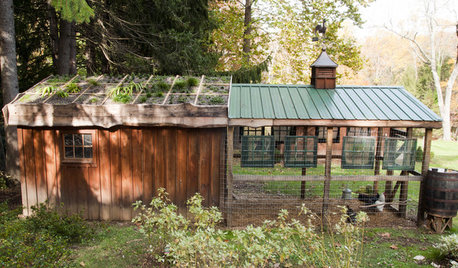
FARM YOUR YARDHouzz Call: Show Us Your One-of-a-Kind Chicken Coops
Do you have a fun or stylish backyard shelter for your feathered friends? Post your pictures and stories in the Comments!
Full Story
FEEL-GOOD HOME21 Ways to Waste Less at Home
Whether it's herbs rotting in the fridge or clothes that never get worn, most of us waste too much. Here are ways to make a change
Full Story
MOST POPULAREasy Green: 23 Ways to Reduce Waste at Home
Pick from this plethora of earth-friendly ideas to send less to the landfill and keep more money in your pocket
Full Story
GARDENING GUIDESGet on a Composting Kick (Hello, Free Fertilizer!)
Quit shelling out for pricey substitutes that aren’t even as good. Here’s how to give your soil the best while lightening your trash load
Full Story
HEALTHY HOME6 Tips From a Nearly Zero-Waste Home
Lower your trash output and increase your quality of life with these ideas from a mom who did it to the max
Full Story
FARM YOUR YARDHouzz Call: Home Farmers, Show Us Your Edible Gardens
We want to see where your tomatoes, summer squashes and beautiful berries are growing this summer
Full Story
GARDENING AND LANDSCAPINGWorld of Design: 10 Home Gardeners Show Us Their Sweet Summer Harvests
From New York to Tokyo, these gardeners have turned their yards, terraces and rooftops into places of bounty
Full Story
OUTBUILDINGSQuirky Meets Practical in a Dallas Chicken Coop
These hens have a stylish backyard coop built from recycled materials
Full Story
GARDENING AND LANDSCAPINGRaise Backyard Chickens Without Ruffling Neighbors' Feathers
Before you build a coop in the backyard, follow these strategies to help keep your neighbors from squawking
Full Story
KITCHEN DESIGNShow Us Your Best Kitchen Innovation
Did you take kitchen functionality up a notch this year? We want to see your best solutions for the hardest-working room in the house
Full Story
digdirt2
cathyd_gardenerOriginal Author
Related Professionals
Fort Worth Landscape Architects & Landscape Designers · Clarksburg Landscape Architects & Landscape Designers · Gloucester Landscape Architects & Landscape Designers · Palm Desert Landscape Architects & Landscape Designers · Saint George Landscape Architects & Landscape Designers · Great Bend Landscape Contractors · Somerset Landscape Contractors · Gulfport Landscape Contractors · Helena Landscape Contractors · Salem Landscape Contractors · Rocky Mount Stone, Pavers & Concrete · Grand Rapids Stone, Pavers & Concrete · Minneapolis Stone, Pavers & Concrete · Chula Vista Stone, Pavers & Concrete · Boise Stone, Pavers & Concretebuffburd
alfie_md6
witeowl
albert_135 39.17°N 119.76°W 4695ft.
Kimmsr
cathyd_gardenerOriginal Author
robertz6
tclynx