

New trees for front yard
19 years ago
Sort by:Oldest
Comments (2)
Related Stories
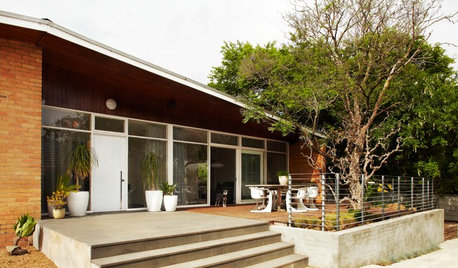
GARDENING AND LANDSCAPINGTake Back Your Front Yard: 8 Ways to Make It Social
If only trees and squirrels gather in your front yard, you're missing out on valuable socializing space. Here's how to remedy that
Full Story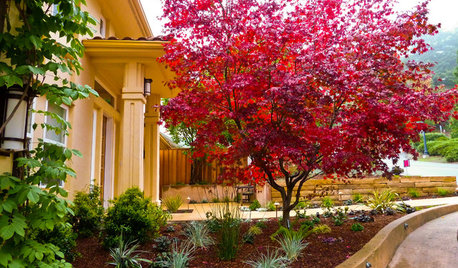
LANDSCAPE DESIGN7 Great Trees for Summer Shade and Fall Color
These landscape-pro faves straddle the seasons beautifully. Could one enhance your own yard?
Full Story
SIDE YARD IDEASNarrow Trees for Tight Garden Spaces
Boost interest in a side yard or another space-challenged area with the fragrance and color of these columnar trees
Full Story
EDIBLE GARDENSHow to Grow 10 Favorite Fruit Trees at Home
Plant a mini orchard in fall, winter or early spring to enjoy fresh-off-the-tree fruit the following year
Full Story
GARDENING GUIDESHow to Keep Your Citrus Trees Well Fed and Healthy
Ripe for some citrus fertilizer know-how? This mini guide will help your lemon, orange and grapefruit trees flourish
Full Story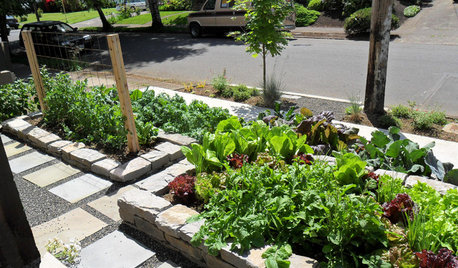
FRONT YARD IDEASWelcome Edibles Into the Front Yard for Fresh Food and More
Give your front yard design a boost and maybe even make new friends by growing fruits and vegetables
Full Story
CURB APPEAL7 Ways to Create a Neighborly Front Yard
Foster community spirit by setting up your front porch, paths and yard for social interaction
Full Story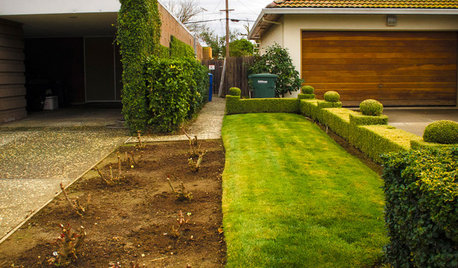
EXTERIORSWhere Front Yards Collide: Property Lines in Pictures
Some could be twins; others channel the Odd Couple. You may never look at property boundaries the same way again
Full Story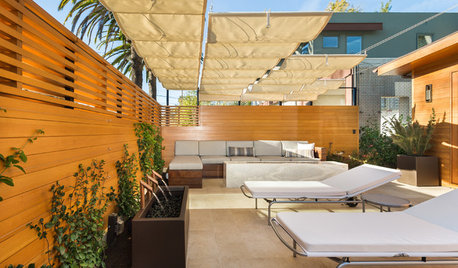
PATIOSPatio Details: A Relaxing Front-Yard Retreat in Los Angeles
A retractable awning, a water feature and an onyx fire feature transform a formerly unused front yard on a busy street
Full Story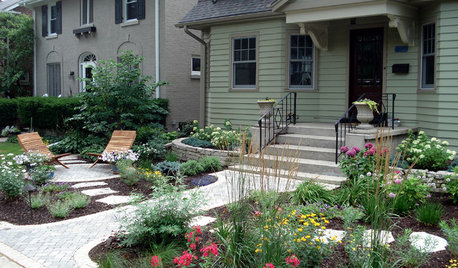
MOST POPULARCreative Ideas for Small Front Yards
A little imagination goes a long way in a petite landscape
Full Story


ziggy___
Dibbit
Related Professionals
DeRidder Landscape Architects & Landscape Designers · Beaumont Landscape Architects & Landscape Designers · Springfield Landscape Architects & Landscape Designers · Monroe Landscape Architects & Landscape Designers · Farmington Landscape Architects & Landscape Designers · Palm Bay Landscape Contractors · Hattiesburg Landscape Contractors · Jackson Landscape Contractors · Evanston Landscape Contractors · London Landscape Contractors · Crestview Home Additions · Lufkin Home Additions · Enfield Home Additions · New York City Home Additions · Honolulu Home Additions