

too much phosphorus
17 years ago
Sort by:Oldest
Comments (9)
Related Stories
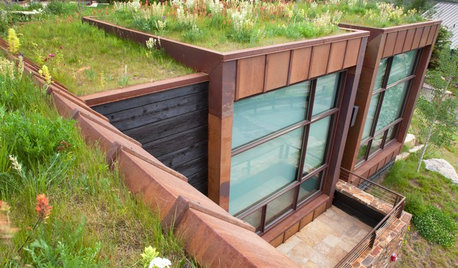
GREEN BUILDING6 Green-Roof Myths, Busted
Leaky, costly, a pain to maintain ... nope, nope and nope. Get the truth about living roofs and see examples from simple to elaborate
Full Story
GARDENING GUIDESThe Poop Scoop: Enrich Your Soil With Good Old Manure
Get over the ick factor already — this natural super-ingredient for soil has so many benefits, you'll wonder why you ever went chemical
Full Story
GARDENING GUIDESHow to Keep Your Citrus Trees Well Fed and Healthy
Ripe for some citrus fertilizer know-how? This mini guide will help your lemon, orange and grapefruit trees flourish
Full Story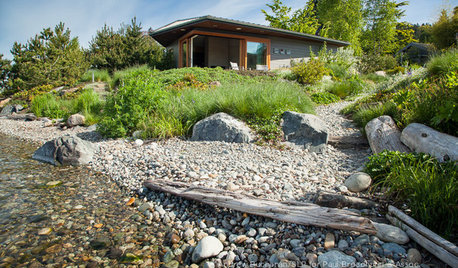
INSPIRING GARDENSLawn Gives Way to a More Natural Lakeside Garden
Meadow grasses, beach pebbles and driftwood replace turfgrass in a nature-friendly landscape on Lake Washington’s shore
Full Story
FARM YOUR YARDIf You Have Room for Only One Summer Crop ...
Get an edible that’s long on flavor even if you’re short on space, with a long-time gardener’s favorite picks
Full Story
HEALTHY HOMEWhat You Need to Know About Dust and How to Fight It
Breathe easier with these 10 tips for busting mites, dander and other microscopic undesirables
Full Story
GARDENING GUIDESGarden Myths to Debunk as You Dig This Fall and Rest Over Winter
Termites hate wood mulch, don’t amend soil for trees, avoid gravel in planters — and more nuggets of garden wisdom
Full Story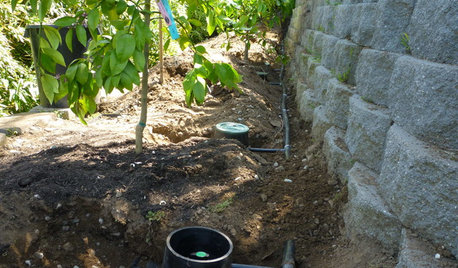
EARTH DAYGrow a Beautiful Garden With Ecofriendly Greywater
Reducing home water waste means lower bills and a healthier planet. Here's how to set up a greywater home irrigation system that can help
Full Story
URBAN GARDENSContainers Make Growing Edibles a Cinch
If life hands you a lack of land, grow lemons — with a few basics, you can proudly reap the fruits, veggies and herbs of your labor
Full Story
GARDENING GUIDESLearn the Secret to Bigger and Better Roses
Grow beautiful roses using both ordinary and unusual soil amendments
Full Story
Kimmsr
Michael
Related Professionals
Roanoke Landscape Architects & Landscape Designers · Buffalo Landscape Architects & Landscape Designers · Madison Landscape Architects & Landscape Designers · Missoula Landscape Architects & Landscape Designers · Portland Landscape Architects & Landscape Designers · Sedalia Landscape Contractors · Cookeville Landscape Contractors · Kankakee Landscape Contractors · Eau Claire Landscape Contractors · Wausau Landscape Contractors · Bainbridge Stone, Pavers & Concrete · Lafayette Stone, Pavers & Concrete · Albany Stone, Pavers & Concrete · Riverside Stone, Pavers & Concrete · Farmington Stone, Pavers & Concretegargwarb
Kimmsr
gargwarb
Michael
gargwarb
Kimmsr
ericwi