

Myccorhizae - Compost And A Drip System
16 years ago
Sort by:Oldest
Comments (9)
Related Stories

GARDENING GUIDESGet on a Composting Kick (Hello, Free Fertilizer!)
Quit shelling out for pricey substitutes that aren’t even as good. Here’s how to give your soil the best while lightening your trash load
Full Story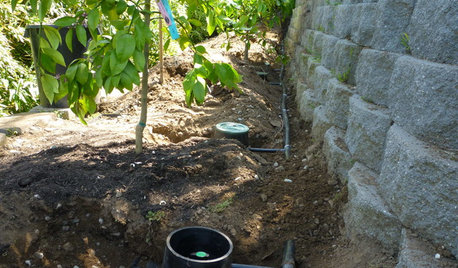
EARTH DAYGrow a Beautiful Garden With Ecofriendly Greywater
Reducing home water waste means lower bills and a healthier planet. Here's how to set up a greywater home irrigation system that can help
Full Story
GARDENING GUIDESSouthwest Gardener's March Checklist
Dust off your gardening tools and get busy pruning to help your trees and plants reach their full potential
Full Story
GARDENING GUIDESCalifornia Gardener: What to Do in July
Active green thumb or not, top priorities for peak fruit and veggie season: watering, feeding, keeping up with growth
Full Story
FALL GARDENING7 Reasons Not to Clean Up Your Fall Garden
Before you pluck and rake, consider wildlife, the health of your plants and your own right to relax
Full Story
FALL GARDENINGMake This Fall’s Garden the Best Ever
Learn the most important tip for preventing buyer’s remorse, plus get more valuable buying and planting advice
Full StoryEDIBLE GARDENSSummer Crops: How to Grow Tomatoes
Plant tomato seedlings in spring for one of the best tastes of summer, fresh from your backyard
Full Story
FARM YOUR YARDHow to Grow Vegetables in Containers
Get glorious vegetables and fruits on your patio with a pro’s guidance — including his personal recipe for potting mix
Full Story
SAVING WATERXeriscape Gardens: How to Get a Beautiful Landscape With Less Water
Conserve water and make gardening much easier with the xeriscape approach’s 7 principles
Full Story
HEALTHY HOME6 Tips From a Nearly Zero-Waste Home
Lower your trash output and increase your quality of life with these ideas from a mom who did it to the max
Full Story
borderbarb
sandhill_farmsOriginal Author
Related Professionals
Houma Landscape Architects & Landscape Designers · New Orleans Landscape Architects & Landscape Designers · Fredericksburg Landscape Architects & Landscape Designers · Rockford Landscape Architects & Landscape Designers · Lebanon Landscape Architects & Landscape Designers · Yuba City Landscape Architects & Landscape Designers · Lubbock Landscape Architects & Landscape Designers · Kalispell Landscape Architects & Landscape Designers · Honolulu Landscape Architects & Landscape Designers · Scranton Landscape Contractors · Rutland Landscape Contractors · Jackson Stone, Pavers & Concrete · Oxford Stone, Pavers & Concrete · Vineland Stone, Pavers & Concrete · Middletown Stone, Pavers & ConcreteUser
Kimmsr
User
Kimmsr
sandhill_farmsOriginal Author
borderbarb
sandhill_farmsOriginal Author