

Rotten tomatoes
17 years ago
Sort by:Oldest
Comments (10)
Related Stories
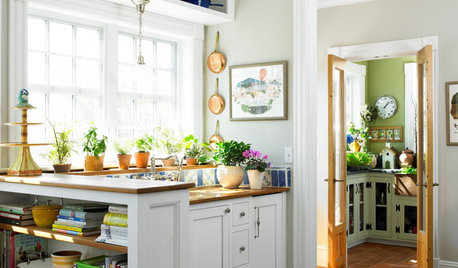
HEALTHY HOME12 Ways to Set Up Your Kitchen for Healthy Eating
Making smart food choices is easier when your kitchen is part of your support team
Full Story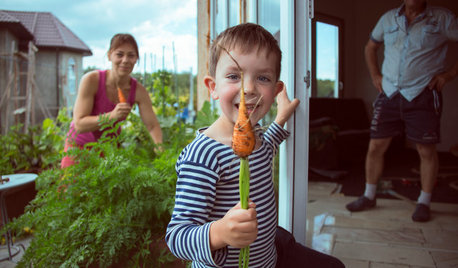
GARDENING AND LANDSCAPINGWorld of Design: 10 Home Gardeners Show Us Their Sweet Summer Harvests
From New York to Tokyo, these gardeners have turned their yards, terraces and rooftops into places of bounty
Full Story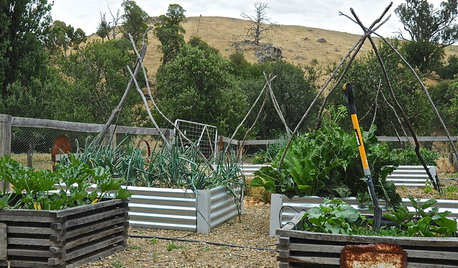
FARM YOUR YARD9 Ways to Change Up Your Vegetable Garden for the Coming Season
Try something new for edible plantings that are more productive than ever
Full Story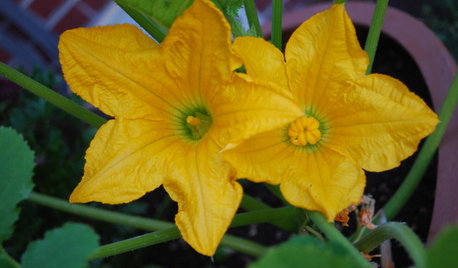
EDIBLE GARDENSSummer Crops: How to Grow Squash
Almost foolproof and with cheerful flowers, squash comes in a wide range of varieties to plant in spring
Full Story
GARDENING AND LANDSCAPING9 Ways to Enjoy Gardening More This Summer
Catch the rain, go vertical, add a gabion, grow vegetables out front and more
Full Story
HOUZZ TOURSHouzz Call: Show Us Your Farmhouse!
Bring on the chickens and vegetable patches. If your home speaks country, it might appear in a featured ideabook
Full Story
KITCHEN DESIGN7 Steps to Pantry Perfection
Learn from one homeowner’s plan to reorganize her pantry for real life
Full Story
GARDENING GUIDESOrganic Matters: Thwart Insect Pests With Trap Crops
Add a few sacrificial plants to your garden to lure insects away from the harvest
Full Story
KITCHEN DESIGNGet Ideas from 10 Kitchen Makeovers
Share your thoughts on gorgeous kitchen transformations from Boston to Bristol. Which is your favorite?
Full Story
FURNITURESecond-Life Sofas Show First-Rate Style
With unexpected upholstery, antique sofas can live happily in modern interiors
Full Story
gardenlen
robertz6
Related Professionals
Zanesville Landscape Architects & Landscape Designers · Richmond Landscape Architects & Landscape Designers · Sioux City Landscape Architects & Landscape Designers · Elgin Landscape Architects & Landscape Designers · Mission Viejo Landscape Architects & Landscape Designers · El Paso Landscape Architects & Landscape Designers · Spokane Landscape Architects & Landscape Designers · Kissimmee Landscape Contractors · Savannah Landscape Contractors · Charlotte Landscape Contractors · Portland Landscape Contractors · Salt Lake City Landscape Contractors · Olympia Landscape Contractors · Vancouver Landscape Contractors · Muskegon Stone, Pavers & Concretegjcore
steve2416
Kimmsr
Lloyd
User
rj_hythloday
joe.jr317
diggerdee zone 6 CT