Software
Houzz Logo Print
rugen_gw

River Birch Problem

18 years ago

I've got something going on in my River Birch tree that I've never seen before. I hope that one of you can tell what's going on and what to do about it. I live in north Georgia.

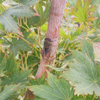
I'm not sure what's on the underside of the leaves. It looks like some time of larvae perhaps? A lot of the leaves that are gnarled just have white powdery clumps on the underside, but some of them, like this one, have something else. Unfortunately, this one is on a leaf that I can't reach, so I can't get a better look.

{{gwi:365774}}

There are lady bugs on the tree.

{{gwi:365775}}

There are also some bugs like this one.

{{gwi:365776}}

On the leaves that aren't gnarled, there are white spots.

{{gwi:365777}}

Thanks.

Comments (12)

  • 18 years ago

    Same thing on mine -- some type of sucking scale-insect under the leaves (as seen in the first pic). Had it last yr too. Ladybugs do feed on them & reduced them to just a few by midsummer last yr. But the curled leaves won't recover.

    Try googling "scale insect".

  • 18 years ago

    Rugen

    Foliage pests like what you've got here are almost never a serious issue. Trees have evolved to easily handle having some of their leaves chewed, sucked on, or otherwise mangled.

    It's borers and pests that destroy root systems that are cause for concern. I'd not do anything, especially with an insecticide for this issue. Let the lady beetles proliferate and lay eggs. That way, the control will be in place for next year.

    +oM

  • 18 years ago

    Thanks!

  • 18 years ago

    +om: I'm confused.

    How will encouraging ladybugs to lay eggs this year control ladybugs next year? I thought ladybugs were beneficial insects, but they are gnawing the new emerging leaves on my seedlings, especially the oaks.

  • 18 years ago

    I don't believe ladybugs eat anything but other bugs.

  • 18 years ago

    Indeed Pam.......you are confused;^)

    What I meant was that the ladybugs, whose larval form are voracious predators, may be eating whatever type of scale or aphid is afflicting this trees foliage. Upon further review of the close-up pic Rugen provided, I do believe we've got a simple aphid infestation going on here. Many insecticides will kill aphids, but I'm advising they not be used, firstly, because aphids are a minor problem in such cases, and secondly, because a good, natural control -ladybugs-is already present-and will be killed by the insecticides as well if applied.

    Hope this helps......+oM

  • 18 years ago

    This is not caused by aphids. They are Birch Leafminers. If you like the ladybugs they will help to some extent but not aleviate the problem entirely. Try using a systemic and spray. I had the same problem 2 weeks ago. My tree is totally recovered.

    Donald
    Worcester, MA

  • 18 years ago

    Pam here are some facts on ladybugs:

    Most all Ladybugs (aka Ladybird Beetles) are predators of Hemiptera bugs and are very beneficial to trees, garden plants, farmers crops in general, as they feed on aphids, scale insects, mealybugs, and mites throughout the year.

    Predatory ladybirds are usually found on plants where aphids or scale insects are. Most coccinellids mate in spring or summer and the female lays a cluster of eggs (numbering from a few to a few hundred, depending on species) as near as possible to an aphid colony, to increase the likelihood the larvae will find the prey easily. In most species these eggs hatch into a larval state within a week.

    The Mall of America, releases thousands of ladybugs into its indoor park as a natural means of pest control for its gardens. Some people consider seeing them or having them land on one's body to be a sign of good luck to come, and that killing them presages bad luck.

    The ladybug is the official state insect of Delaware, Massachusetts, New Hampshire, Ohio, and Tennessee.

    Apart from these largely beneficial species, there are a few herbivorous ladybugs which feed exclusively on the leaves and shoots of plants. These all belong to a separate sub-family called Epilachninae and some members of this group found in Europe and North America can be destructive to the foliage of potatoes, cucumbers and other crops. You may have seen one of these or another similar beetle that looks kind of like a Ladybug on your Oaks Pam.

    So don't kill ladybugs unless you are for sure it is one of the very few herbivorous ones. Some orange, widespread, very beneficial, and introduced Asian ones can look like herbivorous ladybugs so don't confuse them.

    Here is a link that might be useful: The more rare herbivorous ladybugs pictures

  • 18 years ago

    Donaldb

    I disagree with your disagreement. The puckering, blister-like appearance is classic for aphid damage. They extract the juice from leaf cells, causing this distortion. There may well be some leafminer damage present as well, but the main issue, as related in the OP, is indeed aphid damage.

    +oM

  • 6 years ago

    I experienced the same issues last year to the extent of nearly every leaf on the tree damaged. I looked for a way to deter the ladybug as it appeared their egg laying was the problem. I used a fresh ground cloves and bay leaves put in nylons and hung from the tree. I would periodically take the pouch and shake it over other areas of the tree. It worked and the leaves came back a month or so later and the river birch looked hardy after that.

  • 6 years ago
    last modified: 6 years ago

    The bags of stuff you hung or waved over the trees did nothing

    ===>>>

    how the hell do you know that gal ... maybe she is a witch ... and has some herbal remedies your schooling hasnt taught you ...

    what i want to know.. is what were the magic words used in association ... lol ... she may be onto something here... maybe it was a ladybug aphrodisiac ???/

    ken


    come on nose spiders ... https://www.youtube.com/watch?v=0x3uJSrVcpM