

Using Lactobacillus in a compost bin?
14 years ago
Featured Answer
Sort by:Oldest
Comments (10)
 14 years ago
 14 years ago
Related Professionals
Tallahassee Landscape Architects & Landscape Designers · Elizabethtown Landscape Architects & Landscape Designers · Alexandria Landscape Architects & Landscape Designers · Cherry Hill Landscape Architects & Landscape Designers · York Landscape Architects & Landscape Designers · Georgetown Landscape Architects & Landscape Designers · Hartford Landscape Architects & Landscape Designers · Nashua Landscape Architects & Landscape Designers · Little Rock Landscape Contractors · Athens Landscape Contractors · Charleston Landscape Contractors · Helena Landscape Contractors · Murfreesboro Stone, Pavers & Concrete · Chico Stone, Pavers & Concrete · Ottawa Stone, Pavers & Concrete- 14 years ago
- 14 years ago
 14 years ago
- 14 years ago
- 14 years ago
- 14 years ago
- 11 years ago
Related Stories

GARDENING GUIDESHouzz TV: Make a Worm Bin for Rich Soil and Happy Plants
A worm-powered compost bin that can fit under a sink turns food scraps into a powerful amendment for your garden. Here’s how to make one
Full Story
GARDENING GUIDESGet on a Composting Kick (Hello, Free Fertilizer!)
Quit shelling out for pricey substitutes that aren’t even as good. Here’s how to give your soil the best while lightening your trash load
Full Story
GARDENING AND LANDSCAPINGLet's Talk Trash Bins
No one gazes fondly on garbage cans. Keep your street cred intact and your bins under wraps with these camouflage solutions
Full Story
INSIDE HOUZZUsing Houzz: Create a Home To-Do List
See how to use an ideabook to keep track of your home projects this year
Full Story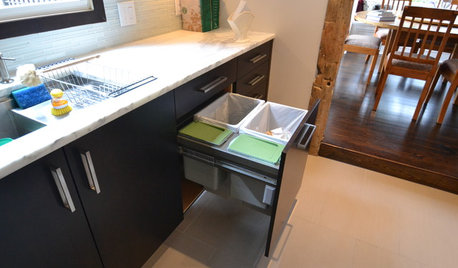
SHOP HOUZZShop Houzz: 4 Ways to Show You Really Love Our Planet
Compost, recycle and save water and energy with these earth-loving picks
Full Story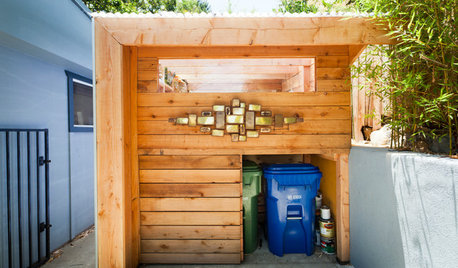
CURB APPEALHouzz Call: How Do You Hide Your Trash?
No one wants to see those trash and recycling bins. So where do you stash them while you wait for the garbage truck? Show us your designs!
Full Story
GARDENING GUIDESHow to Switch to an Organic Landscape Plan
Ditch the chemicals for a naturally beautiful lawn and garden, using living fertilizers and other nontoxic treatments
Full Story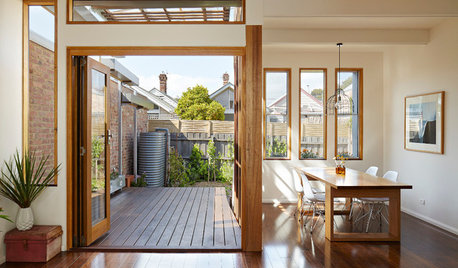
SAVING WATER11 Ways to Save Water at Home
Whether you live in a drought-stricken area or just want to help preserve a precious resource, here are things you can do to use less water
Full Story
KITCHEN DESIGN12 Items Worth a Spot on Your Kitchen Counter
Keep these useful tools and accessories out in the open to maintain high function without spoiling the view
Full Story
PRODUCT PICKSGuest Picks: Earth-Friendlier Finds for the Home
Reduce paper and plastic use the simple, stylish way with ecoconscious kitchen, laundry and bathroom items
Full Story
Kimmsr