

Solarize soil?
17 years ago
Sort by:Oldest
Comments (3)
Related Stories
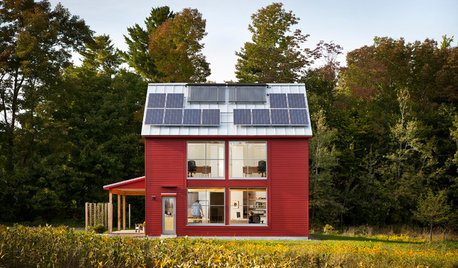
GREEN BUILDINGGoing Solar at Home: Solar Panel Basics
Save money on electricity and reduce your carbon footprint by installing photovoltaic panels. This guide will help you get started
Full Story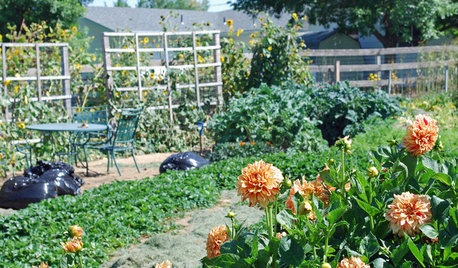
GARDENING GUIDESTackle Weeds the Natural Way
Instead of dousing your yard with chemicals to wipe out weeds, let time and nature work their magic via smothering and solarization
Full Story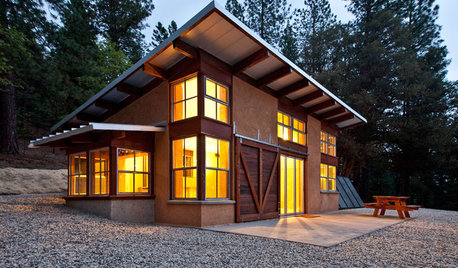
HOUZZ TOURSHouzz Tour: California Cabin Ditches the Power Grid
Solar energy powers a modern, expandable vacation house among the trees for a family with two children
Full Story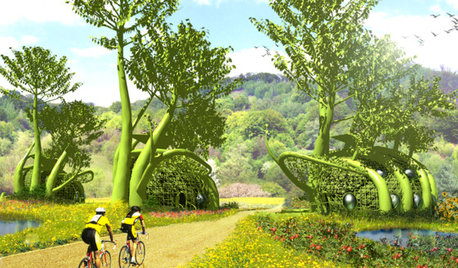
EVENTSOn Show: Weird, Wondrous Science Meets Design
Houses grown, not built. Power-generating soil. And snail poop that ... well, see for yourself in our coverage of a new Rotterdam exhibit
Full Story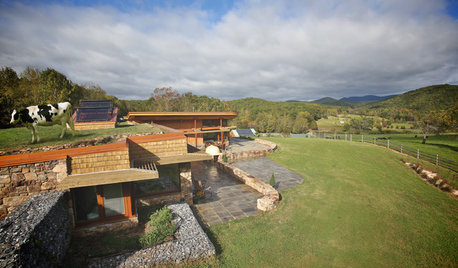
HOUZZ TOURSHouzz Tour: A Self-Sufficient Farmhouse With a Sheep-Pasture Roof
LEED Platinum certification and a soil-covered top make this pastoral Virginia home green in more ways than one
Full Story
THE ART OF ARCHITECTUREFinding the Perfect Home for a New House
Sun, soil, water, topography and more offer important cues to siting your house on the land
Full Story
EDIBLE GARDENSNatural Ways to Get Rid of Weeds in Your Garden
Use these techniques to help prevent the spread of weeds and to learn about your soil
Full Story
REMODELING GUIDESLiving Roofs Crown Green Design
Living roofs save energy, improve air, water, curb appeal — and the view from above doesn't hurt either
Full Story
LANDSCAPE DESIGNDesign Workshop: How to Analyze Your Outdoor Site
Getting to know your site is the first step to creating a wonderful garden. Follow this 10-point checklist to get it right
Full Story
FARM YOUR YARDHow to Grow Vegetables in Containers
Get glorious vegetables and fruits on your patio with a pro’s guidance — including his personal recipe for potting mix
Full Story
Kimmsr
bob64
Related Professionals
Tupelo Landscape Architects & Landscape Designers · Hartford Landscape Architects & Landscape Designers · Lewiston Landscape Architects & Landscape Designers · Saginaw Landscape Architects & Landscape Designers · Middletown Landscape Architects & Landscape Designers · Orange County Landscape Architects & Landscape Designers · Somerset Landscape Contractors · Portland Landscape Contractors · Saginaw Landscape Contractors · Fort Collins Landscape Contractors · Wilmington Stone, Pavers & Concrete · Aiken Stone, Pavers & Concrete · Fall River Stone, Pavers & Concrete · Saginaw Stone, Pavers & Concrete · Everett Stone, Pavers & Concretetoxcrusadr