

I really screwed up this time
18 years ago
Sort by:Oldest
Comments (8)

Related Stories

DIY PROJECTSThe Taming of the Screw
Learn the different types and uses of screws to pick the right kind for your next DIY or home improvement project
Full Story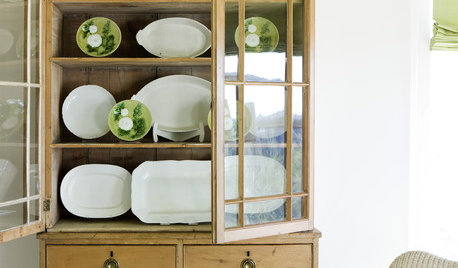
DECORATING GUIDESJazz Up Your Dining Room for Less Than $500
New lighting, colorful dishware, fun fabrics and other small updates add up to a big-time facelift on a little bitty budget
Full Story
HOUSEKEEPINGClean Up Your Cleanup Zones
Make chore time more pleasant by tidying up your laundry room and updating cleaning tools
Full Story
GARDENING AND LANDSCAPINGSpring Patio Fix-Ups: 6 Ways to Light Your Outdoor Room
Let the good times roll well into the evening with string lights, sconces, pendants and more to illuminate your patio or deck
Full Story
FURNITURENew Looks for Time-Honored Murphy Beds
Check out inventive adaptations of this classic space saver, from a motorized version to a bed on a dance floor
Full Story
LANDSCAPE DESIGNIs It Time to Consider Fake Grass?
With more realistic-looking options than ever, synthetic turf can be a boon. Find the benefits and an installation how-to here
Full Story
BASEMENTSDesign Workshop: Is It Time to Let Basements Become Extinct?
Costly and often unnecessary, basements may become obsolete — if they aren’t already. Here are responses to every reason to keep them around
Full Story
FALL GARDENINGWhy Fall Is the Best Time for Planting
Spring is overrated for planting. Starting plants in autumn has advantages for both garden and gardener
Full Story
REMODELING GUIDESTransition Time: How to Connect Tile and Hardwood Floors
Plan ahead to prevent unsightly or unsafe transitions between floor surfaces. Here's what you need to know
Full Story
LIGHTINGWhy It’s High Time to Reconsider Flush-Mount Lights
Look past your negative perceptions and see how versatile these lights can be
Full Story
Kimmsr
dirtmecnanic
Related Professionals
Pine Bluff Landscape Architects & Landscape Designers · Savannah Landscape Architects & Landscape Designers · Springfield Landscape Architects & Landscape Designers · Scranton Landscape Architects & Landscape Designers · Wenatchee Landscape Architects & Landscape Designers · Marietta Landscape Contractors · Lafayette Landscape Contractors · Worcester Landscape Contractors · Olean Landscape Contractors · Helena Landscape Contractors · Hilo Landscape Contractors · Brunswick Stone, Pavers & Concrete · Dayton Stone, Pavers & Concrete · Rochester Stone, Pavers & Concrete · Milwaukee Stone, Pavers & Concretesmokensqueal
toxcrusadr
kqcrna
rj_hythloday
jbest123Original Author
buford