

SALT in Food
17 years ago
Sort by:Oldest
Comments (9)
Related Stories
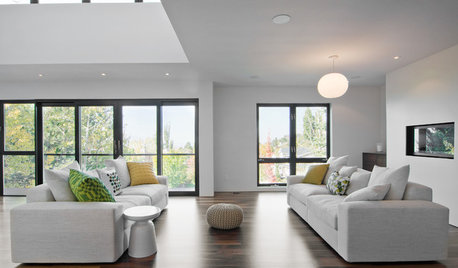
HOUZZ TOURSMy Houzz: Pure Simplicity Reigns in Salt Lake City
Minimalist style puts dynamic architecture and hillside views front and center in a renovated Utah home
Full Story
PRODUCT PICKSGuest Picks: Food Lover's Holiday Gift Guide
20 gifts for the aspiring chef, amateur baker or holiday hostess on your list
Full Story
KITCHEN DESIGNWorld of Design: Favorite Recipes From Food Lovers Around the Globe
Travel with your tastebuds and experience for yourself these international foodies' favorite dishes
Full Story
FARM YOUR YARDHello, Honey: Beekeeping Anywhere for Fun, Food and Good Deeds
We need pollinators, and they increasingly need us too. Here, why and how to be a bee friend
Full Story
SMALL SPACESCottages: The Comfort Food of Architecture
Soul satisfying and as snug as a favorite sweater, a cottage knows how to roll out the welcome mat
Full Story
HOUZZ TOURSMy Houzz: Clutter-Free Minimalism for a Converted Brick Storefront
Open and bright, this Salt Lake City home exudes calmness, simplicity and comfort
Full Story
HOMES AROUND THE WORLDHousehold Habits and Customs to Borrow From Other Countries
Discover why salt may be the perfect house-warming gift, how to clean rugs in snow and why you should invest in a pair of ‘toilet slippers’
Full Story
LIFEDo You Believe in Luck Around the House?
Broken mirrors, spilled salt, an unavoidable ladder — superstitions don't seem to affect this homeowner. Knock wood
Full Story
HOUZZ TOURSMy Houzz: Contemporary Home Hugs a Central Courtyard
An architect's Salt Lake City home celebrates outdoor living in a beautiful blend of modern and organic styles
Full Story
HOUZZ TOURSMy Houzz: Making Room for 3 Generations
A Salt Lake City home creates privacy and independence for grandparents, parents, kids and dogs
Full Story
ericwi
bbalasOriginal Author
Related Professionals
Lake Charles Landscape Architects & Landscape Designers · Oneonta Landscape Architects & Landscape Designers · Wheeling Landscape Architects & Landscape Designers · Oxnard Landscape Architects & Landscape Designers · Palm Desert Landscape Architects & Landscape Designers · South Sioux City Landscape Contractors · Potsdam Landscape Contractors · Providence Landscape Contractors · Orlando Stone, Pavers & Concrete · Dalton Stone, Pavers & Concrete · Monroe Stone, Pavers & Concrete · Gulfport Stone, Pavers & Concrete · Kalamazoo Stone, Pavers & Concrete · Yuba City Stone, Pavers & Concrete · Bend Stone, Pavers & Concretetapla (mid-Michigan, USDA z5b-6a)
Lloyd
bbalasOriginal Author
bbalasOriginal Author
ericwi
bbalasOriginal Author
User