

No-till spring garden prep
14 years ago
Sort by:Oldest
Comments (5)
Related Stories

SHOP HOUZZShop Houzz: Prep Your Garden and Patio for Spring
Everything to cultivate a green outdoor oasis — and to sit back and enjoy it
Full Story0

GARDENING GUIDESHow to Prep Your Ground for a Healthy New Lawn
Seed or sod that falls on weedy, lumpy soil is a wasted effort. Follow these steps to ensure that your new lawn will thrive
Full Story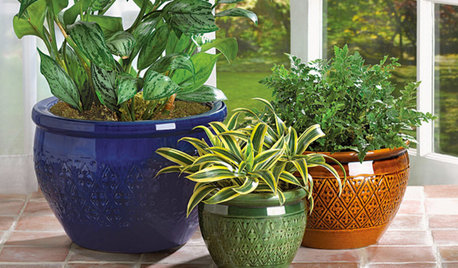
SHOP HOUZZShop Houzz: Prep Your Garden and Patio
Plan for spring now by getting your potting tools, accessories and patio furniture in order
Full Story0
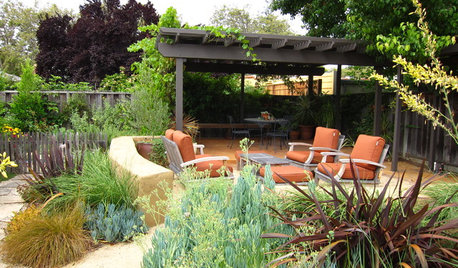
GARDENING GUIDESWhat Are Your Spring Gardening Plans?
Tearing out the lawn? Planting edibles? Starting from scratch? Tell us what you plan to change in your garden this year
Full Story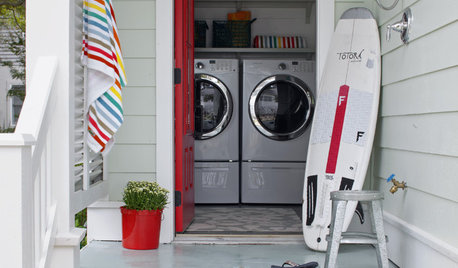
GARDENING AND LANDSCAPINGGet a Jump on Summer Prep for Home and Garden
Pick from these 16 things to do now — from hanging a hammock to bug-proofing screens — to maximize summer's sweetness
Full Story
SHOP HOUZZShop Houzz: Prep Your Potting Shed
Create a workspace for every season with a potting bench, storage and garden decor
Full Story0
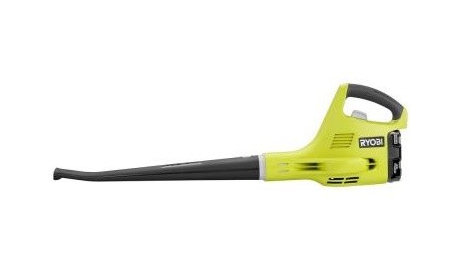
FALL GARDENING8 Must-Have Tools for Fall Backyard Prep
Autumn outdoor work feels overwhelming, but these handy tools can keep it under control
Full Story
GARDENING AND LANDSCAPING12 Ways to Prep the Porch for Summer
Small Floor-to-Ceiling Projects for Your Front-Yard Perch
Full Story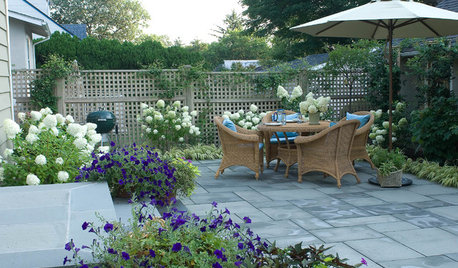
GARDENING AND LANDSCAPINGGet It Done: Clean and Prep the Patio
Haul out the hose and bid cobwebs farewell. It's time to renew your outdoor room for relaxing, dining and entertaining
Full Story
MOST POPULARSpring Gardens Are Blooming — Here’s What to Do in April
Get the guide you need for gardening in your U.S. region, with tasks, climate-appropriate plantings and more
Full StorySponsored

Columbus Design-Build, Kitchen & Bath Remodeling, Historic Renovations
jolj
luckygal
Related Professionals
New Orleans Landscape Architects & Landscape Designers · Anniston Landscape Architects & Landscape Designers · Coldwater Landscape Architects & Landscape Designers · Wenatchee Landscape Architects & Landscape Designers · Kansas City Landscape Contractors · Miami Landscape Contractors · Barnstable Landscape Contractors · Trenton Landscape Contractors · Cleveland Landscape Contractors · Burlington Landscape Contractors · Montgomery Stone, Pavers & Concrete · Wilmington Stone, Pavers & Concrete · Atlantic City Stone, Pavers & Concrete · Middletown Stone, Pavers & Concrete · Santa Barbara Stone, Pavers & ConcreteKimmsr
josko021Original Author
RpR_