

roses and tomatoes
19 years ago
Sort by:Oldest
Comments (8)
Related Stories
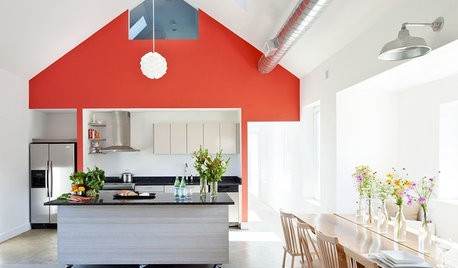
COLOR10 Reasons to Make a Splash With Tomato Red
You won’t duck at these tomatoes. See how bold red shades can play up architecture, light up a dark spot and add drama
Full Story
GARDENING GUIDESCalifornia Gardener's June Checklist
Update your hydrangeas, catch up on tomatoes and more ways to enjoy your California garden in June
Full Story
FARM YOUR YARDHouzz Call: Home Farmers, Show Us Your Edible Gardens
We want to see where your tomatoes, summer squashes and beautiful berries are growing this summer
Full Story
GARDENING GUIDESSouthwest Gardener's April Checklist
Welcome the return of roses and herbs, and consider a new use for vines as you rejoice in your newly green spring garden
Full Story
GARDENING GUIDESTexas Gardener's February Checklist
Show roses some love around Valentine's Day and set the stage for future garden growth with seeds and starts
Full Story
CALIFORNIA GARDENINGCalifornia Gardener's May Checklist
Only one major chore but a plethora of planting possibilities means a delightful month in California gardens
Full Story
GARDENING GUIDESSouthwest Gardener's June Checklist
Protect your plants from too much sun while waiting for rain relief, and guess what? Those cacti might need a drink
Full Story
GARDENING GUIDESNorthern California Gardener's October Checklist
It's still a great time to plant flowers, vegetables and even bulbs in California gardens this month, thanks to predictably mild weather
Full Story
BUDGET DECORATINGEasy Ways to Hide Your Home's Flaws
Clever concealing and distracting tactics help put your home's best face forward
Full Story
CALIFORNIA GARDENINGCalifornia Gardener's April Checklist
Outsmart droughts with water-savvy plants and sustainable approaches that suit the landscape
Full Story


michaelg
hoovb zone 9 sunset 23
Related Professionals
Miami Landscape Architects & Landscape Designers · Atlantic City Landscape Architects & Landscape Designers · Madison Landscape Architects & Landscape Designers · Lawrenceburg Landscape Contractors · Norfolk Landscape Contractors · Trenton Landscape Contractors · Rutland Landscape Contractors · Middletown Home Builders · Frederick Home Builders · Abilene Home Builders · Pittsfield Home Builders · Fargo Home Builders · Laconia Home Builders · Yakima Home Builders · Casper Home Buildersmike_rivers
karl_bapst_rosenut
judith5bmontreal
anntn6b
eileen_gardenerOriginal Author
judith5bmontreal