

Adding N using fertilizer or Bloodmeal
19 years ago
Sort by:Oldest
Comments (10)
Related Stories

GARDENING GUIDESGet on a Composting Kick (Hello, Free Fertilizer!)
Quit shelling out for pricey substitutes that aren’t even as good. Here’s how to give your soil the best while lightening your trash load
Full Story
GARDENING GUIDES5 Prairie Wildflowers That Can Heal Your Soil
Get free, organic soil fertilizer with nitrogen-pumping plants that draw pollinators too
Full Story
FLOWERSHerb Garden Essentials: Grow Your Own Fragrant Lavender
This do-it-all plant is ideal for almost any garden, and its uses are abundant around the home
Full Story
EDIBLE GARDENSNatural Ways to Get Rid of Weeds in Your Garden
Use these techniques to help prevent the spread of weeds and to learn about your soil
Full Story
FALL GARDENING5 Ways to Put Fall Leaves to Work in Your Garden
Improve your soil and yard the organic way with a valuable garden booster that grows on trees
Full Story
GARDENING GUIDESSpring Citrus Care Reaps Months of Sweet Rewards
Learn how to tend citrus trees in spring and ways to preserve their delicious fruit
Full Story
GARDENING GUIDESGreat Design Plant: Nolina Microcarpa
Grass-like beargrass with its curlicue tips adds lovely texture to drought-tolerant Southwest gardens
Full Story
EDIBLE GARDENSGrow Plum Hybrids for Your Favorite Fruit Flavors
Plums are cozying up with apricots, peaches and even cherries — here’s how to grow these hybrids for the best aspects of each
Full Story
GARDENING GUIDES9 Low-Growing Hedges That Make Good Neighbors
Define garden areas or borders without blocking the view, with these evergreen shrubs that take kindly to trimming
Full Story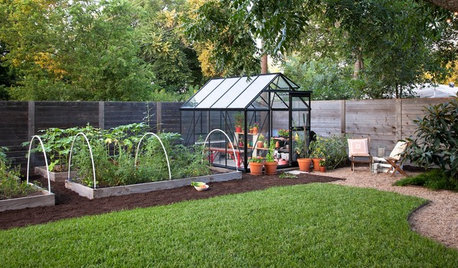
EDIBLE GARDENSA Formerly Weedy Lot Now Brims With Edibles and Honeybees
Photographers transform their barren backyard into an oasis filled with fruit, vegetables, honey, eggs and more
Full Story
joepyeweed
jbann23
Related Professionals
New Orleans Landscape Architects & Landscape Designers · Knoxville Landscape Architects & Landscape Designers · Mankato Landscape Architects & Landscape Designers · San Jose Landscape Architects & Landscape Designers · Billings Landscape Architects & Landscape Designers · York Landscape Architects & Landscape Designers · Carbondale Landscape Contractors · Tulsa Landscape Contractors · Torrington Landscape Contractors · Allentown Landscape Contractors · Mission Viejo Landscape Contractors · Kennewick Landscape Contractors · Bronx Landscape Contractors · Palm Bay Stone, Pavers & Concrete · Glenwood Springs Stone, Pavers & Concretetclynx
Kimmsr
dchall_san_antonio
kqcrna
joepyeweed
kqcrna
dchall_san_antonio
dchall_san_antonio