

Magnolia leaves
19 years ago
Featured Answer
Sort by:Oldest
Comments (7)
 19 years ago
 19 years ago
Related Professionals
Indianapolis Landscape Architects & Landscape Designers · Frisco Landscape Architects & Landscape Designers · Brooklyn Landscape Architects & Landscape Designers · Murrieta Landscape Architects & Landscape Designers · Hilo Landscape Architects & Landscape Designers · Magnolia Landscape Contractors · Annapolis Landscape Contractors · Oxford Landscape Contractors · New Braunfels Landscape Contractors · Sugar Land Landscape Contractors · Lynchburg Landscape Contractors · Martinsburg Landscape Contractors · Kalispell Landscape Contractors · Everett Stone, Pavers & Concrete · Ottawa Stone, Pavers & Concrete- 19 years ago
- 19 years ago
- 19 years ago
- 19 years ago
Related Stories
Magnolia Magic Breezes Into the Home
Real or not, the leaves and blossoms of this Southern tree infuse any room with gracious charm
Full Story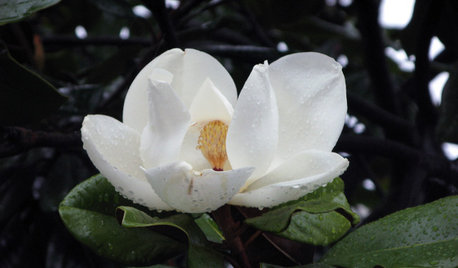
TREESGreat Design Plant: Southern Magnolia, Iconic U.S. Native
Massive, fragrant blooms and deep green leaves set Magnolia grandiflora apart from other large shade trees
Full Story
ARCHITECTUREStates of Style: Alabama’s Icons Leave Their Mark
In the first of a new series, discover the natural beauty, the architectural icons and some of our favorite homes deep in the heart of Dixie
Full Story
GARDENING AND LANDSCAPINGGreat Design Tree: Star Magnolia
Winter-blooming magnolia is a stellar plant for all seasons
Full Story
LANDSCAPE DESIGNGreat Design Plant: Saucer Magnolia
Witness its glorious spectacle in early spring, but this specimen tree brings other delightful visuals to a garden too
Full Story
FALL GARDENING11 Trees for Brilliant Fall Color
Give your landscape the quintessential look of autumn with the red, orange and yellow leaves of these standouts
Full Story
GREENColor Guide: How to Work With Green
With as many green hues as leaves in a forest, it's easy to find one that grows on you
Full Story
DECORATING GUIDESNature’s Color Wisdom: Lessons on Pink From the Great Outdoors
Leave your assumptions about pink at the princess playhouse door. Head outside instead for shades from shocking to subtle
Full Story
PLANTING IDEASBig Foliage for Small Spaces
Use bold, large-leaved plants to create intriguing contrast in a garden where they’re least expected
Full Story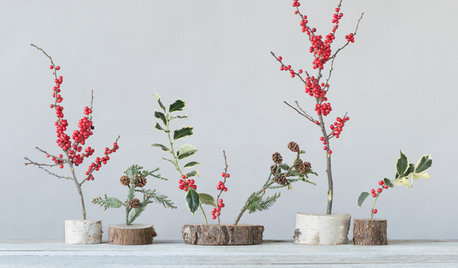
HOLIDAYS3 Recipes for Foraged Holiday Table Decor
The coauthors of ‘The Wreath Recipe Book’ suggest 3 simple table settings you can make from materials found in the yard or at the market
Full Story
petalpatsyOriginal Author