

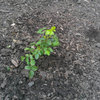
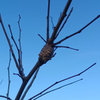
what are these worms (larvae) ?
18 years ago
Sort by:Oldest
Comments (3)
Related Stories

GARDENING GUIDESGet on a Composting Kick (Hello, Free Fertilizer!)
Quit shelling out for pricey substitutes that aren’t even as good. Here’s how to give your soil the best while lightening your trash load
Full Story
GARDENING GUIDESGreat Golden Digger Wasp: A Beneficial Flower-Visiting Insect
Introducing the great golden digger wasp, a colorful pollinator that also hunts foliage-eating insects
Full Story
GARDENING GUIDESHow to Keep Your Citrus Trees Well Fed and Healthy
Ripe for some citrus fertilizer know-how? This mini guide will help your lemon, orange and grapefruit trees flourish
Full Story
GARDENING GUIDESInvite Mining Bees to Your Garden by Planting Their Favorite Plants
Look for mining bees (Andrena) pollinating woodland wildflowers in U.S. gardens this spring
Full Story
GARDENING FOR BUTTERFLIESGarden for Wildlife to Reap Rich Rewards
When you plant with animals and insects in mind, you make gardening easier, the planet healthier and yourself more present
Full Story
WINTER GARDENINGPruning Secrets for Exquisite Roses
Encourage gorgeous blooms year after year with this time-tested advice on how to prune your rosebush in winter for health and shape
Full Story
FALL GARDENING7 Reasons Not to Clean Up Your Fall Garden
Before you pluck and rake, consider wildlife, the health of your plants and your own right to relax
Full Story
OUTDOOR PROJECTSBring In the Birds With a Homemade Bubble Rock
An avian expert from Southern Indiana shows how to make a burbling fountain that migrating birds will love
Full Story
GARDENING GUIDESCommon Myths That May Be Hurting Your Garden
Discover the truth about fertilizer, soil, staking and more to keep your plants healthy and happy
Full Story
LIFEThe Top 5 Ways to Save Water at Home
Get on the fast track to preserving a valuable resource and saving money too with these smart, effective strategies
Full Story

remy_gw
phyl345Original Author
Related Professionals
Dover Landscape Architects & Landscape Designers · Killeen Landscape Architects & Landscape Designers · Leominster Landscape Architects & Landscape Designers · Elmira Landscape Architects & Landscape Designers · Elizabeth City Landscape Contractors · Torrington Landscape Contractors · Beatrice Landscape Contractors · Saint Marys Landscape Contractors · Yuma Landscape Contractors · Chatham Landscape Contractors · Mountain Home Home Builders · Sioux City Home Builders · Rochester Home Builders · Twin Falls Home Builders · Billings Home Buildersphyl345Original Author