

Liquid Sulphur
19 years ago
Sort by:Oldest
Comments (7)

Related Stories
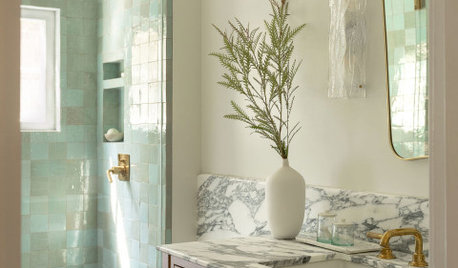
HOUSEKEEPINGHow to Clean a Glass Shower Door
See which tools and methods will keep those glass shower walls and doors sparkling clean
Full Story
ENTERTAININGA Place for Everything: Beautiful Ways to Style Your Table
Polish your silver and pull out your china as we look at how tables were laid out traditionally and how they shine now
Full Story
WINTER GARDENINGPruning Secrets for Exquisite Roses
Encourage gorgeous blooms year after year with this time-tested advice on how to prune your rosebush in winter for health and shape
Full Story
TASTEMAKERSPro Chefs Dish on Kitchens: Michael Symon Shares His Tastes
What does an Iron Chef go for in kitchen layout, appliances and lighting? Find out here
Full Story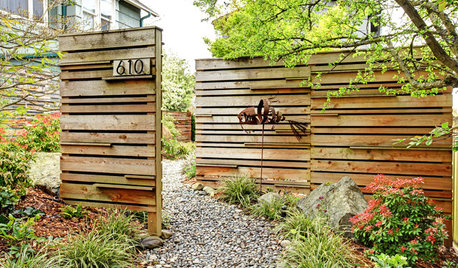
FENCES AND GATESHow to Choose the Right Fence
Get the privacy, security and animal safeguards you need with this guide to fencing options
Full Story
FARM YOUR YARDHow to Get Good Soil for Your Edible Garden
The nutrients in your soil feed the plants that feed you. Here are tips on getting it right — just in time for planting season
Full Story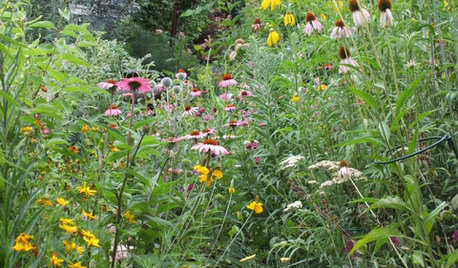
GARDENING FOR BUTTERFLIES3 Ways Native Plants Make Gardening So Much Better
You probably know about the lower maintenance. But native plants' other benefits go far beyond a little less watering and weeding
Full Story

michaelg
rose_nutty
Related Professionals
Newport News Landscape Architects & Landscape Designers · Roanoke Landscape Architects & Landscape Designers · Clearlake Landscape Architects & Landscape Designers · Albuquerque Landscape Architects & Landscape Designers · Pullman Landscape Architects & Landscape Designers · Lagrange Landscape Architects & Landscape Designers · Hot Springs Landscape Contractors · Athens Landscape Contractors · Grand Rapids Landscape Contractors · Middlesboro Home Builders · Orangeburg Home Builders · Frisco Home Builders · Lawrence Home Builders · Juneau Home Builders · La Grande Home Buildersmichaelg
mike_rivers
michaelg
Cindy EhrenreichOriginal Author
len511