

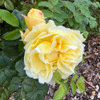
How do you root R. bracteata?
16 years ago
Sort by:Oldest
Comments (9)
Related Stories
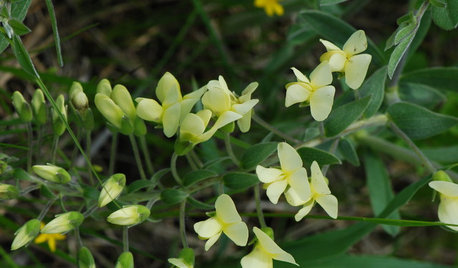
FLOWERS AND PLANTSPlant Baptisia Bracteata for Blooms Pollinators Will Love
Longbract wild indigo is great in dry soil, and its spring flowers attract butterflies and bumblebees
Full Story
ARCHITECTURERoots of Style: Do You Live in a Minimalist Traditional House?
Cottages, bungalows, farmhouses ... whatever you call them, houses in this style share several characteristics. See how many your house has
Full Story
TRADITIONAL ARCHITECTURERoots of Style: Georgian Homes Offer Familiarity Through the Ages
Americans have been embracing this interpretation of classical architecture since the 1700s. Does your home show off any Georgian details?
Full Story
MODERN HOMESHouzz Tour: A Modern Home Rooted in Its Place
It's partially buried in the earth, but with a cantilevered roof and strong colors, this Ottawa home is anything but shy
Full Story
TRADITIONAL ARCHITECTURERoots of Style: Pueblo Revival Architecture Welcomes Modern Life
Centuries-old details of adobe construction still appeal in the desert Southwest, adapted to today's tastes
Full Story
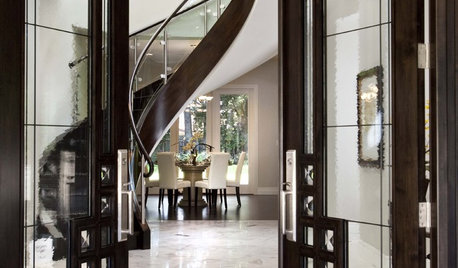
ROOTS OF STYLEArt Deco, Art Nouveau, Arts and Crafts: What’s the Difference?
If the zigzag and swirly designs of the past leave your head spinning, these descriptions will straighten you right out
Full Story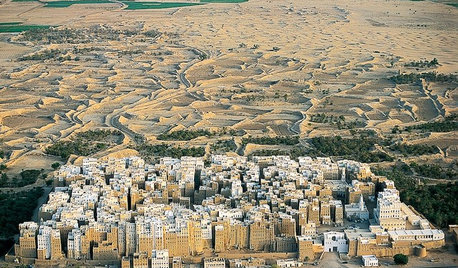
EVENTSOn Show: The Ingenuity of Ancient Architecture
A German exhibit celebrates the diversity of traditional homes built with materials at hand
Full Story
FARMHOUSESHouzz Tour: German Tradition Deep in the Heart of Texas
Rooted in architecture from the 1800s, this award-winning home mixes history with the vernacular of today
Full Story
GARDENING GUIDESGreat Design Plant: Rhus Glabra
Smooth sumac provides powerful jolts of fall color and persistent fruit clusters that add interest through the winter
Full Story
anntn6b
elemire
Related Professionals
Pittsfield Landscape Architects & Landscape Designers · Stockton Landscape Architects & Landscape Designers · Las Vegas Landscape Architects & Landscape Designers · Effingham Landscape Contractors · Muskegon Landscape Contractors · Buffalo Landscape Contractors · Coeur d'Alene Landscape Contractors · Kissimmee Home Builders · Hays Home Builders · Chattanooga Home Builders · Beatrice Home Builders · Los Angeles Home Builders · Mesquite Home Builders · Logan Home Builders · Lagrange Home Buildersanntn6b
melissa_thefarmOriginal Author
anntn6b
User
User
melissa_thefarmOriginal Author
melissa_thefarmOriginal Author