

gypsum, as an S source
14 years ago
Sort by:Oldest
Comments (11)
Related Stories

MATERIALSHow to Use Local Stone in Your Landscape Design
Locally sourced stone is a gorgeous and durable landscape building material
Full Story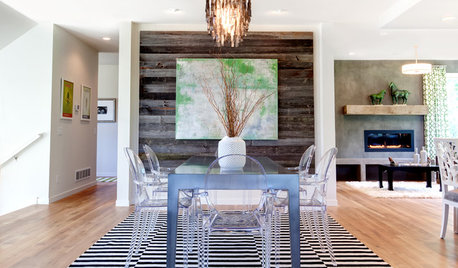
GREAT HOME PROJECTSWhat to Know About Adding a Reclaimed-Wood Wall
Here’s advice on where to put it, how to find and select wood, what it might cost and how to get it done
Full Story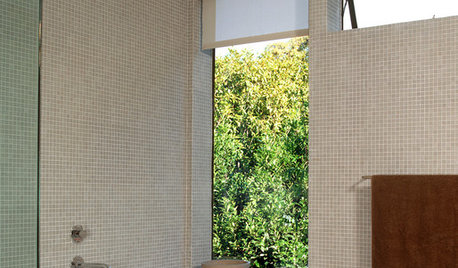
BATHROOM DESIGNFloor-to-Ceiling Tile Takes Bathrooms Above and Beyond
Generous tile in a bathroom can bounce light, give the illusion of more space and provide a cohesive look
Full Story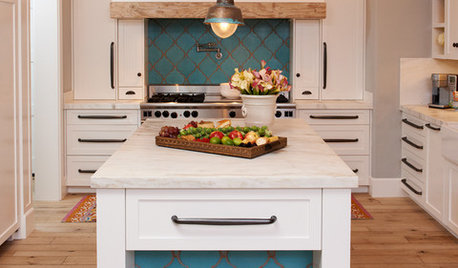
KITCHEN DESIGN10 Gorgeous Backsplash Alternatives to Subway Tile
Artistic installations, back-painted glass and pivoting windows prove there are backsplash possibilities beyond the platform
Full Story
LIFEThe Top 5 Ways to Save Water at Home
Get on the fast track to preserving a valuable resource and saving money too with these smart, effective strategies
Full Story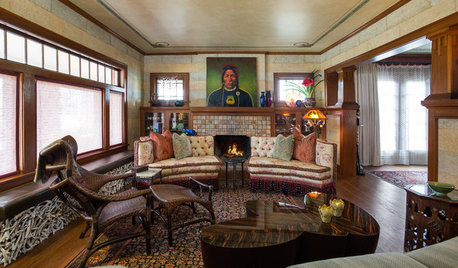
LIVING ROOMSRoom of the Day: An Artisan Renaissance
An Arts and Crafts living room in Oklahoma City gets restored to past glory
Full Story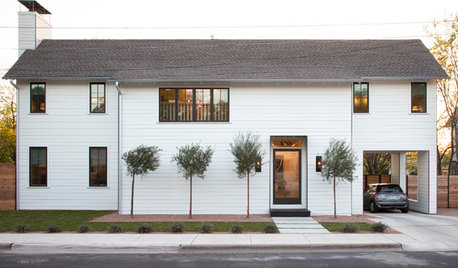
HOUZZ TOURSHouzz Tour: A Modern Take on a Traditional Texas Farmhouse
Contemporary details update the classic form in this Austin home with a kitchen designed for a professional baker
Full Story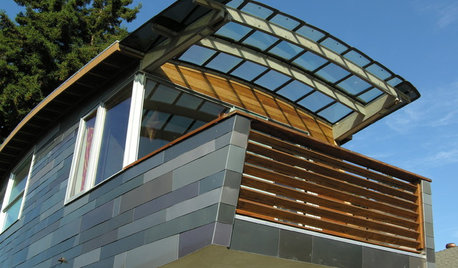
HOME INNOVATIONSHouzz Tour: Meet a Home Made With Minivan Parts
Sawn-off car roofs for the siding, windows popped out of van doors ... this California home is as resourceful as it is beautiful
Full Story
REMODELING GUIDESWhy Marble Might Be Wrong for Your Bathroom
You love its beauty and instant high-quality appeal, but bathroom marble has its drawbacks. Here's what to know before you buy
Full Story
REMODELING GUIDES10 Tips for Renovating Your Basement
A professional contractor shares her tips on what to consider before you commit to a basement remodel
Full Story
rhizo_1 (North AL) zone 7
fortyonenorth
Related Professionals
Frederick Landscape Architects & Landscape Designers · Aurora Landscape Architects & Landscape Designers · Elmira Landscape Architects & Landscape Designers · New York City Landscape Architects & Landscape Designers · Providence Landscape Architects & Landscape Designers · Phoenix Landscape Architects & Landscape Designers · Los Angeles Landscape Architects & Landscape Designers · Wenatchee Landscape Architects & Landscape Designers · Cornwall Landscape Architects & Landscape Designers · Wichita Landscape Contractors · Buffalo Landscape Contractors · Sioux Falls Landscape Contractors · Baltimore Stone, Pavers & Concrete · New Bedford Stone, Pavers & Concrete · Spanish Fork Stone, Pavers & ConcretepnbrownOriginal Author
gonebananas_gw
gonebananas_gw
pnbrownOriginal Author
strawchicago z5
prairiechuck1
TheMasterGardener1
jolj
gonebananas_gw