Software
Houzz Logo Print
ken_n_ga_mts

??? about Rugosa's

13 years ago

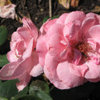
I'm really new to Rugosa's. I got Rosa Rugosa a couple of yrs ago and planted right into my Ga. red clay. It has grown quite well and blooms like crazy in the spring and early summer but very little in the fall. The only food they get is a monthly handfull of Milorganite and fish emulsion in April and Sept. I'm planning on getting Rosa Rugosa Alba this spring. Should I prepare it's new area with anything. Are Rugosa's acid loving plants or should I go to the other extreme? I've been growing roses for over 35 yrs and Rugosa's are whole new ball game for me. I want my Rugosa's to be the best they can be, sssoooo, I could use a little (?) help please.

Comments (7)

  • 13 years ago

    Whether they prefer acid soil or not, I can tell you, here in the arid, desert south west with highly alkaline soil, highly alkaline water, not much winter to speak of, extreme heat and blazing, laser beam sun, rugosas of many types are chronically chlorotic. Most grow backwards, languishing until they finally just melt. Budded specimen seem to last longer and don't experience the chlorosis issues as terribly.

    If yours aren't showing chlorosis, I wouldn't worry about whether the soil is right or not. The way rugosa's flowering has been explained to me is that it is not really "repeat flowering." It has one, very long seasonal bloom which is why so many rugosa hybrids are once flowering. If the flowering doesn't extend far enough into the latter end of your season, I would more look to perhaps the feeding, what you're feeding, and climate differences.

    Milorganite is rated as 5-2-0. Fish emulsion is 5-2-2. Perhaps you're providing them with more nitrogen than they require? Where they are native, they flower their season with nothing other than what Nature provides. If your soil is fairly fertile, they may not require anything else. Just a thought. Kim

  • 13 years ago

    Rugosas come from the northern coasts of China & Japan. So, they do like winter. They can tolerate salt, are happy in sandy and rocky soil. They do fine in the red clay zone in terms of nutrients, but the Big negative is wet clay. They need very good drainage (again, they come from beach soils). Half my rugosas have root rot this year from all the rain we've had.

    As long as you continue plucking off the hips, they will continue to bloom, tho they can quit in high heat, but pick up again in the fall when it cools down. If you leave the hips on, there will be some dieback. I leave only the last fall hips on the bush. The hips, big cherry tomato affairs are one the most potent sources of vitamin C. They have little flavor. I throw them in the stew pot or grind them up in salsa.

    The species sucker like crazy, so give them plenty of room to spread.

    Rugosas do not like to be sprayed with anything. They do best with benign neglect.

  • 13 years ago

    If you want repeat bloom and have only acidic red clay, get them from Canada on multiflora rootstock. That's worked well for me and my red clay.

    A 'neighbor' about five miles away has grown them much better than I, but she is on a major creek with sandy creek fill and hers are own root and last time I visited were approaching ten feet tall with no care (but her soil is wonderful in and of itself).

  • 13 years ago

    They do prefer acid soil and otherwise may have trouble getting enough iron.

  • 13 years ago

    Ken, I ordered Therese Bugnet on multiflora bareroot from Palatine this spring and she has done wonderfully with nothing! I have amended clay.
    Catsrose has made some suggestions on another thread re: rugosas.
    I agree with you, they are fine roses!
    Susan

  • 13 years ago

    Thanks all. This explains a lot for me. The bush itself looks great. Everyone who visits in the spring just loves it. The Sr. Editor for the local new paper would like me to root up a couple of bushs for him next spring. I gave it a mild prunning back in the middle of August and put down milorganite and fish. Lots of new growth with beautiful foliage but only one cane with any blooms (big, thick cane had a spray of 7 blooms with fantastic foliage under it. It was one of those "WOW!!"). In the spring I use fresh Oak leafs as mulch. A good source of acid. By fall all that acid is gone. I can get fresh pine needles in August, so I'll put them down for the fall and just use fish. When I plant Rosa Rugosa Alba I'll amend the soil a little with a bag of sand and see how it does. Thanks again folks :)

  • 13 years ago

    Pine mulch won't change the pH significantly. But 1/2 cup sulfur per square yard will drop the pH about 1 unit. It takes a long time to work, about a season.

    Also, adding sand to clay soil doesn't work. It may even make drainage worse. Raising the bed slightly will improve drainage.

Sponsored
Wannemacher Interiors
Average rating: 5 out of 5 stars26 Reviews
Customized Award-Winning Interior Design Solutions in Franklin Cnty OH