

Selection and 'Antique' plants
18 years ago
Sort by:Oldest
Comment (1)
Related Stories
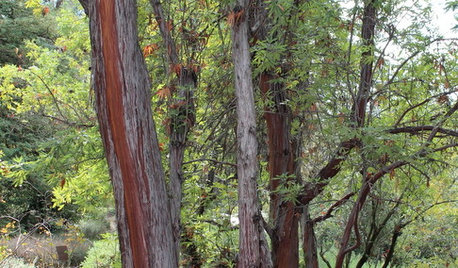
LANDSCAPE DESIGNGreat Design Plant: Catalina Ironwood, a Tree for Antiquity
Peeling bark gives this tree an antique look, but its low water needs are perfect for drought-prone areas today
Full Story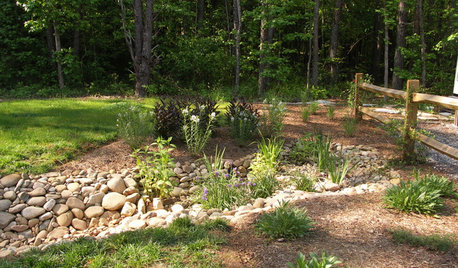
LANDSCAPE DESIGN5 Steps to Selecting the Right Plants for a Rain Garden
A simplified look at selecting plants for a rain garden
Full Story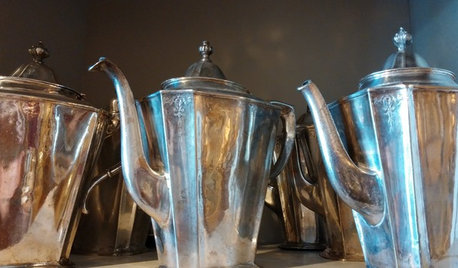
TRADITIONAL STYLEDecorating With Antiques: Silver’s Legacy
Learn how to tell sterling from plate, ways to display pieces and why silver is so darn special to begin with
Full Story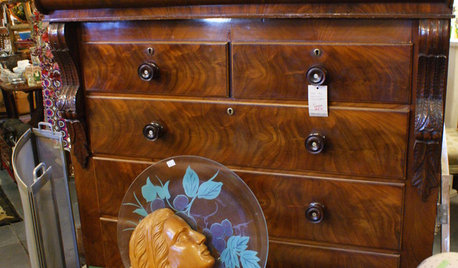
FURNITUREHow to Find Great Antiques Near You
Experience the thrill of the hunt with these tips for finding the best sources of antiques in your area
Full Story
FURNITURESmart Shopper: How to Judge Antique Furniture Quality
Pick the treasures from the trash without expert experience by learning how to evaluate antiques and what questions to ask
Full Story
DECORATING GUIDESAntiques Shopping for the Fun of It
Play down a piece’s pedigree and play up what stirs your heart to make the hunt for antiques a real thrill
Full Story
TRADITIONAL STYLEDecorating With Antiques: The Magic of Ceramics
Bring charm and beauty to a room with collected ceramics — used as intended or entirely reinvented
Full Story
FURNITUREAntiques Shopping? Let Love Guide Your Search
If discovering aged treasures is your passion, you’re not alone. Find a kindred spirit and his buying tips here
Full Story
VINTAGE STYLEAntique Sewing Machines: Tailor Made for Nostalgic Decor
In full-on vintage rooms or contrasting modern looks, old sewing machines and tables are stirring up the past in a most stylish way
Full Story
PRODUCT PICKSGuest Picks: Get Antiques-Fair Style Right From Home
Spare yourself the crowds and heat of Antique Weekend in Texas by picking up these similar-style finds online
Full Story
melissa_thefarm
Related Professionals
Tuscaloosa Landscape Architects & Landscape Designers · Pensacola Landscape Architects & Landscape Designers · Albany Landscape Architects & Landscape Designers · Houma Landscape Architects & Landscape Designers · Nashville Landscape Architects & Landscape Designers · Eau Claire Landscape Architects & Landscape Designers · Colorado Springs Landscape Architects & Landscape Designers · Magnolia Landscape Contractors · Worthington Landscape Contractors · Florence Home Builders · Salisbury Home Builders · New Haven Home Builders · Burlington Home Builders · Pueblo Home Builders · Yakima Home Builders