

How to evaluate a damaged root
18 years ago
Sort by:Oldest
Comments (3)
Related Stories

GARDENING GUIDESGot Frost-Damaged Plants? How It Happens, and When and How to Prune
Don’t rush to cut back brown, brittle growth after a freeze
Full Story
BATHROOM DESIGNWater Damage Spawns a Space-Saving Bathroom Remodel
A game of inches saved this small New York City bathroom from becoming too cramped and limited
Full Story
HOUZZ TOURSMy Houzz: Twister Damage Sparks a Whole Ranch Remodel
A Dallas couple transforms their traditional rambler into a bright, family-centered haven after a tornado
Full Story
RUGSPrevent Slips and Floor Damage With the Right Rug Pad
Here's what to know about sizes, materials, costs and maintenance of this important companion to your area rugs
Full Story
GARDENING GUIDESThe Beauty of Bare-Root Plants
Plant dormant trees and shrubs in fall using the easy, affordable bare-root method and enjoy beautiful results in spring
Full Story
ARCHITECTURERoots of Style: See What Defines a Craftsman Home
Charming features and intimate proportions have made Craftsman houses an American favorite. See their common details and variations
Full Story
ARCHITECTURERoots of Style: Meet Your Traditional Home's Classical Ancestors
Traditional architecture's genes began in ancient Greece and Rome — discover your home's style forefathers here
Full Story
HOUZZ TOURSMy Houzz: Highlighting Farmhouse Roots in a Seattle Suburb
New and old mix with DIY touches in a remodeled 1928 home for a family of 6
Full Story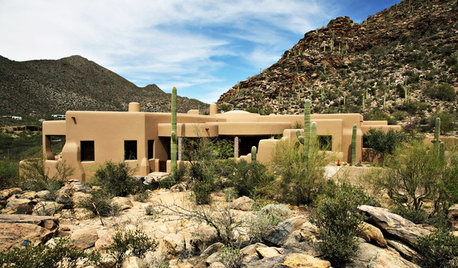
TRADITIONAL ARCHITECTURERoots of Style: Pueblo Revival Architecture Welcomes Modern Life
Centuries-old details of adobe construction still appeal in the desert Southwest, adapted to today's tastes
Full Story
FARMHOUSESHouzz Tour: German Tradition Deep in the Heart of Texas
Rooted in architecture from the 1800s, this award-winning home mixes history with the vernacular of today
Full Story



wisconsitom
Dibbit
Related Professionals
Albany Landscape Architects & Landscape Designers · Corpus Christi Landscape Architects & Landscape Designers · Longview Landscape Architects & Landscape Designers · Montrose Landscape Architects & Landscape Designers · Reno Landscape Architects & Landscape Designers · Saint George Landscape Architects & Landscape Designers · Florence Landscape Contractors · West Plains Landscape Contractors · McComb Landscape Contractors · Charlotte Landscape Contractors · Bismarck Landscape Contractors · Oxford Home Additions · North Adams Home Additions · Buffalo Home Additions · Kennewick Home Additionsalabamatreehugger 8b SW Alabama