Software
Houzz Logo Print
bill_mn_z3b

Bicolor Oak, could this be 'Oak Wilt'?

last month

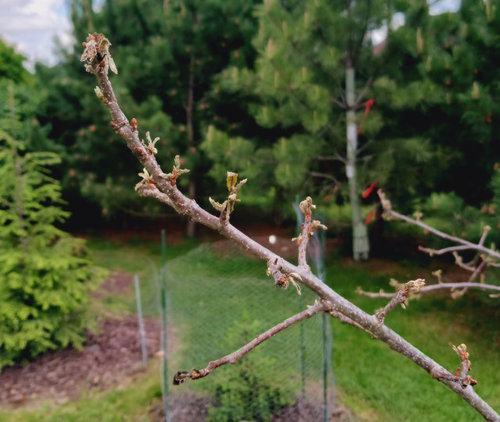
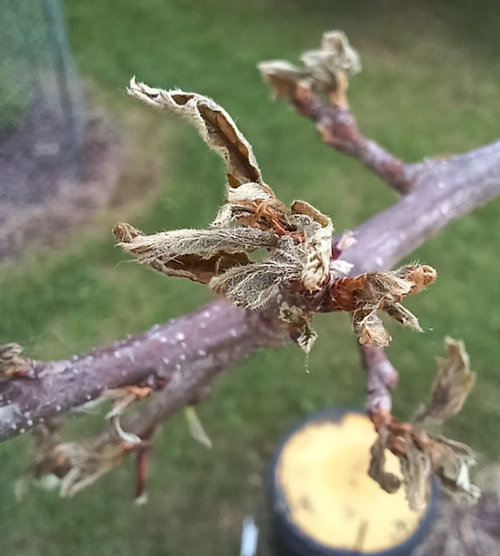
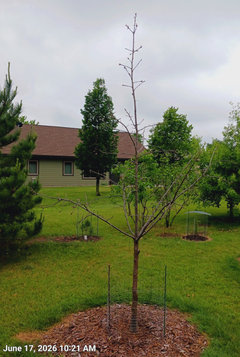
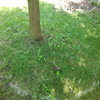
Earlier this spring, the buds breaking on this tree looked pretty green. After a week, the very small leaves didn't look good, and I thought that the buds had late frost damage. But it did look like some of the buds were expanding, though not like they should be with all the warm weather.


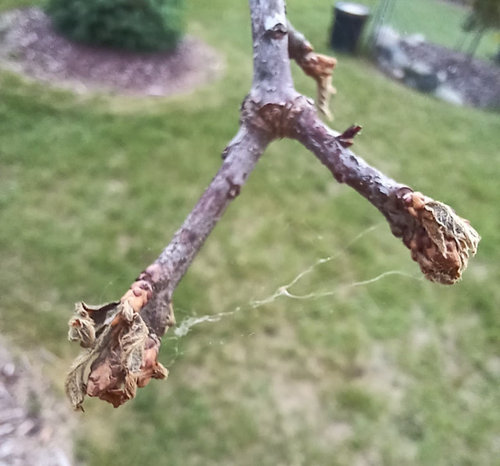
Lately, those leaves have been turning brown and shriveling up.

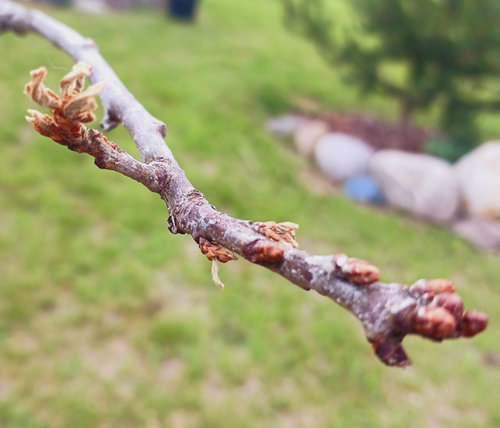
There are what looked like dormant buds but they've not advanced at all the last week.


The entire tree appears the same overall.

Any ideas?

Comments (24)

  • last month

    It could be, but those trees in the White Oak group have greater resistance. How old and big is this tree?

    BillMN-z4a thanked maackia
  • last month
    last modified: last month

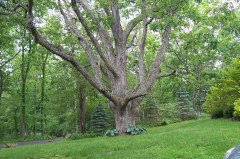
    If it's oak wilt, it won't last long. To me, looks like frost damage, as my bicolor had, until leaves emerged from the secondary (backup) buds. One of my brother's white oaks died from oak wilt -- shown here while it was healthy.


    BillMN-z4a thanked bengz6westmd
  • last month

    Mine is 6 years old and about 12 ft. tall and I'm outside of the Oak wilt area designated by the MN-DNR. But the dormant buds look so dry, and the earlier 'green push' has ceased.

    I'll have to wait and see but even with sufficient rain and supplemental watering it appears dead.

  • last month

    Bill, I STILL have a few trees barely emerging from the freezes, particularly dawn redwood, osage orange and ginkgo. So don't give up yet. One year my shumard x something oak, which has always been vulnerable to freezes, didn't come back out until July, and then poorly.

    BillMN-z4a thanked bengz6westmd
  • last month

    IIRC, this is the tree you grew from an acorn of the Ground Zero tree? I'm sure it has special meaning to you. Keep it watered and give it time to try and recover. If it were me I'd leave it be for a good long while.

    BillMN-z4a thanked indianagardengirl
  • last month
    last modified: last month

    Thanks all!

    I was almost ready to yank it out and replace it with my extra Serbian spruce. It would look good there, but DW vetoed the idea. 🤣

    The tree acted like it was putting out new sprouts a week or two after the frost but suddenly started to wilt. All those little brown leaves were green a week or so ago and now they've turned brown too. And we've had perfect growing weather.

    But I can't transplant at this time anyways, so I can wait longer to see what it does.

    Everything else is all leafed out.

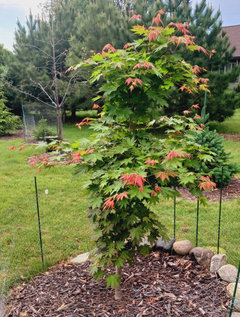
    Here's a sneak preview of what's to come later this season.

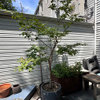
    6-5-2026: Acer Pseudosieboldianum: (Oak in question is in the left background. Picea meyeri, right).

    Apparently, no winter damage on this one. 6-12" of new growth.


    :-)

  • last month

    Hope the oak makes it

    BillMN-z4a thanked L Clark (zone 4 WY)
  • last month

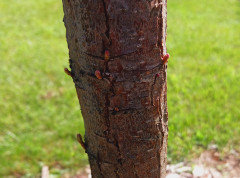
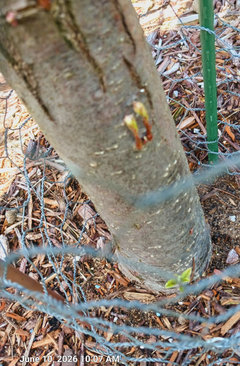
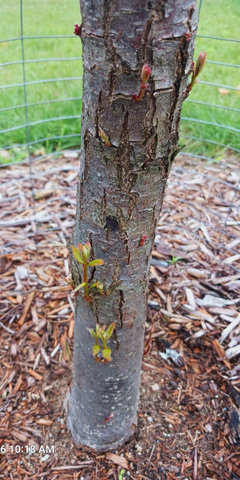
    I noticed some buds growing on the lower two thirds of the trunk only.


  • last month

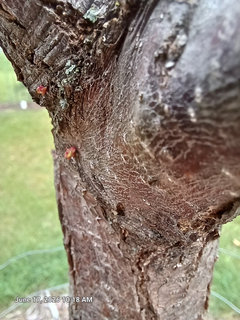
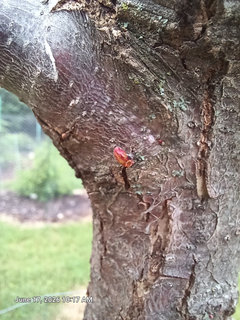
    Update: 6-17-2026:

    I think everything above the bottom of the low branches is dead.


    The highest new sprout is just below the lower branches and of course they're the smallest of them.

    Something I rarely do, a 'Scratch Test' on those lower branches appears they're dead.


    There's plenty of new shoots below these last two photos. So I suppose one option would be to cut the tree off just above those highest shoots and start those into a new main leader.

    I'm sure there's enough energy in those established roots that a new leader would grow pretty fast.


    But I'll have time to decide and give it more time to see what happens.

    The higher on the trunk the new leader starts from, the smaller the wound the sooner it would begin to look like a tree again.

    Replacement would be the other option.


  • 29 days ago
    last modified: 29 days ago
    It's not promising. However, I posted pics of my bur oak devastated by the late freezes sprouting out of the trunk (and so did my SW oak), but now the second-buds have sprouted on both and the trees are fully leafed-out, tho no flowers or acorns (I'm finding out freeze-damaged trees eventually leaf out, but no flowers or fruit). Don't THINK it's oak wilt tho -- symptoms look like freeze damage.

    BillMN-z4a thanked bengz6westmd
  • 29 days ago
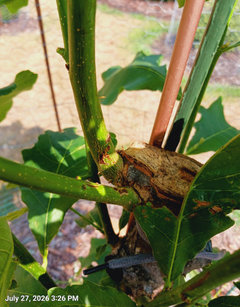
    Yup, i've been noticing other evidence of that late freeze we experienced, doing more damage than I originally thought. Several of my other 'Frost Hardy' specimens have shown damage. It must've hit right when the juices were flowing here and with colder temps than registered.


    The thing about an oak tree, its very strong, long lived, and 50 years from now, any evidence of damage will most likely be inside the tree by then.

    It's just if I want to look at it that long, until it recovers.


    I'll wait until August before doing anything drastic.

  • 17 days ago
    Opinions from some of you tree scientists appreciated. 😉


    There are many side buds sprouting out of the main trunks of this Quercus bicolor.

    Q: Would it be better to prune off the dead branches and upper trunk?

    My thoughts are, that those dead parts of the tree might still be draining energy from the vascular system, even though they're not completely dead.


    Or would it not matter, to just leave the dead branches on for a while.

    I'm thinking the new growth would receive more sun if out of the shadows of the dead stuff.

    The sprouts on the right, that are level with the lower branches, are the highest sprouts on the tree and I'm considering letting those be the new main leader.


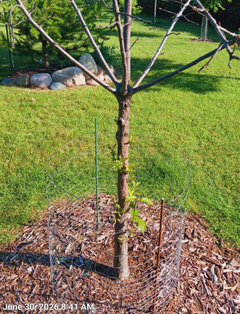
    Entire tree (East side).


    SSW side, just to show another view.


    So, what's the verdict?

  • 17 days ago
    It's still alive, so it's up to you. If that were mine, I wouldn't give up yet. Perhaps it's a more southern-sourced Q bicolor than can take your winters?

    BillMN-z4a thanked bengz6westmd
  • 17 days ago

    I would also leave it be for a while. Are the branches dry enough to snap off by hand? If no, then I think it's trying to survive.

    BillMN-z4a thanked indianagardengirl
  • 17 days ago
    ' Perhaps it's a more southern-sourced Q bicolor than can take your winters? '


    I think we had a weird occurrence weather-wise this spring. I was finding cold damage on things that shouldn't have frozen, and I took that as an indication of either bad timing on the freeze or colder than indicated for my particular location. idk.


    Either way and being the tree endured previous winters of comparable conditions, it's worth giving it one more chance. It has a strong root system so I'm expecting rapid growth this summer.


    ' I would also leave it be for a while. Are the branches dry enough to snap off by hand? If no, then I think it's trying to survive. '


    I just wonder, being it's a smaller tree, if it will take more energy to try and restore the damaged branches, then if I just let the new growth grow and by end of summer, have new growth that is 3-4ft. tall.

    I know that's asking a lot, but I'm not really educated on these types of things and am looking for the most efficient route to take (I know it might not be that much difference)


    Thanks all for the input!


  • 17 days ago
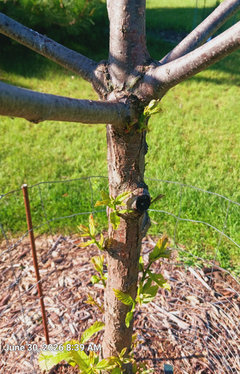
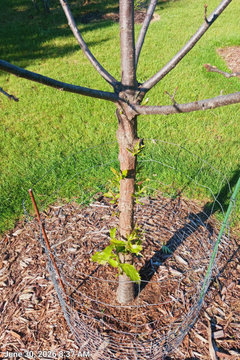
    6-30-2026:


    After further investigation;


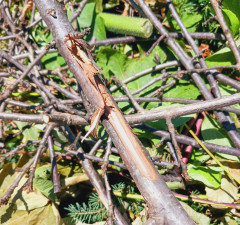
    This is the 'Jack Knife' scratch test on the upper trunk and branches.

    Completely brown and drying wood beneath.

    Didn't snap when I bent it but no visible moisture in the bark.

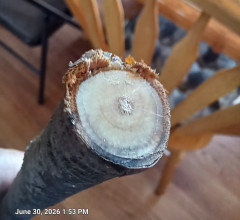
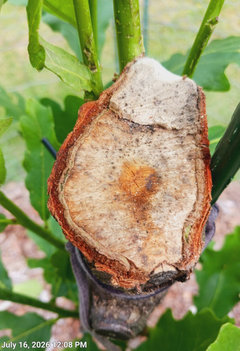
    This is the upper main trunk cross section.

    I'm not sure it this shows a pathogen but drying wood with black markings (my saws aren't surgically clean so could be rust).


    So, I think I wondered too long and with all summer for regrowth ahead, why not start now?

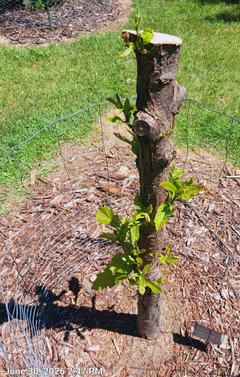
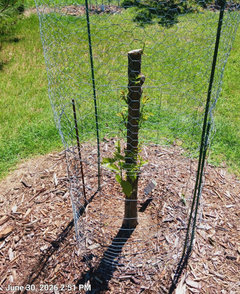
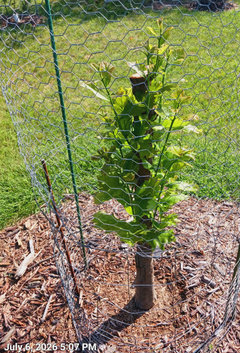
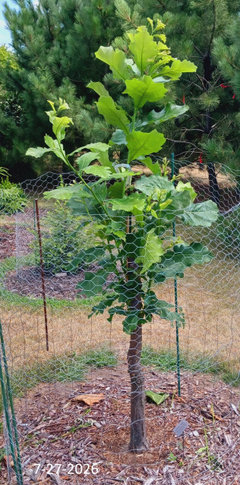
    Here it is, cut off just above the bottom of the lowest branches.

    36" now from the top of the trunk to the ground.

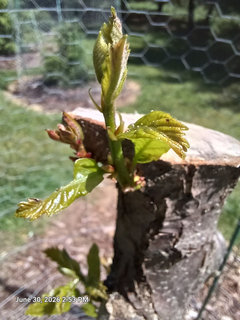
    The top of the trunk, where I cut is 1-3/4" diameter, counting thick layer of bark.


    There are two sprouts at the top, 1/2 inch apart, for now, one is back up. I think it grew 1/2" during the time I was cutting off the trunk. 82d and Sunny and to us, hot.

    Should be full, direct sun, all day on it now. It was on the shady, north side of the trunk.


    4ft cage of chicken wire to prevent catastrophes. 😉

    Lots of leaves expanding on the lower trunk for photosynthesis. We'll let them be until there's more growth on the top end.

    It's like 'DejaVu' like I've done this sometime before in the past. 🤔

    Maybe time to give it its final fertilizer application for the summer.

  • 11 days ago

    Looks promising. 😌


  • 9 days ago

    100% not oak wilt, Bill. What you are looking at is Mother Nature reminding you that you have planted an oak tree north of its native range. And winter really flexed its muscles this year, at least at some key moments. https://www.srs.fs.usda.gov/pubs/misc/ag_654/volume_2/quercus/bicolor.htm


    I have numerous dead swamp white oaks and many more with stunted leaves and little to no growth. Which normally suggests root damage in my experience. Further evidence, I dug up a handful of the dead trees and found that the thin root bark easily flakes away and falls off of the rest of the root. These trees most certainly were alive last fall and growing vigorously the previous summer.


    I just can't pinpoint the exact event or time frame that pushed these trees to their hardiness limit. What we did have in my area was very limited snow cover all winter with strong winter winds blowing bald spots throughout my fields. We likely hit 25 below on back-to-back nights in January with this limited snow cover. And we also went below zero in mid-March and had that 65 mph gusty, all-night windstorm in freezing temps in March. Were some trees already waking up at that point? Maybe.


    I'm not an outlier either. I just found out that two larger, reputable nurseries here in MN also have a very big number of dead and stunted swamp white oaks. And both of those places are further south of where I'm at.

    BillMN-z4a thanked mntreegrower
  • 9 days ago
    last modified: 9 days ago

    Thanks mntreegrower!

    I was leaning towards cold being the factor also.

    Quercus bicolor is rated zone 4 here: https://www.mda.state.mn.us/cold-hardiness-list

    And no doubt I'm on the fringe of zone 4a. but last winter was mild with plenty of snow cover, all season. And our coldest month was January with -27 for a few days in a row early but generally a zone 4 winter.

    It could be it came back a little on the weak side last season, with minimal growth but plenty of acorns (a sign of trying to survive?).

    We did have lows for 3 or 4 days in the low 20's the last week of April with 21 the lowest, and that was a week after several days in the 70's and 80's, then a repeat a few days later.

    I'm thinking that's the events that did it in.

    Also, the bicolor oaks at the Freedom tower, where I acquired the acorn, is said to have had 3 or 4 different seed collection sites, one was Virginia, so maybe mine was a southern collected source IDK.

    Being it is special to DW; I'm inclined to try one more time with the understanding that if it freezes again next year, I get to remove it and replace with the tree of my choice. 😉

    Thanks Again!

    P.S. The warm weather and then the freezes, would explain the half open, frozen buds on several species of Spruce trees I have here. 😒

    P.S.2

    And the reason the T. plicata and C. nootkatensis bit the dust also. Too hot, too early, then too cold.

    Another reason other than not cold hardy for things to die.🤔

  • 2 days ago
    last modified: 2 days ago

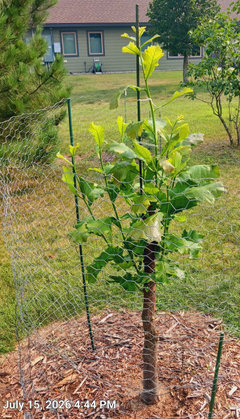
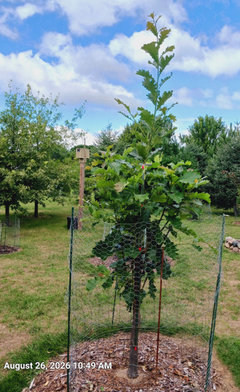
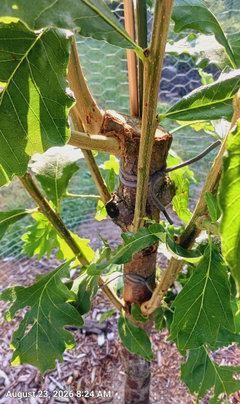
    Just an update:

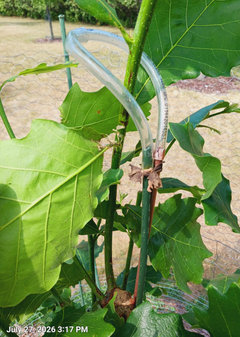
    The new main leader grew so much I thought it could break off, in a TS wind.

    I've had that happen before to new growth, and this one is really close to the top edge of the cut. I just go by my premonitions.

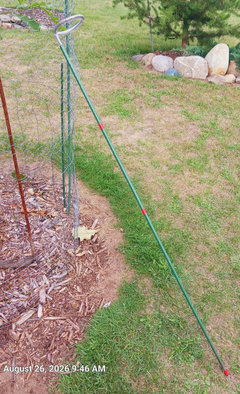
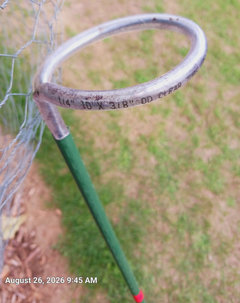
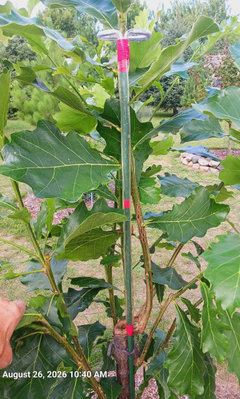
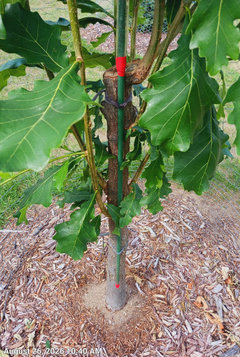
    The fix for now is a garden stake tied to the main trunk. It's pretty solid.

    I'll see how the new leader reacts and adjust accordingly.


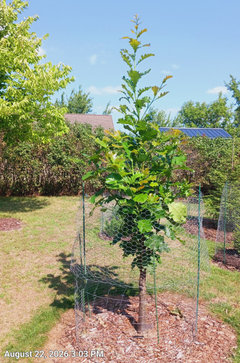
    I removed any branch that was lower than ~20" on the trunk.

    There are so many branches, and they all continue to send out subbranches as they grow taller, so I think what's left will soon be quite a canopy, with giant leaves.

  • yesterday
    last modified: 21 hours ago

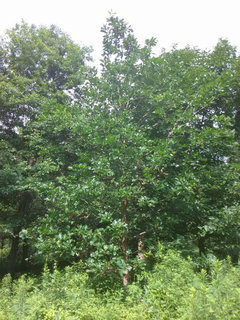
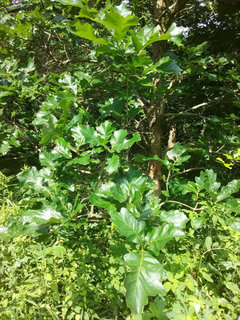
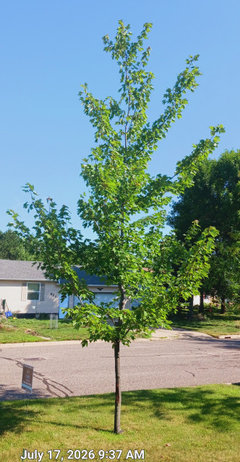
    Keeping w/the Q bicolor theme, here's mine described as a "Schuettes" oak by OIKOStreecrops and now about 19 yrs old. "Schuettes" is SW oak x burr oak, however, I see no influence of burr oak on it. For many yrs it always came out w/deformed leaves, tho didn't seem to hurt it much. Then, 4-5 yrs ago, that problem went away and it is growing quite well. Leaves are very shiny as seen and bark has the characteristic flaking of SW oaks. Tree also has a very distinctive, "rough/ancient" look in the winter.


    PS Weeds in front is the septic field which I leave unmowed.

    BillMN-z4a thanked bengz6westmd
  • yesterday

    Nice oak beng.


    My Q. macrocarpa (bur oak) has always been slow, but it is growing in some of the poorest, sandiest soil (in the world) in that area. The lilac hedge also sucks moisture, nutrients and everything else out of the ground for 8 ft. both sides of the hedge too.


    And every year since planted it, the leaves would come out fine but then show symptoms of what looked a little like 'Oak Leaf Tatters'.

    I never could figure it out and the tree would finish out fine, so I wasn't too concerned about it.


    Now this year, I don't know if it was the 8 lbs. of 10-10-10 fertilizer I spread liberally around the base and root zone, beginning of April, and then flood irrigated around the base, at least once a week, then a month later (May), I spread another good layer of 30-0-4 around it again and kept up my flood irrigation technique (got some good rains too), well yeah, now that I think about it, that probably was what helped it. 🤣


    Anyways, it appeared have a little of the leaf tatter early on and I was a little puzzled why it only put out around a foot or so of new growth, which was better than it ever did, but then to look at it now, it's the healthiest I've ever seen and it's in the process of growing a second flush as we speak, to what looks like another foot or more.

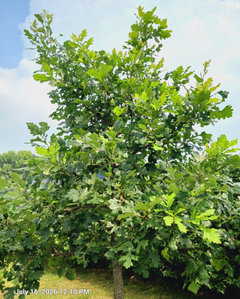
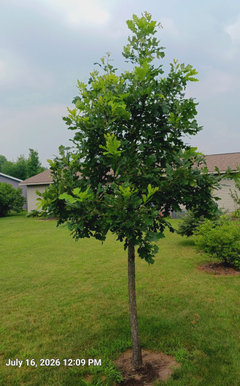
    View of the crown: Much denser than in earlier seasons.


    Whole tree: There's two leaders going up but it's an oak so no big deal.


    >>>>>>>>>>>>>>

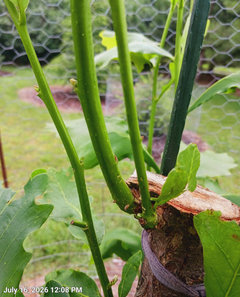
    Quercus bicolor: The two topmost leaders, switched dominant roles. The right most was first to sprout and the larger of the two but in the last couple of weeks, the left most leader took over and is 24" long while the one on the right is only 13" and thinner.


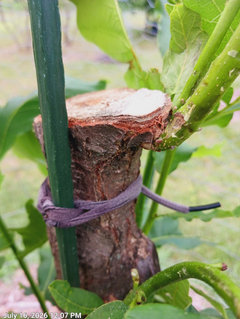
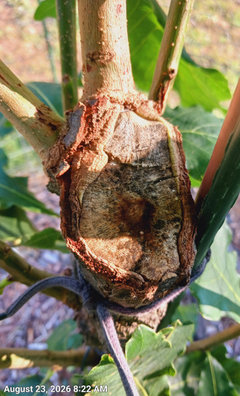
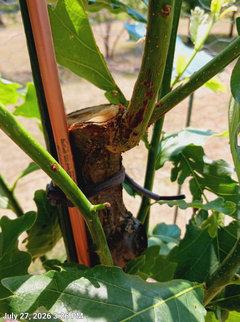
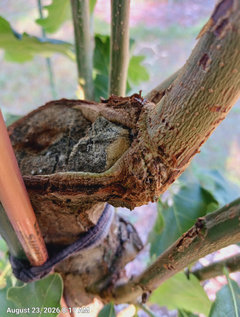
    You can see from the opposite side, the new main leader is precariously positioned on the leftover of the bottom of a branch that was there after I sawed partially though it, when I cut the tree off. Hence the concern of possible breakage.


    If you look closely, you can see the living bark beginning to encapsulate the open wound (both in the above picture and the one below.


  • 15 hours ago

    ' foofy red maples', drought intolerant, sun scald prone, the list goes on. 😉


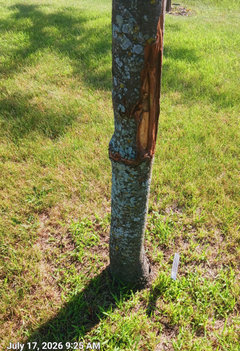
    I have one red maple left, in the front yard, and even with sun scald tubes in place all winter, into spring, that tree still managed to acquire a sizable 'Sun Scald' on the SW side of the trunk. I'm attributing that to the 80d temps we had mid April, then a spell of much below freezing several days later.


    Acer Rubrum: woods dug circa 2016.

    Encapsulating nicely (yes, It was fertilized and watered early spring, followed by deep soaking rains and subsequent waterings).


    Still on the spindly side growing on poor sandy soil.

    Probably nearing 20ft. tall.


Sponsored
Onestop Kitchen Bath
Average rating: 5 out of 5 stars2 Reviews
Maryland & Virginia's One Stop Kitchen & Bath Remodeling Service