

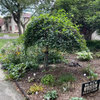
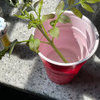
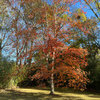
Mystery Oak
19 years ago
Sort by:Oldest
Comments (11)
Related Stories

LANDSCAPE DESIGNGet the Mystery of a Gothic Garden for Yourself
Create an enchanting and tranquil scene with the stonework and wayward plantings of Gothic garden design
Full Story
COLORUnravel the Mystery of Black
Venture into the shadowy world of this controversial hue; learning black's history and uses might just put it in a different light
Full Story
HOUZZ TOURSMy Houzz: Stately Southern Charm in a Federalist-Style Home
Moss-covered oak trees, European antiques and contemporary style set off this Louisiana home
Full Story
LANDSCAPE DESIGNFind Yourself in an Epic Garden in the Shade
Feeling hot and tired gardening in the sun? The world of shade gardening beckons you to its cool mystery
Full Story
LANDSCAPE DESIGNMoss: Nature’s Carpet for the Garden
Learn how to grow and use this ancient and mysterious natural wonder for delightful texture in the landscape
Full Story
HOUZZ TOURSHouzz Tour: The Case of the Disappearing Clutter in Toronto
With two young children, it's no mystery why this minimalist-leaning Canadian couple renovated with plenty of sleek storage
Full Story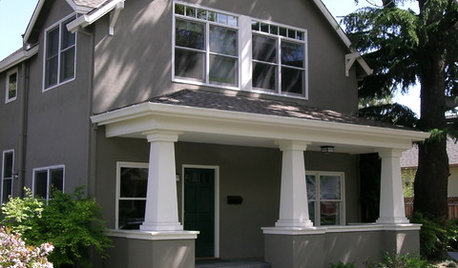
DESIGN DICTIONARYElephant Leg Column
Weigh this stout architectural element if you're going for a Craftsman-style exterior or interior
Full Story
GARDENING GUIDES5 Invaluable Life Lessons From the Garden
The garden is both teacher and healer. Don't be afraid — dig in and reap the benefits
Full Story
LIFEYou Said It: ‘Put It Back’ If It Won’t Help Your House, and More Wisdom
Highlights from the week include stopping clutter from getting past the door, fall planting ideas and a grandfather’s gift of love
Full Story
COLORNature’s Color Wisdom: Lessons on White From the Great Outdoors
Blizzard fierce or butter soft, white can highlight shapes, unify a room and perform miracles on the cheap
Full Story
treeguy123
quercus_macrocarpa
Related Professionals
Chattanooga Landscape Architects & Landscape Designers · Sugar Land Landscape Architects & Landscape Designers · Middletown Landscape Architects & Landscape Designers · Wheeling Landscape Architects & Landscape Designers · Concord Landscape Architects & Landscape Designers · Pensacola Landscape Contractors · Port Saint Lucie Landscape Contractors · Gaithersburg Landscape Contractors · Modesto Landscape Contractors · Portland Landscape Contractors · Toronto Landscape Contractors · Birmingham Home Additions · Galveston Home Additions · Grand Rapids Home Additions · Stockton Home AdditionsMissSherryOriginal Author
alabamatreehugger 8b SW Alabama
kman04
MissSherryOriginal Author
MissSherryOriginal Author
kman04
vancleaveterry
MissSherryOriginal Author
treeguy123